A new federal land strategy puts possible sales to states, tribes and local governments on the table, but names no locations or scale as lawmakers from both parties object.
The Independent reported Wednesday that a five-year strategy from the U.S. Department of the Interior proposes selling public lands to state, tribal and local governments as part of an effort to reduce federal holdings. The document identifies no properties for sale and gives no acreage target, the outlet reported.
Interior said the sales would let it focus resources on its primary responsibilities and nationally significant federal lands. The Independent reported that the strategy separately recommends targeted land exchanges and transfers intended to support domestic energy production. Interior officials said purchasers could receive part of the sale proceeds for conservation projects in other areas.
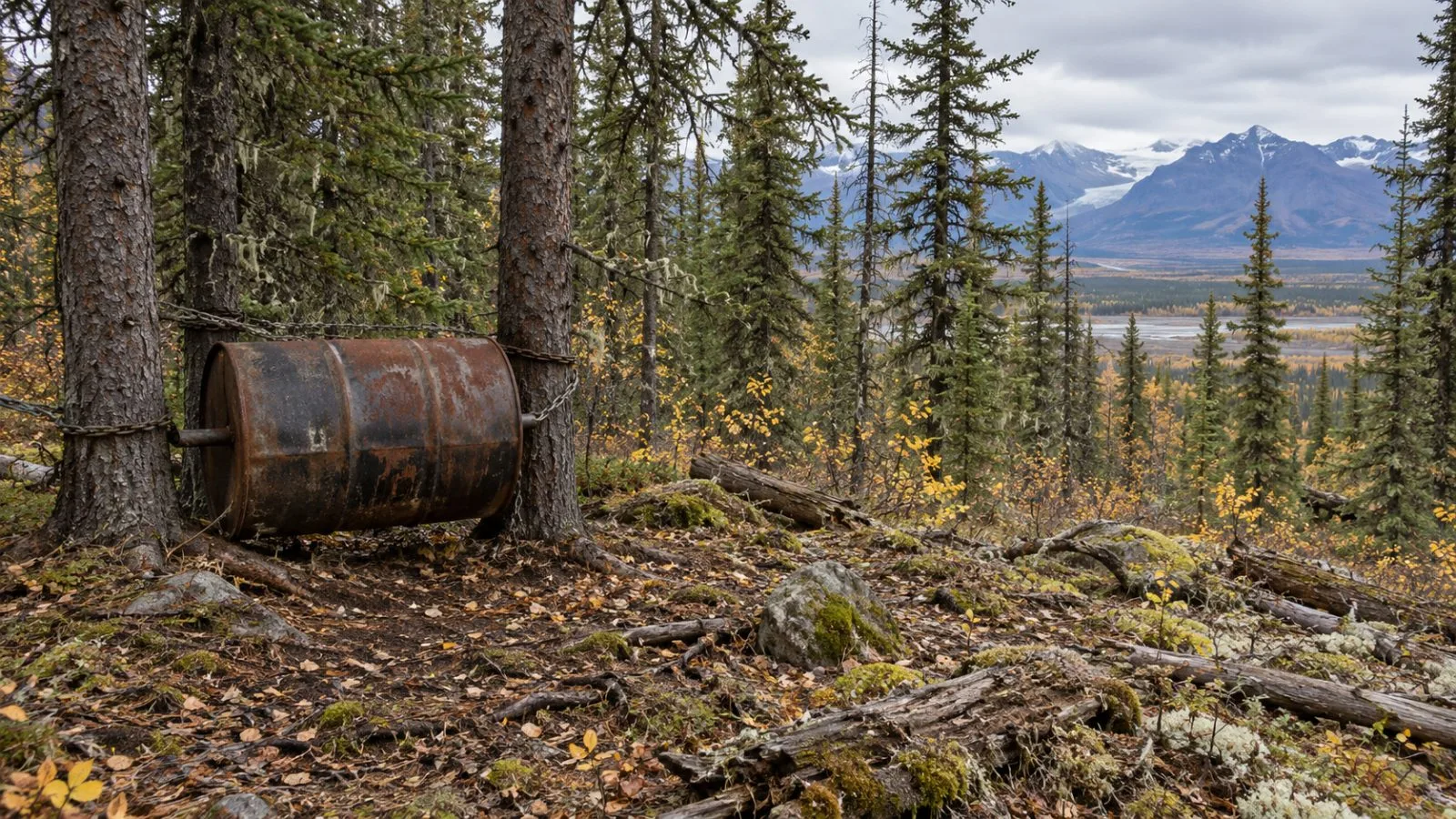
The dispute also concerns management of public-land uses beyond ownership. Interior oversees activities including grazing, mining, drilling and recreation, while state and local leaders have sought more direct control over some of those activities, The Independent reported.
Rep. Ryan Zinke, a Montana Republican and former Interior secretary, opposes sales and transfers, according to a statement from his office. The statement said he intends to vote against related measures if any come before Congress before he leaves at the end of his term. Sen. Martin Heinrich, a New Mexico Democrat and the ranking member of the Senate Energy and Natural Resources Committee, also pledged to resist efforts to sell or privatize federal land. “Public lands belong in public hands,” Heinrich said.
The current debate follows attempts in 2025 by Western politicians to shift large tracts in Utah and Nevada to states or other stakeholders. They argued the changes could raise money and relieve pressure from urban growth, The Independent reported. Sen. Mike Lee, a Utah Republican, separately proposed transferring more than two million acres. The outlet reported that bipartisan opposition ultimately stopped the proposals.
The plan outlines Interior’s priorities through 2030 and would not constrain a later presidential administration, The Independent reported.