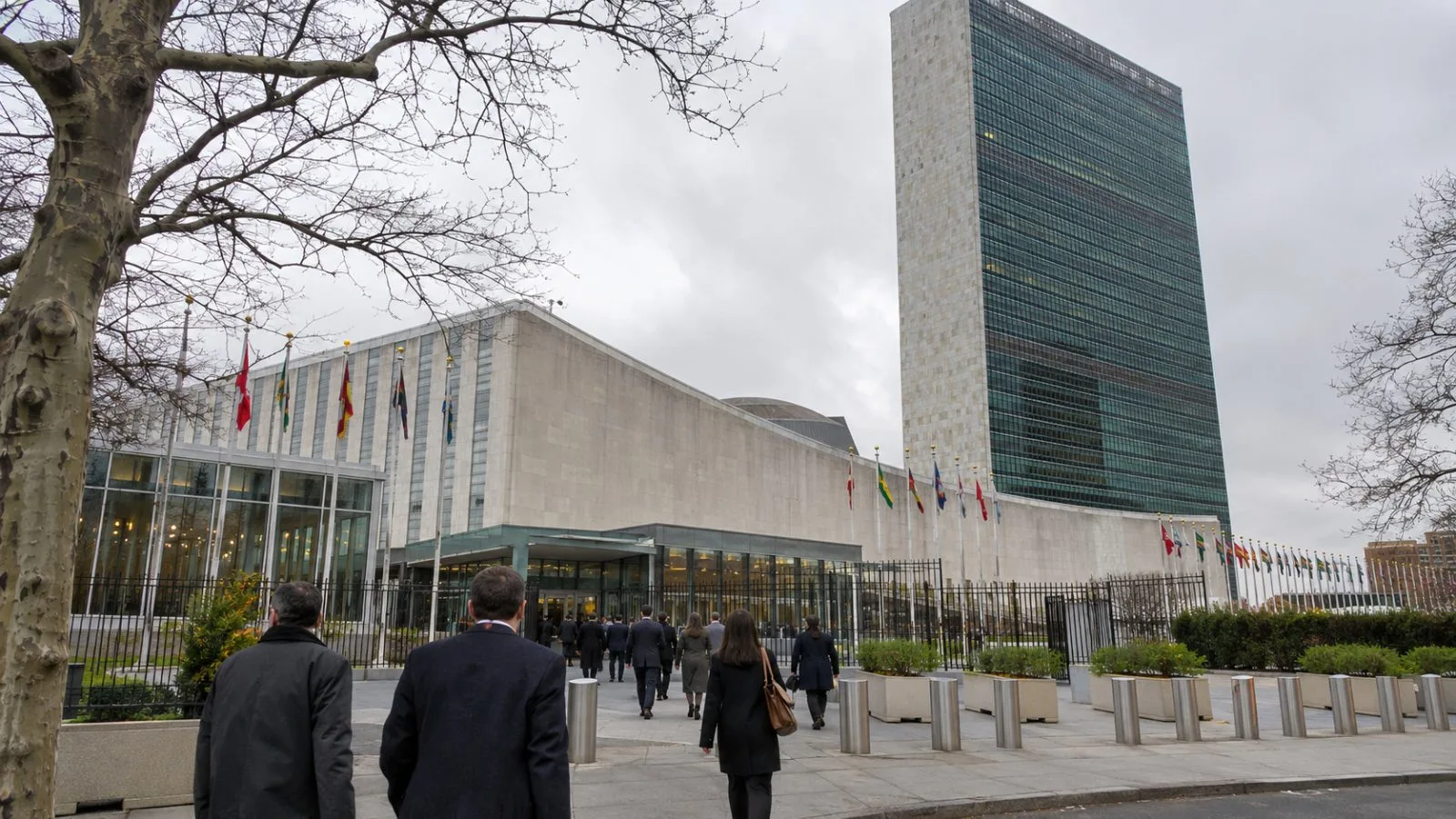
The International Court of Justice (ICJ) began reading its judgment Nov. 19 in The Gambia’s case accusing Myanmar of violating the Genocide Convention, a ruling with implications for accountability under international law.
The court scheduled the public reading for 10 a.m. CET (9 a.m. UTC) on Nov. 19. As the reading continued, The Jerusalem Post reported that judges cited thousands of Rohingya civilian deaths and extensive sexual violence by Myanmar’s security forces. The outlet also reported references to extreme violence against children and attacks on Rohingya fleeing toward Bangladesh.
The Gambia filed the case in 2019, alleging that Myanmar violated the 1948 Genocide Convention. It asked the court to find Myanmar in breach, require it to end any continuing wrongful acts, provide reparations to Rohingya victims and give assurances against repetition.
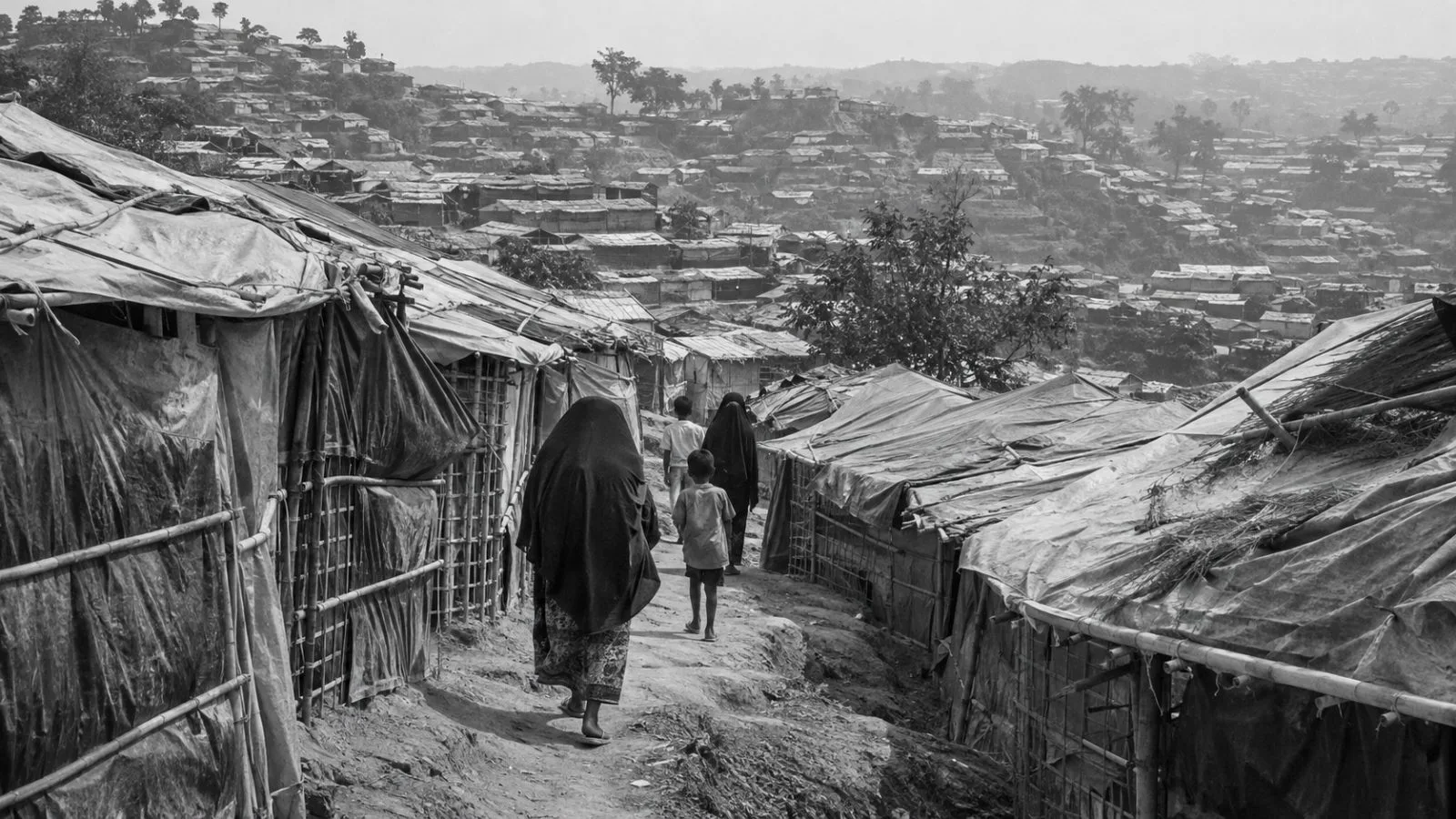
The case concerns Myanmar’s 2017 military operations in Rakhine state. CNA reported that more than 700,000 Rohingya fled to Bangladesh during the crackdown. NDTV reported that 1.2 million Rohingya refugees in Bangladesh’s Cox’s Bazar settlement were awaiting the judgment.
The ICJ held hearings on the merits from Jan. 12-29, 2026, hearing witnesses and an expert called by the parties. In 2020, it ordered Myanmar to take measures to prevent acts covered by the Genocide Convention against the Rohingya. In 2022, it ruled that it had jurisdiction to hear the case and that The Gambia’s application was admissible.
The Jerusalem Post described the legal test for genocide as demanding, reporting that where there is no explicit genocidal program, intent must be the only reasonable inference from the evidence.