Iran is seeking to raise food voucher allowances for eligible households as it tries to slow inflation, with the IMF now projecting a 7.6% economic contraction in 2026.
The International Monetary Fund’s October tables also forecast average annual inflation of 78.6% this year. Its April outlook had projected a 6.1% contraction, making the latest forecast for Iran’s economy more severe.
Iranian government spokeswoman Fatemeh Mohajerani told state-run IRNA on Monday that officials were pursuing slower price increases alongside more support for food purchases. She linked the effort to economic pressure from the United States and other Western countries. In her account, Iran’s wider economic conditions were keeping quick fixes from resolving inflation.
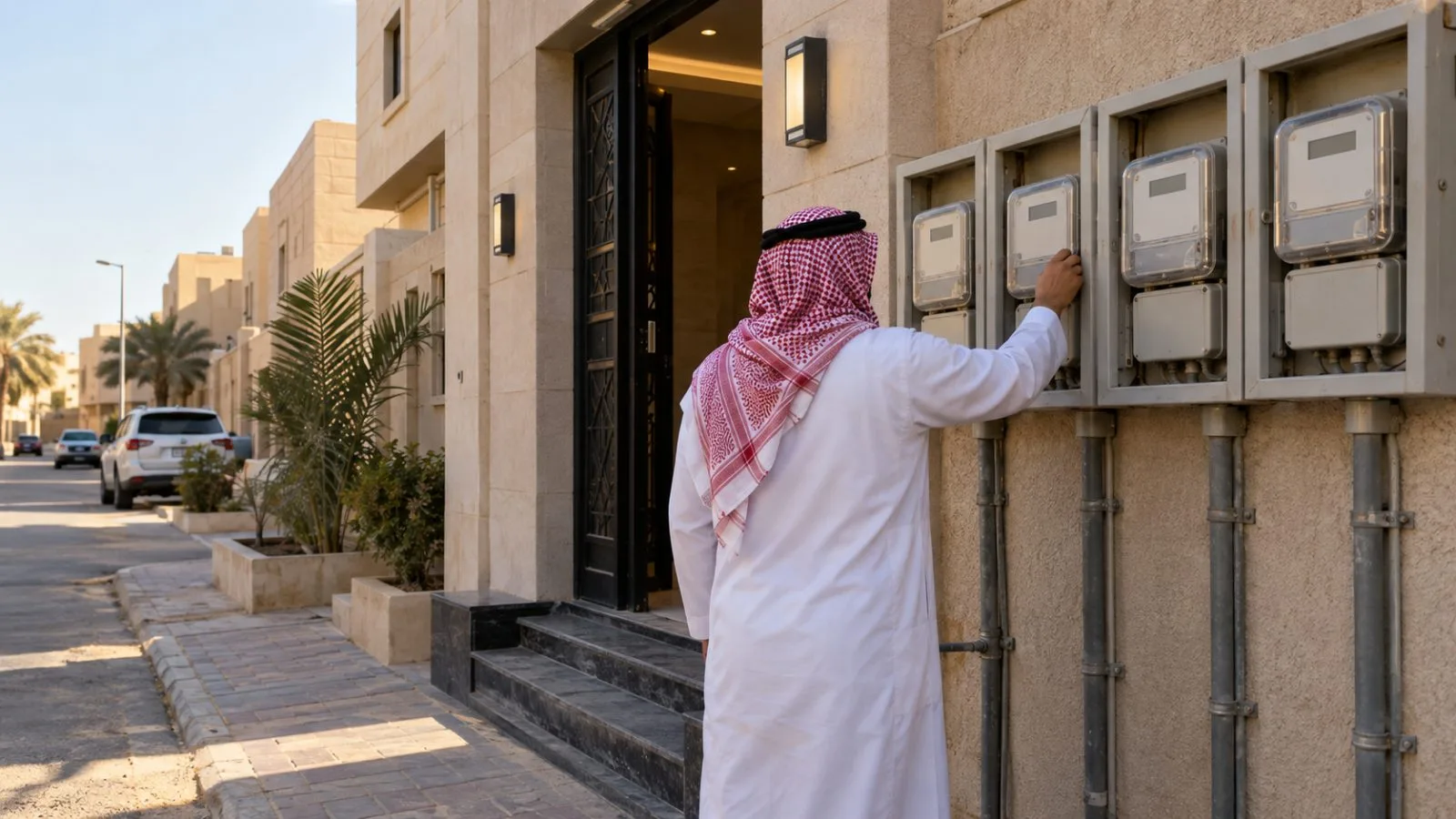
Kalabarg is an electronic program that helps eligible households pay for essential food. The government is seeking to increase the allowances available through it. Mohajerani described the increase as an aim; her remarks did not establish that higher allowances had taken effect.
Anadolu reported that a weakening currency and rising consumer prices have added to Iran’s economic strain. Anadolu said the United States began Operation Economic Outcast in August, directing pressure at Iran’s oil trade, financial dealings and access to overseas markets.
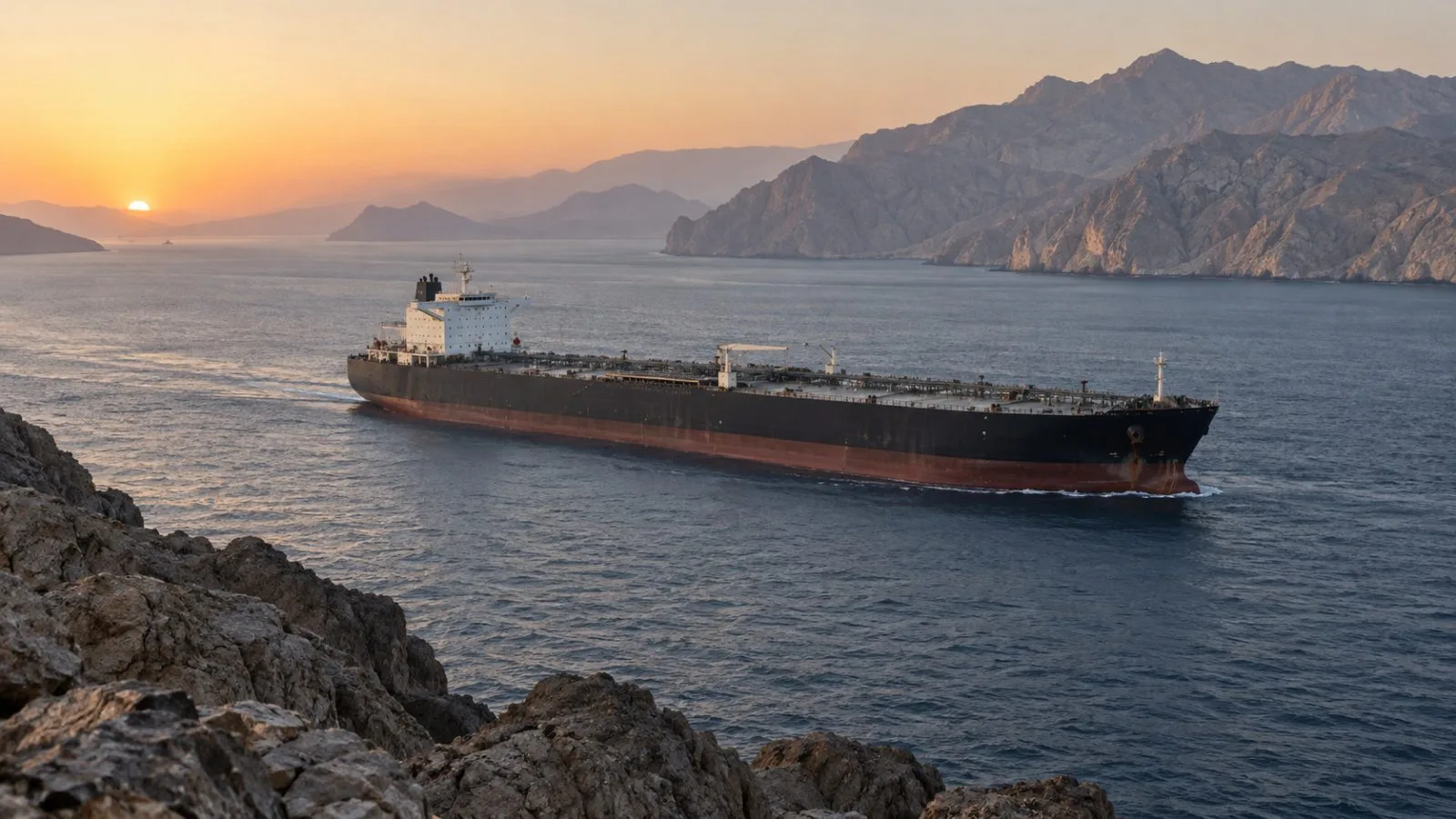
Anadolu cited August television remarks by Central Bank of Iran Governor Abdolnaser Hemmati, who said conflict and sanctions had pushed Iran’s oil exports to zero. Anadolu said the United States reinstated a naval blockade in July, covering vessels arriving at or departing from Iranian ports.
In an Oct. 20 interview, U.S. Secretary of State Marco Rubio said the United States would maintain its economic pressure on Iran. He also called a deal difficult, as our earlier report on the interview noted.