Tensions between Iran and the United States have reached a dangerous new level after Iran's Islamic Revolutionary Guards Corps threatened to halt all oil shipments from the Middle East if American and Israeli military strikes continue. The warning sent shockwaves through global energy markets and drew a fierce response from President Donald Trump.
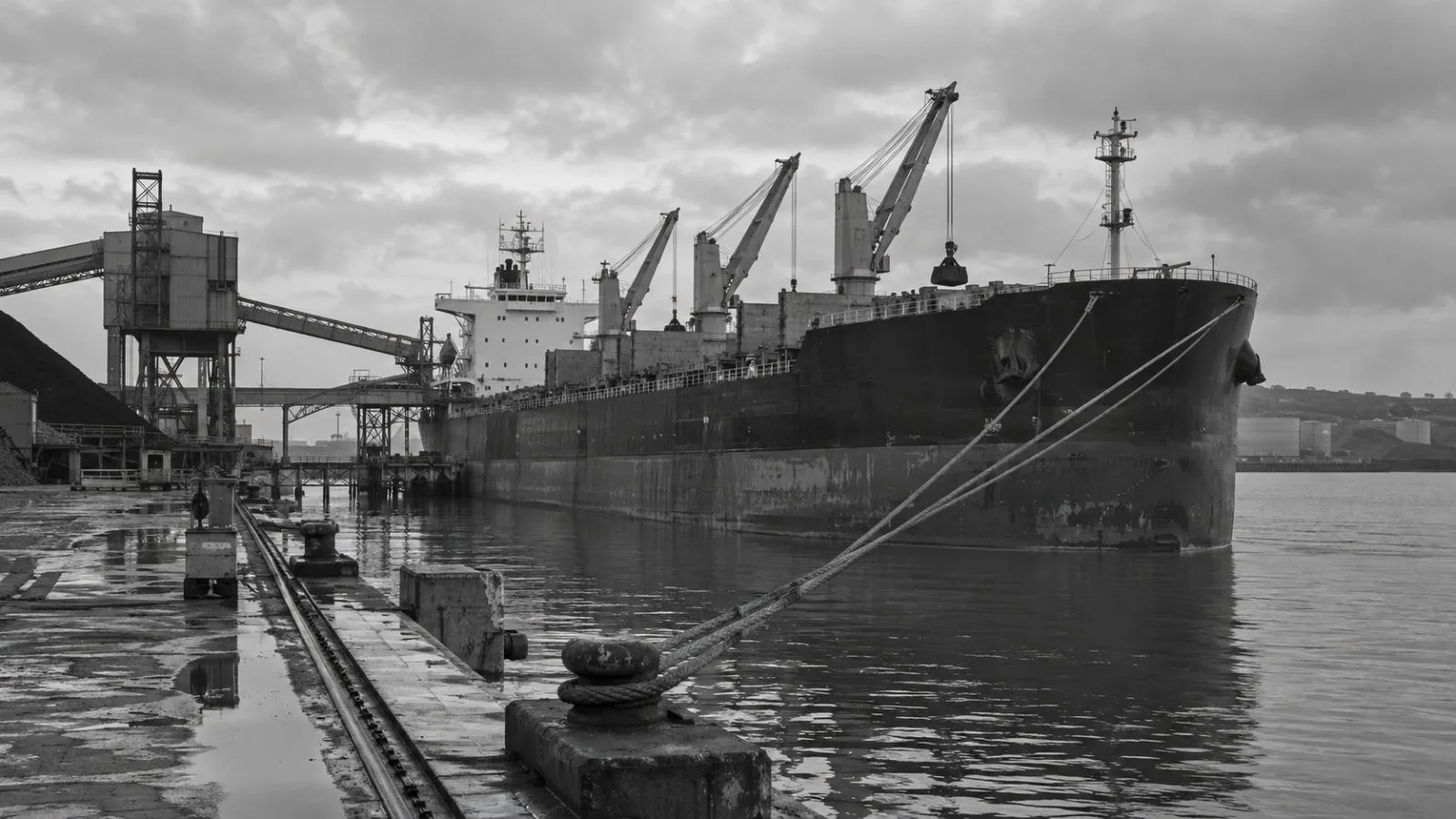
Trump cautioned that the U.S. would strike Iran "twenty times harder" should Tehran attempt to block tanker movement through the Strait of Hormuz, a critical chokepoint responsible for roughly one-fifth of the world's oil supply. The strait has already been effectively shut down for over a week, forcing oil producers to pause operations as storage capacity reaches its limits.
Global markets reacted sharply to the escalating conflict. Brent crude futures surged nearly 29% on Monday before retreating more than 10% on Tuesday, reflecting the deep uncertainty surrounding Middle East energy security. Stock markets mirrored this volatility, swinging significantly as new developments emerged throughout the week.
The appointment of Mojtaba Khamenei as Iran's new Supreme Leader dampened hopes for a swift resolution, signaling that Iran's leadership intends to maintain a hardline stance. Iranian state media quoted a Revolutionary Guards spokesperson as saying the country would determine how and when the conflict ends.
Iran's U.N. ambassador reports at least 1,332 civilians killed since the U.S. and Israel launched coordinated strikes in late February. Meanwhile, a Tehran oil refinery was struck, blanketing the capital in black smoke and drawing concern from the World Health Organization over potential contamination of food and water supplies.
Trump, who spoke with Russian President Vladimir Putin, indicated the U.S. may waive oil-related sanctions on certain countries to address the growing energy shortage, with Russian oil potentially among the options being considered.