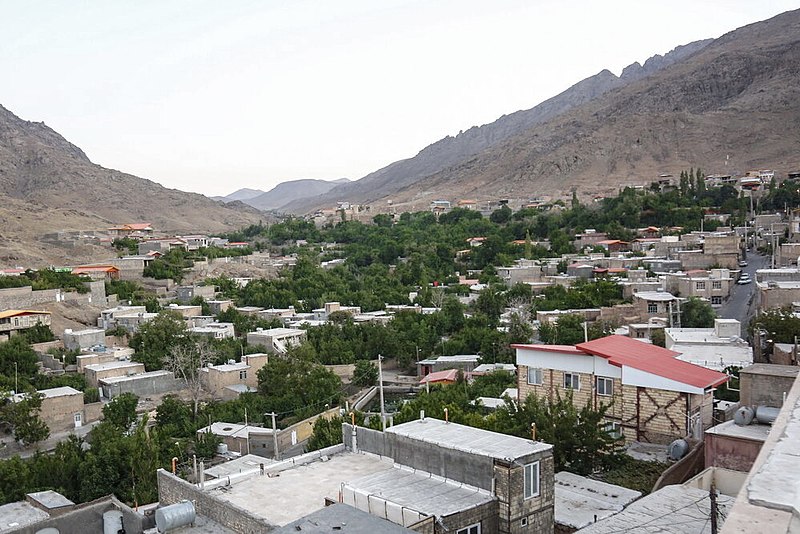
The United Nations nuclear watchdog said that Iran has begun enriching its uranium to up to 60 percent purity at its facility in Fordow. The report marks the latest sign of Iran’s advancing of its nuclear program.
The International Atomic Energy Agency confirmed Tuesday the reports from Iran of Tehran’s move to further enrich uranium. The latest reports of enrichment were done by the Islamic Republic in retaliation for the IAEA’s criticism of Iran in a resolution by the agency’s board of governors last week. The resolution by the 35-member board orders Tehran to cooperate with the IAEA’s long-running probe into the source of uranium particles found at three undeclared sites.
“Director-General Rafael Mariano Grossi today said Iran had started producing high-enriched uranium – UF6 (uranium hexafluoride) enriched up to 60% – using the existing two cascades of IR-6 centrifuges in the Fordow Fuel Enrichment Plant in addition to such production that has taken place at Natanz since April 2021,” the IAEA said in a statement.
Iran is already enriching uranium to up to 60 percent purity in its other facilities, but the decision to do so in the Fordow plant will likely be seen by the West as a provocative action as the site is under a mountain which makes it harder to attack. The purity percentage is below the 90 percent threshold for weapons-grade material but is above the 20 percent that Iran originally produced before the 2015 nuclear agreement.
The statement by the IAEA was a summary of a confidential IAEA report to member states on the various actions by Tehran at its enrichment facilities in both Fordow and Natanz. Iran has repeatedly said its nuclear program was for peaceful use.
The move by Tehran was condemned by France, the United Kingdom, and Germany. The three countries issued a joint statement released by the British government on the same day.
“Iran’s step is a challenge to the global non-proliferation system,” said the statement. “This step, which carries significant proliferation-related risks, has no credible civilian justification. We will continue to consult, alongside international partners, on how best to address Iran’s continued nuclear escalation.”