Islamic Revolutionary Guard Corps (IRGC) spokesman Hossein Mohebbi said new targets and weapons would be unveiled while citing internet cables beneath the Strait of Hormuz, a major oil corridor, Anadolu Agency reported.
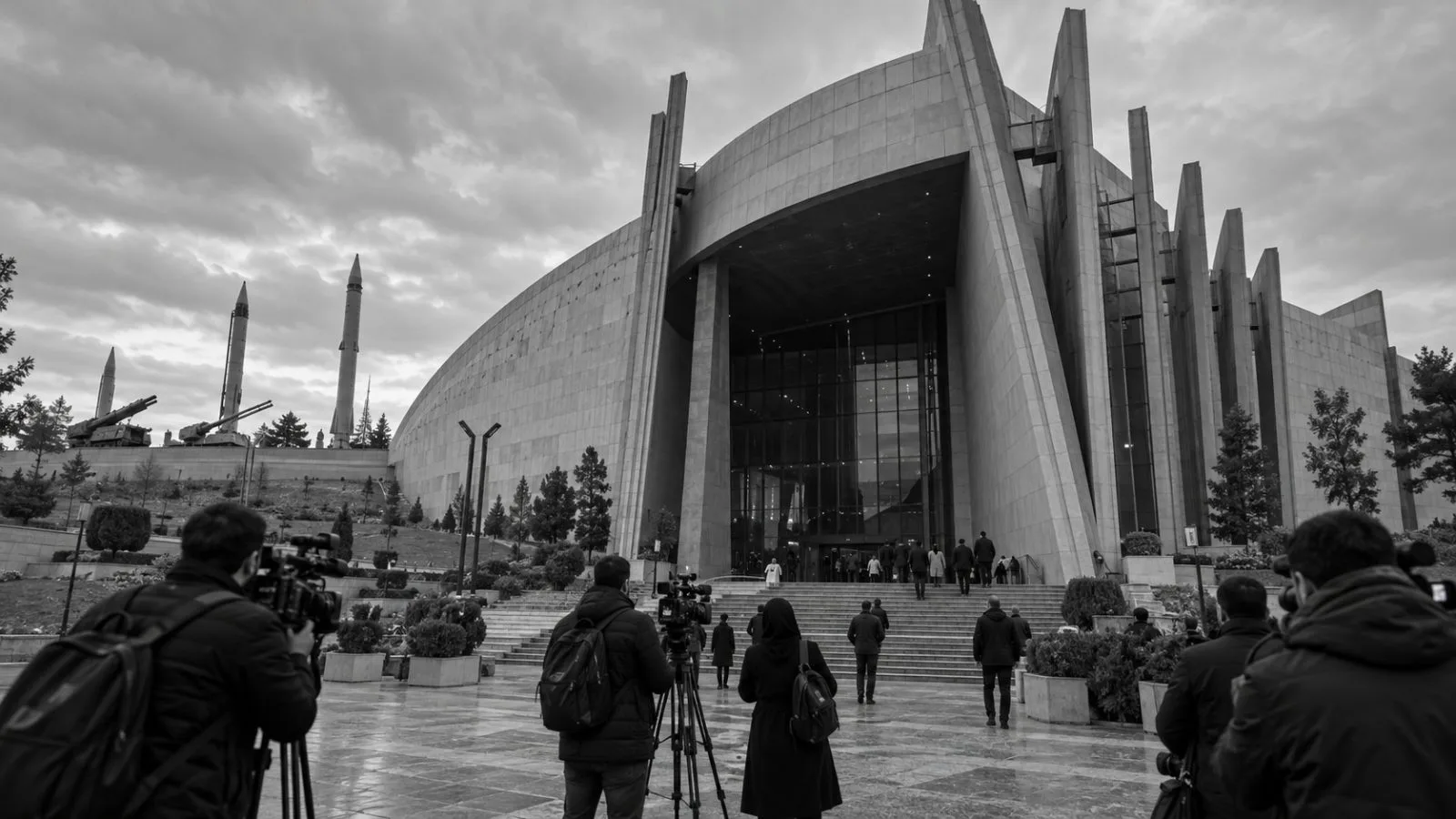
Anadolu attributed the remarks, made Monday at Tehran’s Sacred Defense Museum, to Iranian state broadcaster IRIB. Mohebbi claimed seven major internet cables pass under the strait. He did not explicitly identify them as targets.
The strait is also central to oil trade. The U.S. Energy Information Administration (EIA) put traffic through Hormuz in 2025 at about 21.2 million barrels per day across crude oil, condensate and petroleum products. That was roughly one-fifth of global petroleum liquids consumption. The agency identified Asian import markets as particularly exposed to disruption.
Anadolu also cited an interview with Press TV earlier this month in which Mohsen Rezaei, the secretary of Iran’s Supreme National Security Council, raised the possibility of strikes on U.S.-linked digital infrastructure if another war broke out. Rezaei named seabed cables, data centers and artificial intelligence facilities, but said Iran had not added them to its targets.
EconoTimes previously covered the Guards’ claim that a tanker caught fire after a mine strike south of Hormuz.
Anadolu reported that a U.S. blockade of Iranian ports followed Iranian missile and drone attacks and an effective closure of the strait. The conflict began with U.S. and Israeli attacks on Iran on Feb. 28, the agency said. It reported that implementation of a U.S.-Iran memorandum signed in June on freedom of navigation has stalled over disagreements about security in the waterway.