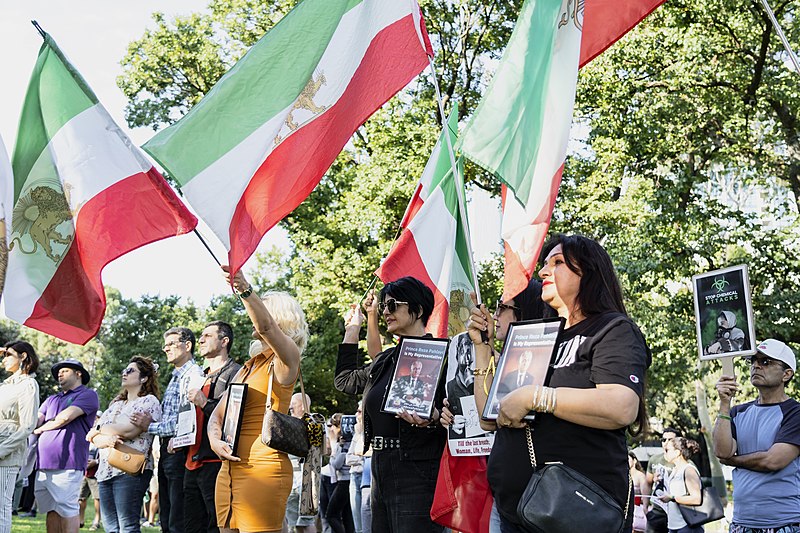
A United Nations-appointed expert said Iranian authorities may have committed violations that could be equal to crimes against humanity. This comes as Iran is still experiencing unrest in the form of widespread protests that have been taking place since September last year.
Speaking at the UN Human Rights Council, the UN special rapporteur on Iran Javaid Rehman said he has evidence that the Kurdish Iranian woman Mahsa Amini died “as a result of beatings by the state morality police” following her arrest due to alleged flouting of the Islamic dress code. Amini’s death resulted in widespread protests in the country, calling for the fall of Iran’s clerical leaders, the biggest show of opposition since the 1979 Revolution.
Rehman said the extent and the gravity of the crimes committed by Iranian authorities to crack down on protesters “points to the possible commission of international crimes, notably the crimes against humanity.” Rehman cited cases of murder, enforced disappearances, persecution, rape, sexual violence, and torture.
During the course of the protests, around 527 people were killed, including 71 children, according to Rehman, noting some demonstrators who were beaten to death by security forces. Rehman added that women and girls were being targeted by shotgun fire to their faces, chests, and genitals, citing the findings of Iranian doctors.
“Children released have described sexual abuses, threats of rape, floggings, administration of electric shocks and how their heads were maintained under water, how they were suspended from their arms or from scarves wrapped around their necks,” said Rehman, who also condemned the four people Iran’s hardline judiciary executed on protest-related charges, saying that 143 people have been executed since January after “grossly unfair trials.”
Tehran has sought to blame its foreign adversaries like the United States and Israel for the protests. The crackdown on protests have also resulted in rounds of sanctions on Iran, which has also come under added scrutiny over the alleged supply of drones to Russia.
The United Kingdom on Monday sanctioned senior officials of Iran’s Revolutionary Guards, including those in London, says are responsible for managing the group’s financial investments. The sanctions include asset freezes and travel bans, and the newest penalties targeted five members on the Board of Directors of the IRGC Co-operative Foundation and two senior IRGC commanders based in Tehran and Alborz.