Israel’s Tuesday election could leave Arab-led parties with a potential role in coalition talks, but their influence depends on whether other parties are willing to work with them.
Israel’s Basic Law sets the Knesset at 120 seats, and a government prospectus says 61 are needed for a viable government. Final polls projected both major blocs below that threshold. EconoTimes previously covered an earlier projection for Arab-led parties.
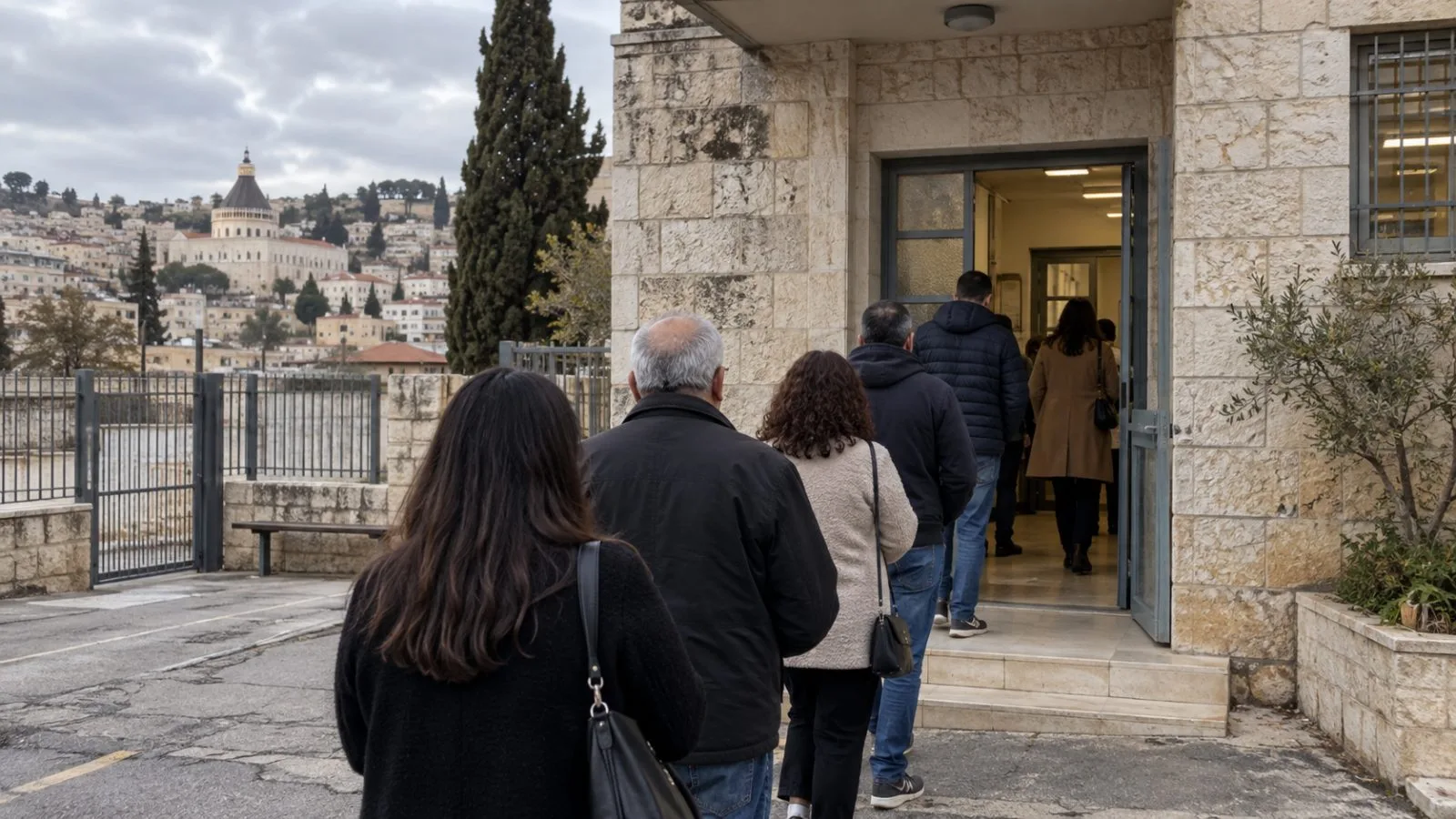
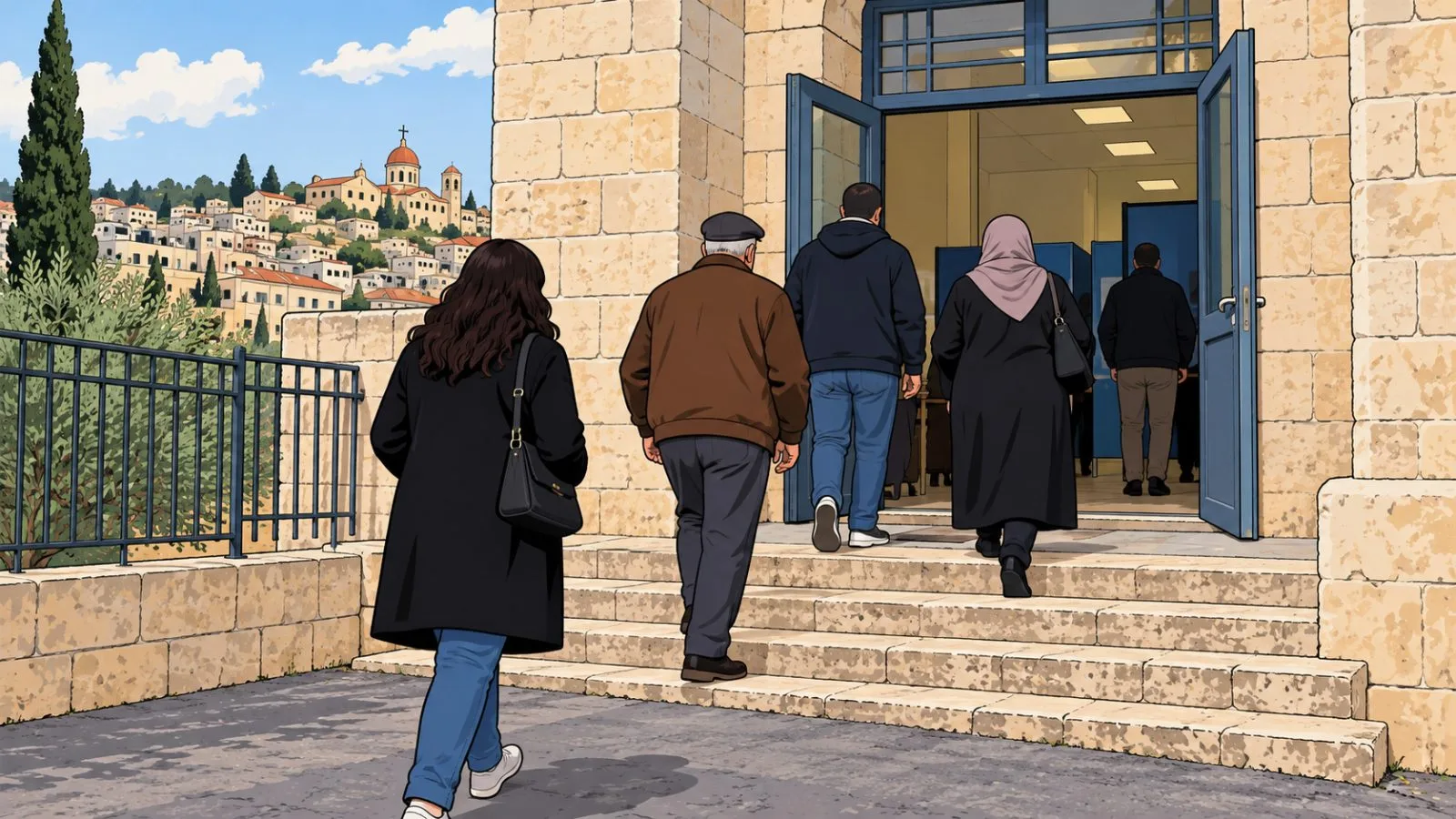
The Central Elections Committee reported nationwide turnout of 31.5% by noon in Israel, equivalent to 6 a.m. EDT (10:00 UTC), compared with 28.4% at the same time in 2022. The figure does not show how many Arab voters had cast ballots. The Times of Israel, citing committee figures, described the rate as the highest at noon since the 1973 election.
A Channel 12 poll conducted by Midgam on Oct. 22–23 projected 56 seats for the Zionist change bloc, 50 for the governing coalition and 14 for Arab parties. It put Likud at 21 seats. The poll surveyed 1,018 people and had a maximum sampling error of 4.4 percentage points. Kan’s poll projected 14 seats for Arab parties, while Channel 13’s projected 16; both also put the larger blocs below 61 seats.
In the Channel 12 poll, 62% of respondents who supported Arab parties said they intended to vote if the election were held that day. That was reported intent, not a count of ballots cast. Arab and Druze turnout was 53.2% in 2022, up from 44.6% in 2021, according to an Israel Democracy Institute analysis of final election results.
Ra’am leader Mansour Abbas said while voting, “Our vote will change the government.” The Associated Press reported that Abbas hoped turnout in Arab communities would exceed 70%. The AP also reported that Ra’am became the first Arab-led party to join an Israeli governing coalition in 2021 and that the government lasted a little over a year.
Whether Arab-led parties will take part in the next government remains unsettled. The AP reported that Prime Minister Benjamin Netanyahu and his chief rivals had ruled out coalition governments with Arab-led parties, while outside support for a minority government could be possible. The National, citing unnamed senior opposition officials, reported that an arrangement involving Arab support was under consideration.
Most polling stations were scheduled to close at 4 p.m. EDT (20:00 UTC). The Central Elections Committee’s timetable lists Nov. 4 for publication of official results.