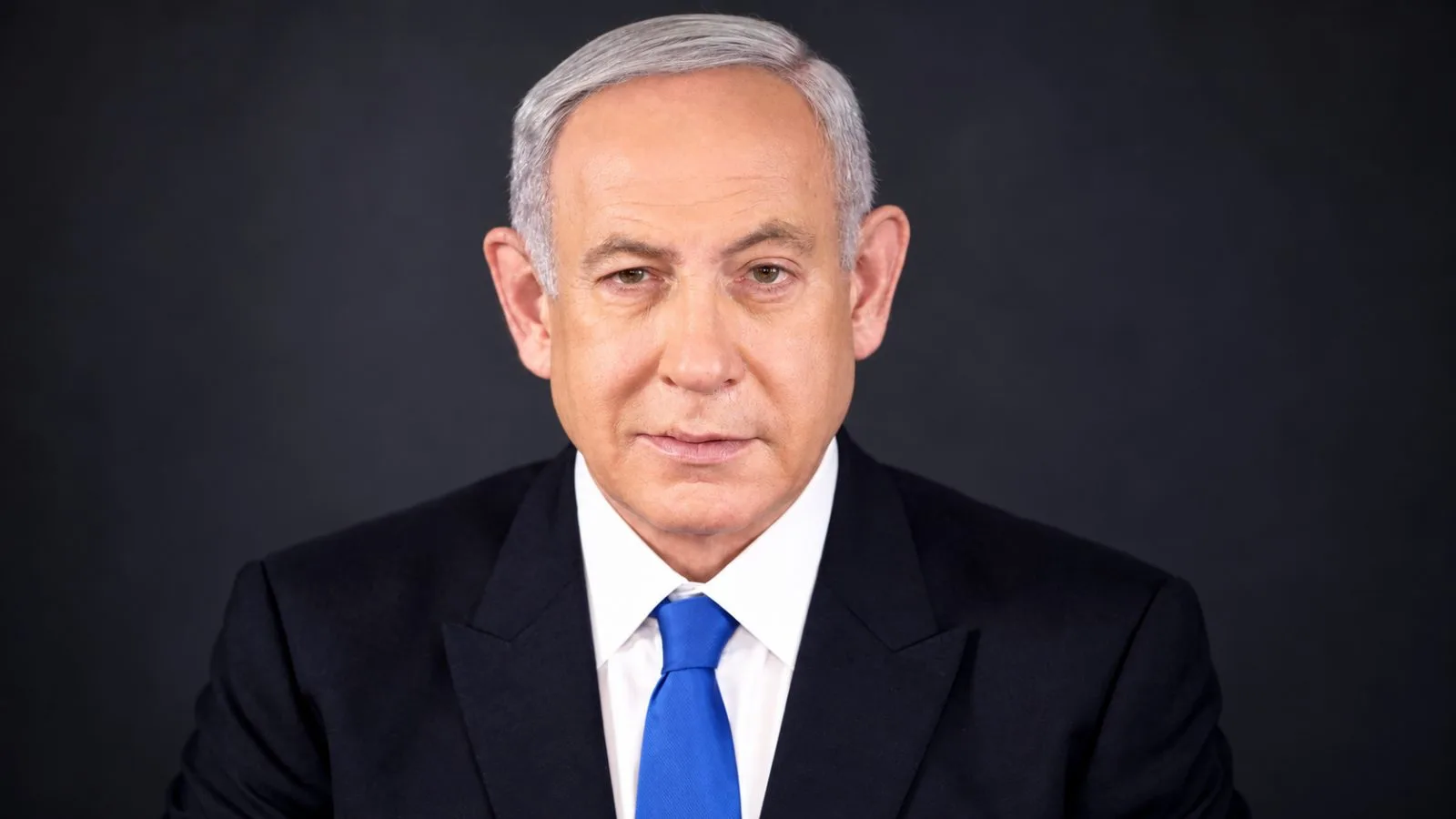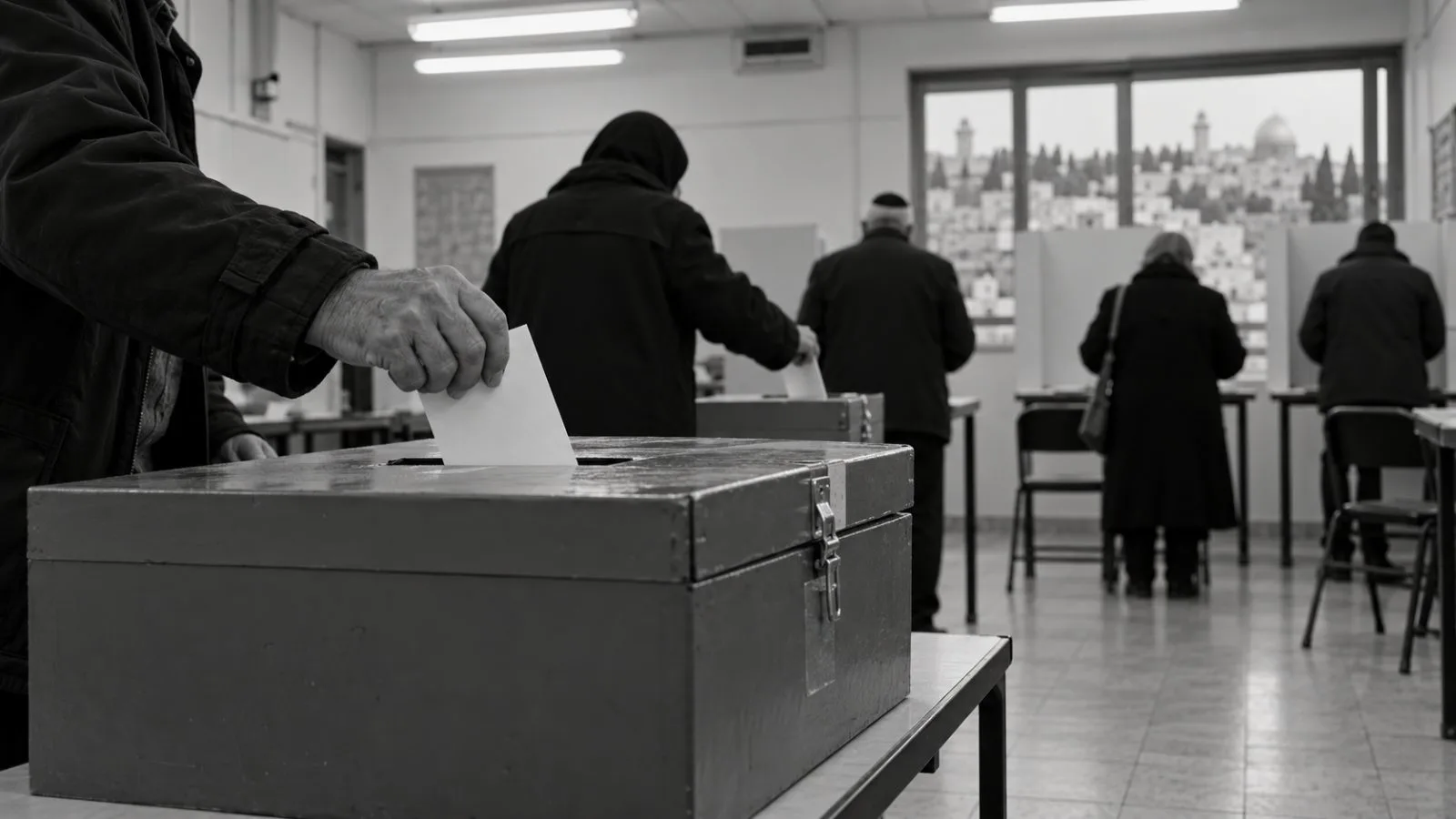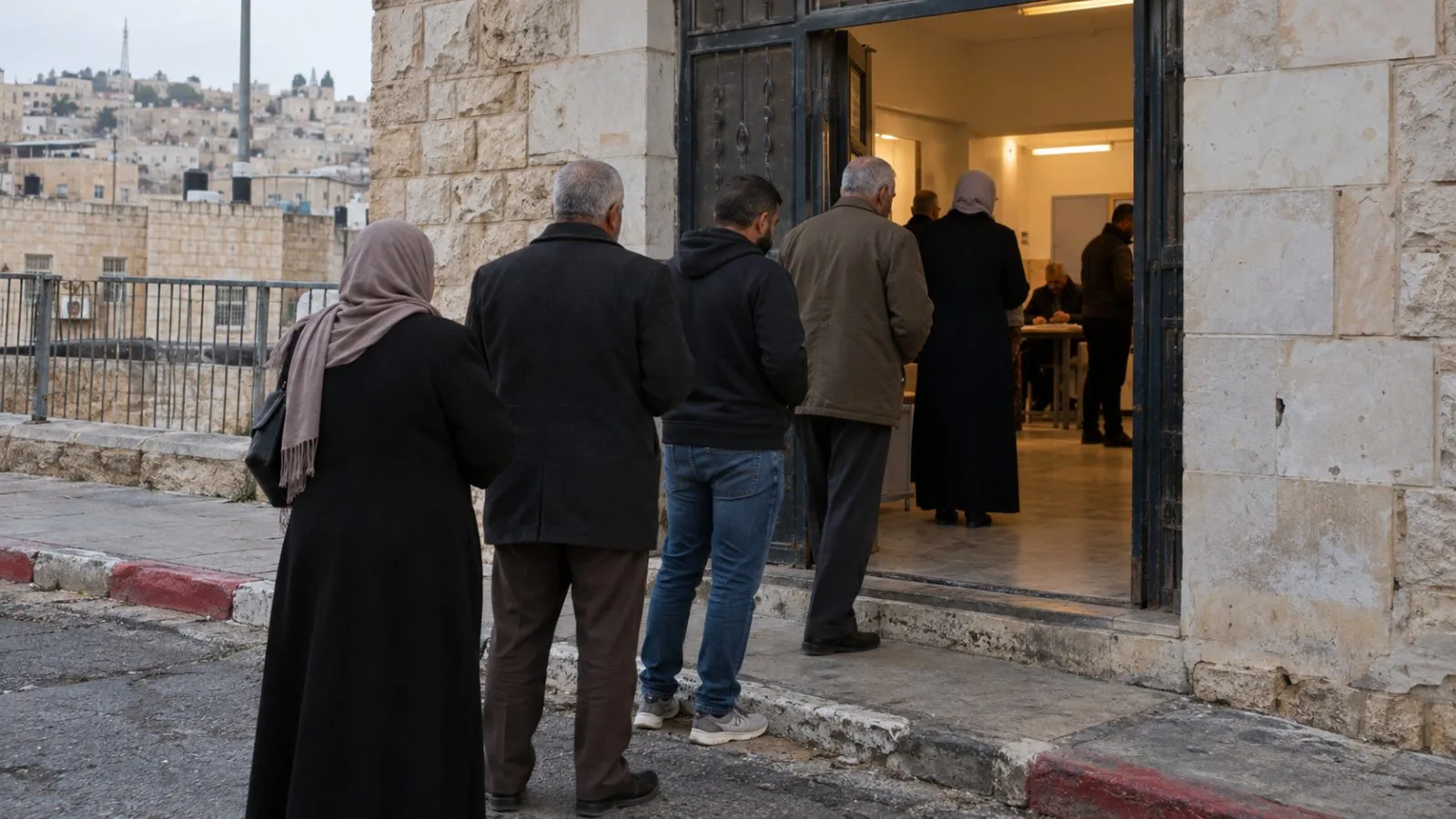
Israel’s preliminary election count left Prime Minister Benjamin Netanyahu’s bloc eight seats short of a Knesset majority, while coalition talks may depend on whether rival groups are willing to work together.
The Times of Israel reported that a Central Elections Committee update issued at 8:32 a.m. EDT (12:32 UTC) Wednesday, Oct. 28, projected 53 seats for Netanyahu’s bloc, 48 for the opposition bloc led by Gadi Eisenkot and 19 for Arab-led parties. The update covered 85.6% of all votes and 93% of ordinary ballots, the outlet said.
The tally was incomplete, with hundreds of thousands of double-envelope ballots still to be counted, according to The Times of Israel. With 120 seats in the Knesset, a majority requires 61. The opposition’s projected 48 seats and Arab-led parties’ 19 would total 67 if they joined forces, but The Times of Israel reported that some opposition parties had ruled out certain forms of cooperation with the Arab-led lists.
Israel’s proportional party-list system allocates seats among qualifying parties, and governments are formed through coalition agreements, according to the Central Elections Committee. The Associated Press described the 2022 election as Israel’s fifth national vote in 3½ years.
The Associated Press and The Times of Israel reported that President Isaac Herzog urged faction representatives to remain open during coalition talks and said he wanted to prevent another election. The Times of Israel reported that Herzog expected to receive the official results from Supreme Court Justice Noam Sohlberg the following week, then consult the Knesset factions.
After those consultations, the president selects a lawmaker to form a government, according to the president’s office. The office says the candidate has 28 days, with a possible extension of up to 14 days. The Central Elections Committee lists Nov. 4 as the deadline for publication of final results.