Israel’s Oct. 27 election is approaching without a timetable for a full troop withdrawal from southern Lebanon, while some residents and analysts interviewed by Al Jazeera expect little change in Israel’s policy toward Lebanon.
The June 26 framework, published by the U.S. State Department, lays out a staged redeployment through two initial pilot zones. It ties the pullback to verified disarmament of non-state armed groups and the Lebanese Armed Forces restoring state authority. Those steps are intended to let the Israel Defense Forces redeploy progressively. The framework says Israel “has no territorial ambitions in Lebanon,” but sets no final date for withdrawal.
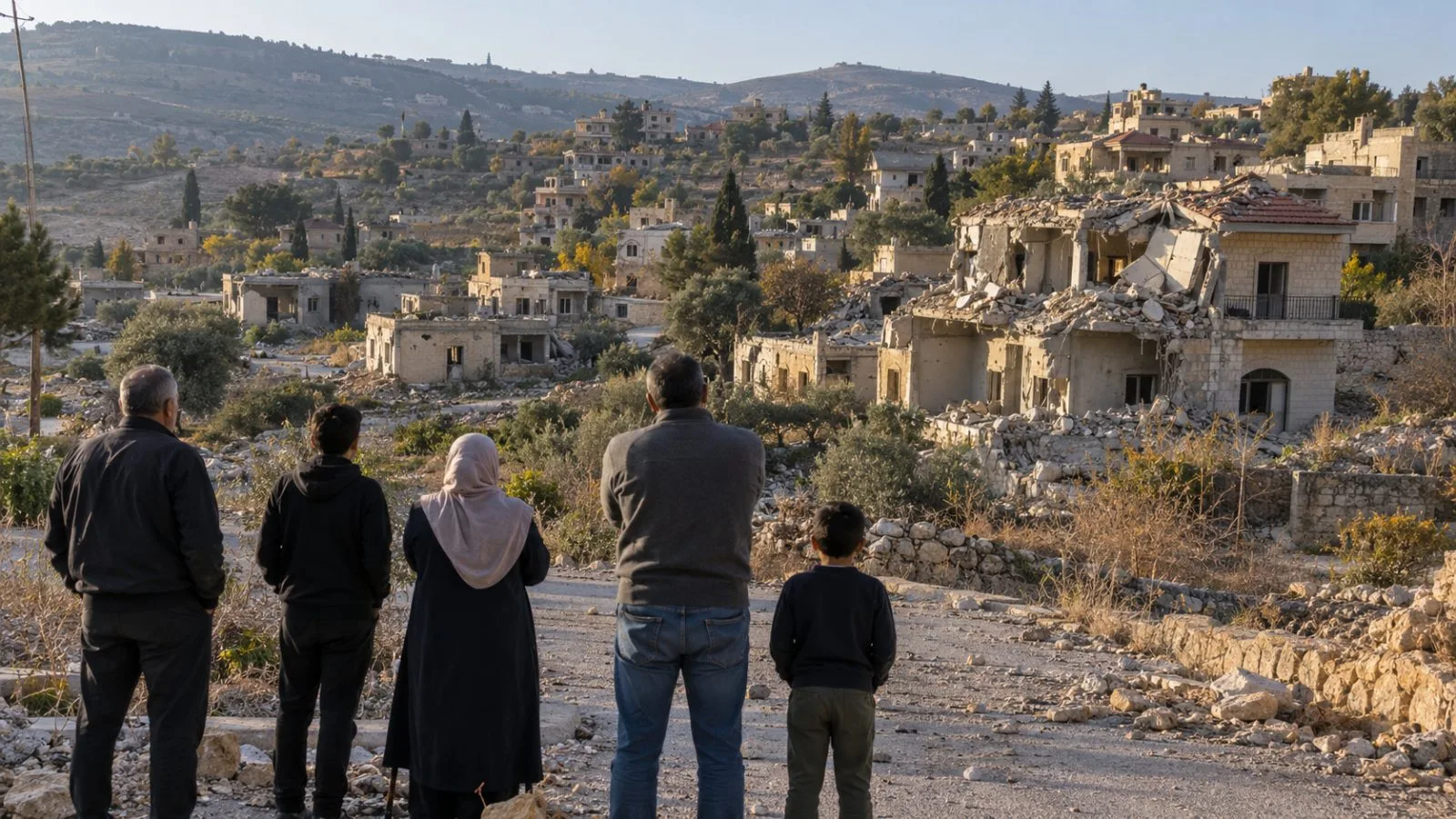
The Associated Press (AP) reported in October that Israeli troops remained in large areas of southern Lebanon, while demolitions and strikes continued during a ceasefire. AP also reported that residents displaced from Mansouri watched demolitions under Israeli control from a neighboring village. Lebanon’s Ministry of Public Health said its Oct. 12 update counted 8,956 deaths and 30,660 injuries from Israeli attacks since Oct. 8, 2023. AP also reported that Israel occupied southern Lebanon after an invasion, invaded again in 1982 and withdrew in 2000.
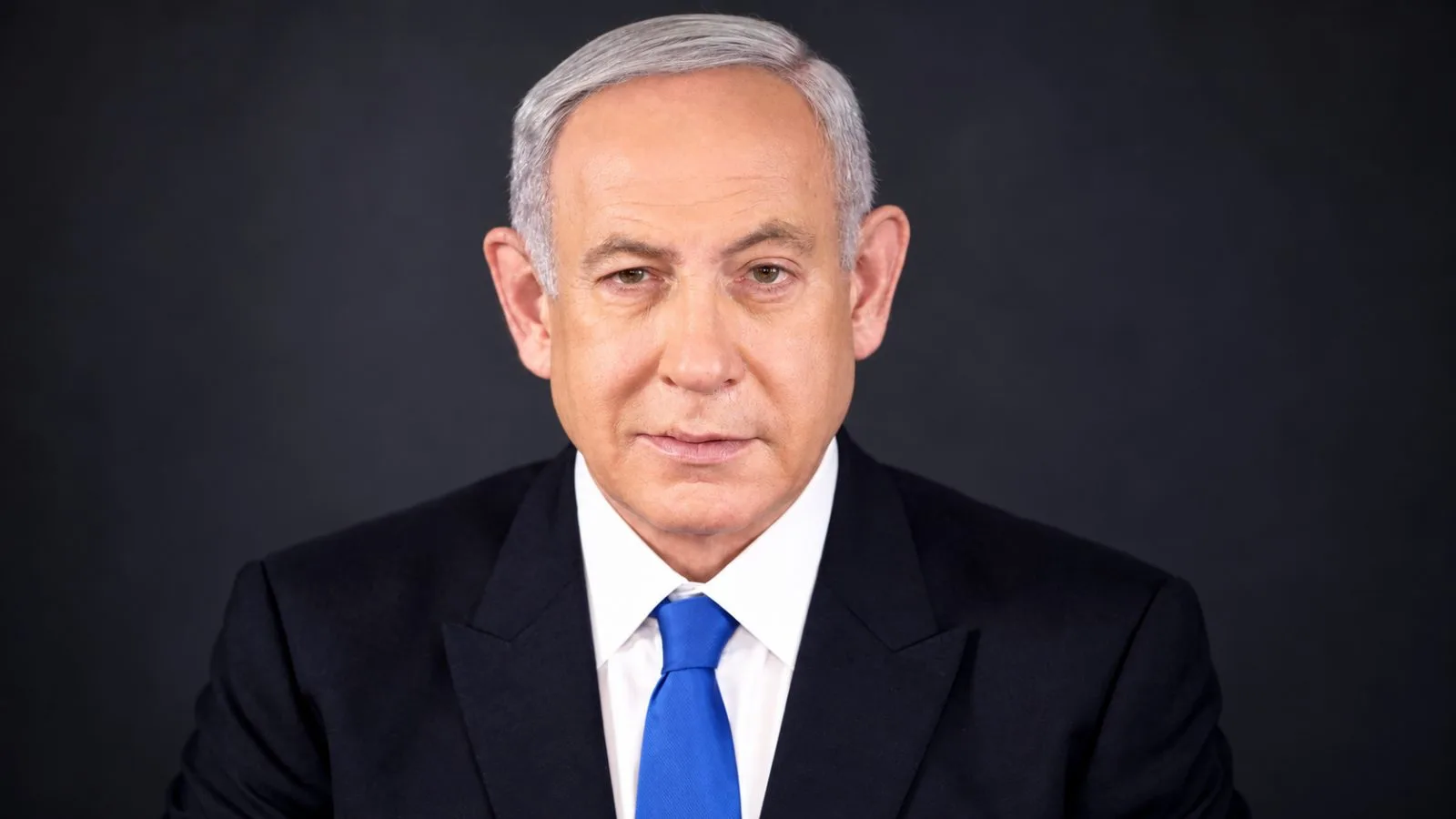
AP described Israeli Prime Minister Benjamin Netanyahu and Gadi Eisenkot, leader of Yashar!, as leading contenders in a close race. Al Jazeera reported that Eisenkot criticized Netanyahu for pausing strikes on Beirut and urged operations against Hezbollah across Lebanon.
A June study by Jad Melki and his team at Lebanese American University found that 54% of 1,000 respondents favored diplomacy as the only path to liberating Lebanon, 35% favored armed resistance as the only path and 87% considered Israel an enemy. The study measured views on the conflict, not expectations about the election.
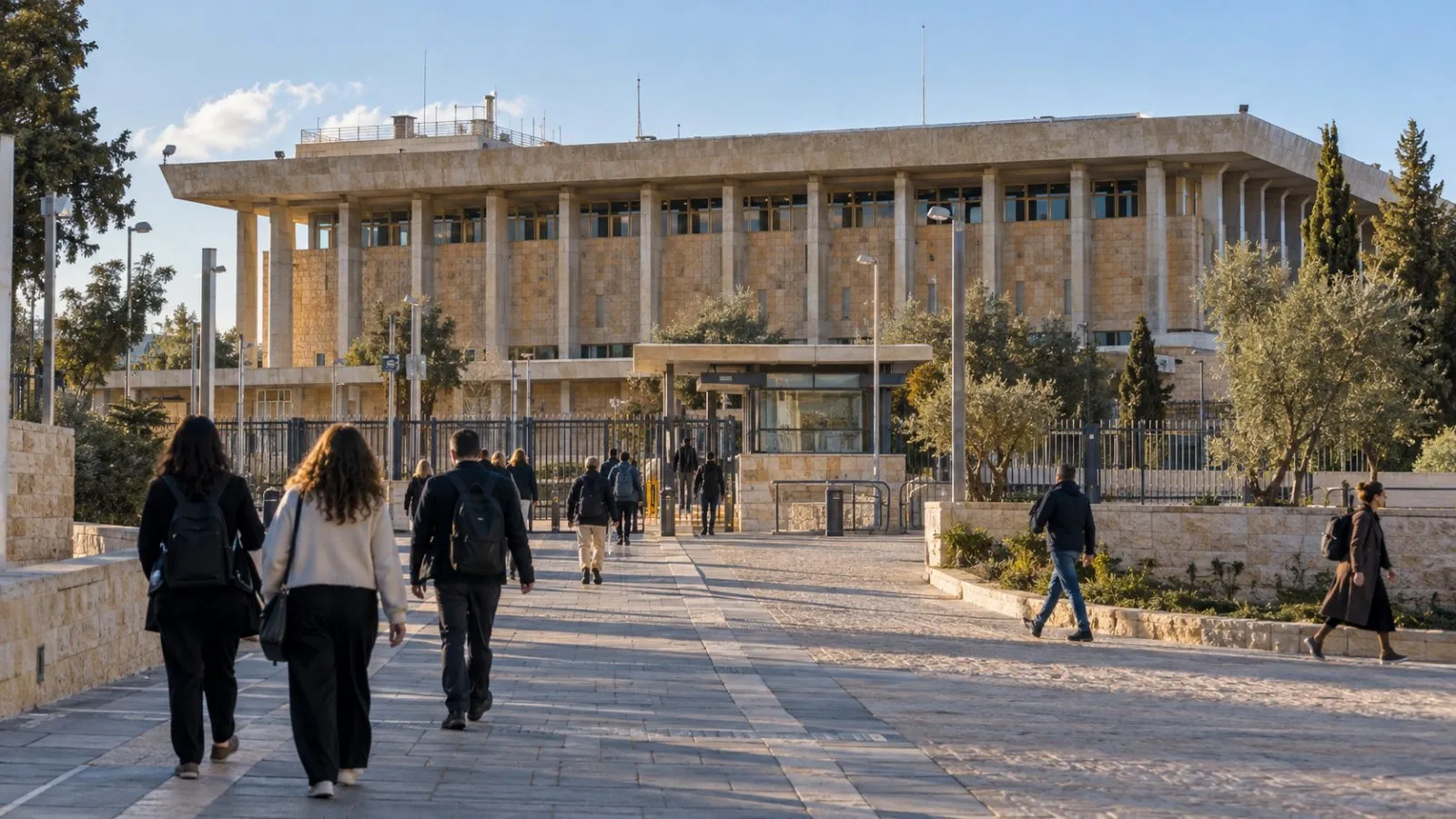
Israel’s Central Elections Committee lists Tuesday, Oct. 27, as Election Day. Al Jazeera quoted Lebanese researcher and podcaster Elia Ayoub as saying the U.S. midterm elections on Nov. 3 could matter at least as much in shaping Israeli policy toward Lebanon.