Matthias Schmale, the United Nations coordinator for humanitarian work in Ukraine, said national organizations deliver most aid, with staff and volunteers facing the greatest risks as Russian strikes threaten civilians and energy infrastructure before winter.
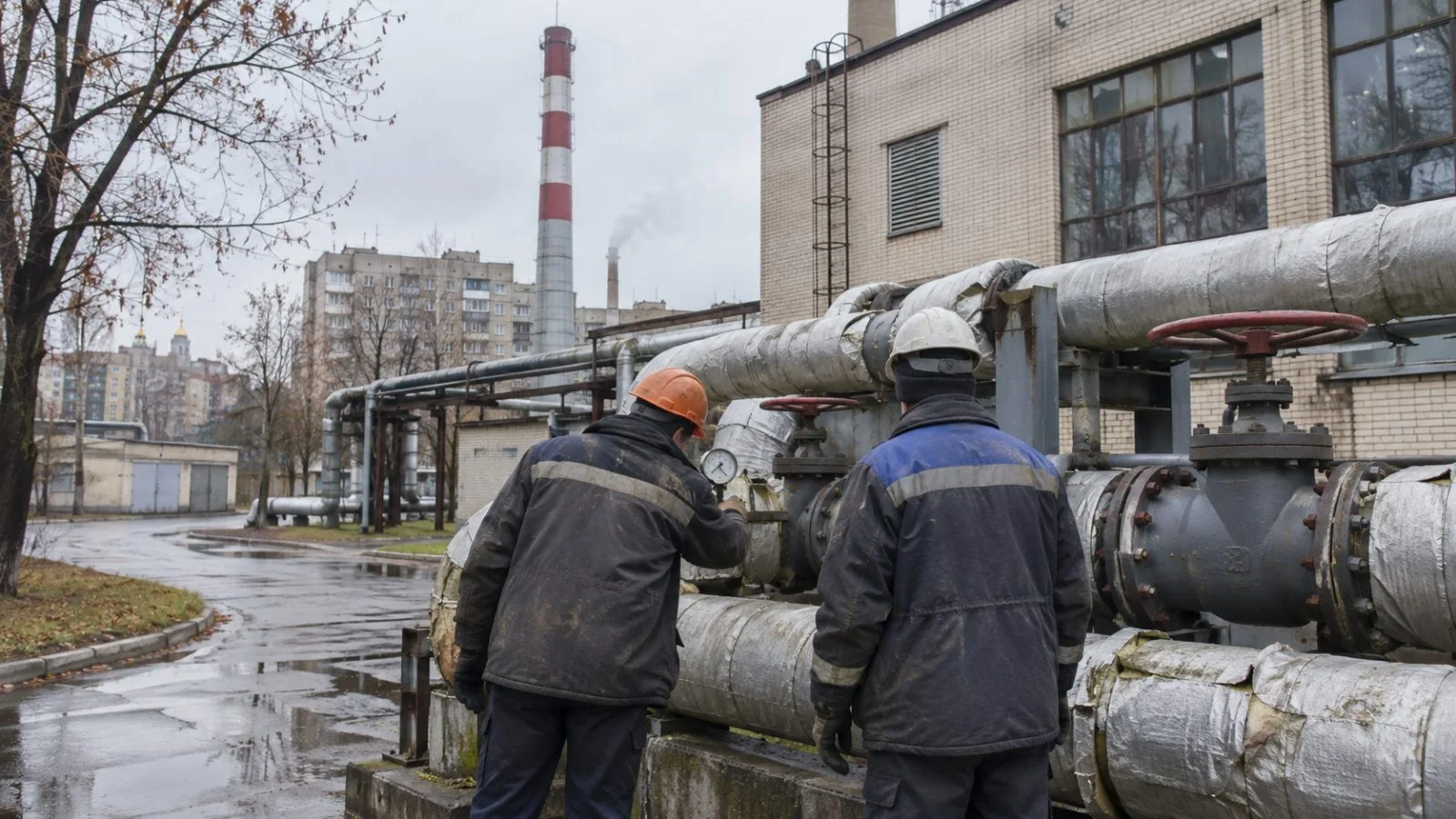
In a first-person account published by UN News on Nov. 15, 2026, Schmale said the war has become more dangerous and difficult to predict as winter approaches. He warned that attacks on electricity infrastructure could interrupt heating, water and other essential services for communities already facing a severe humanitarian crisis.
Schmale said aid teams need close contact with residents, including an understanding of local languages and customs, to identify what communities need. He said some people have declined evacuation if they cannot bring their pets, which he described as part of their attachment to home.
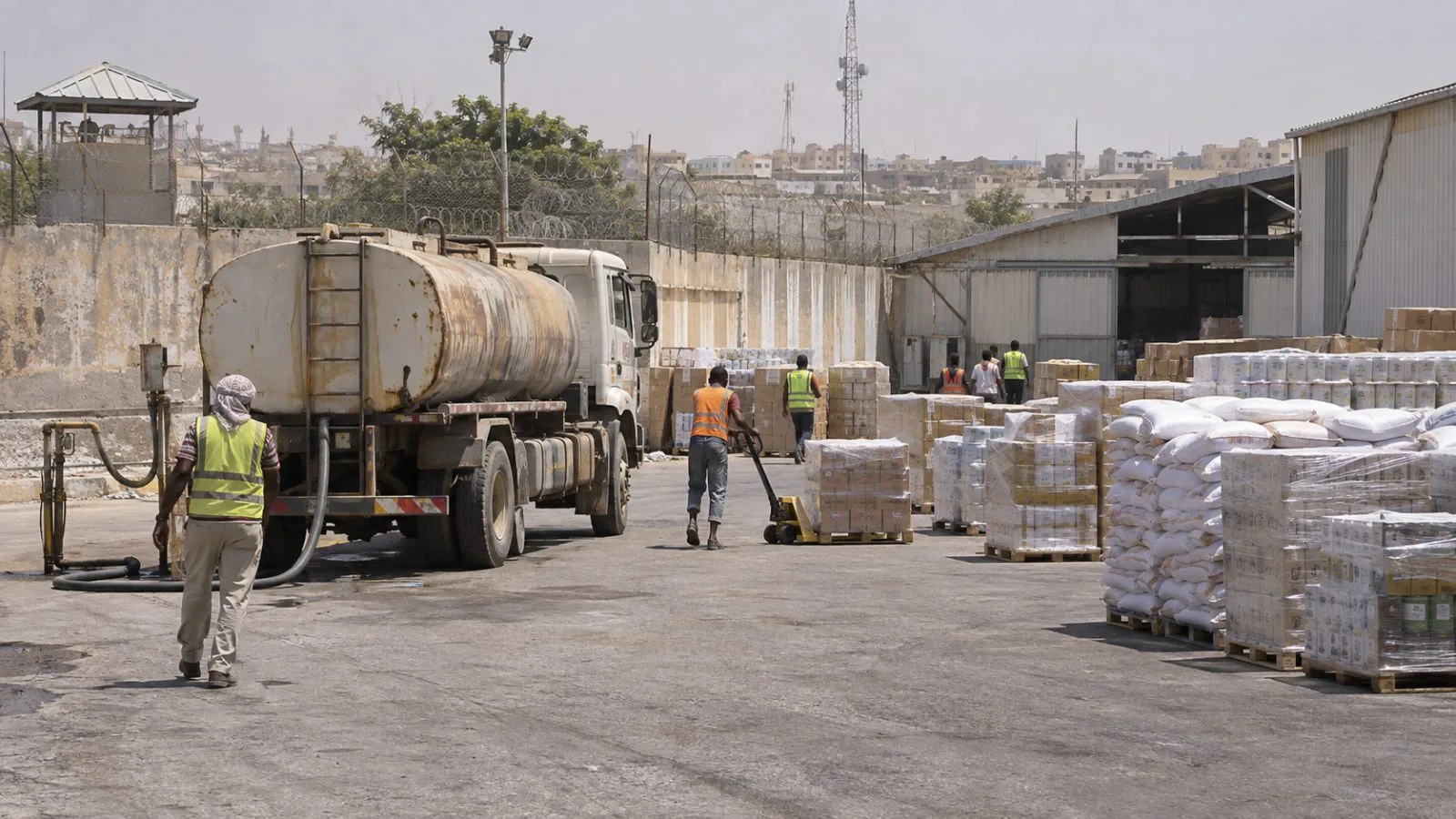
He recounted running from drones with colleagues during a visit to a bakery in Kherson. Schmale said national staff and volunteers bear the greatest risks, while he and other U.N. and international colleagues also encounter danger. He described aid work as including evacuations, deliveries of essential goods to frontline communities and advocacy for people in occupied areas.
Schmale called for continued efforts to secure compliance with international humanitarian law. He also said aid organizations should consider tools such as drone detection and drone-scrambling equipment, and raised the question of how to deliver assistance without shifting danger onto implementing partners.
He recalled discussing one area his team could not enter because of security concerns, despite significant humanitarian needs. Schmale said the governor suggested sending aid through the military. He described military involvement as sensitive and discussed it as a last-resort channel.
Schmale said he and colleagues in the U.N. leadership were determined to keep a core presence in Ukraine for as long as it was physically possible. He cautioned against expecting workers to accept risks that are too great to their lives.