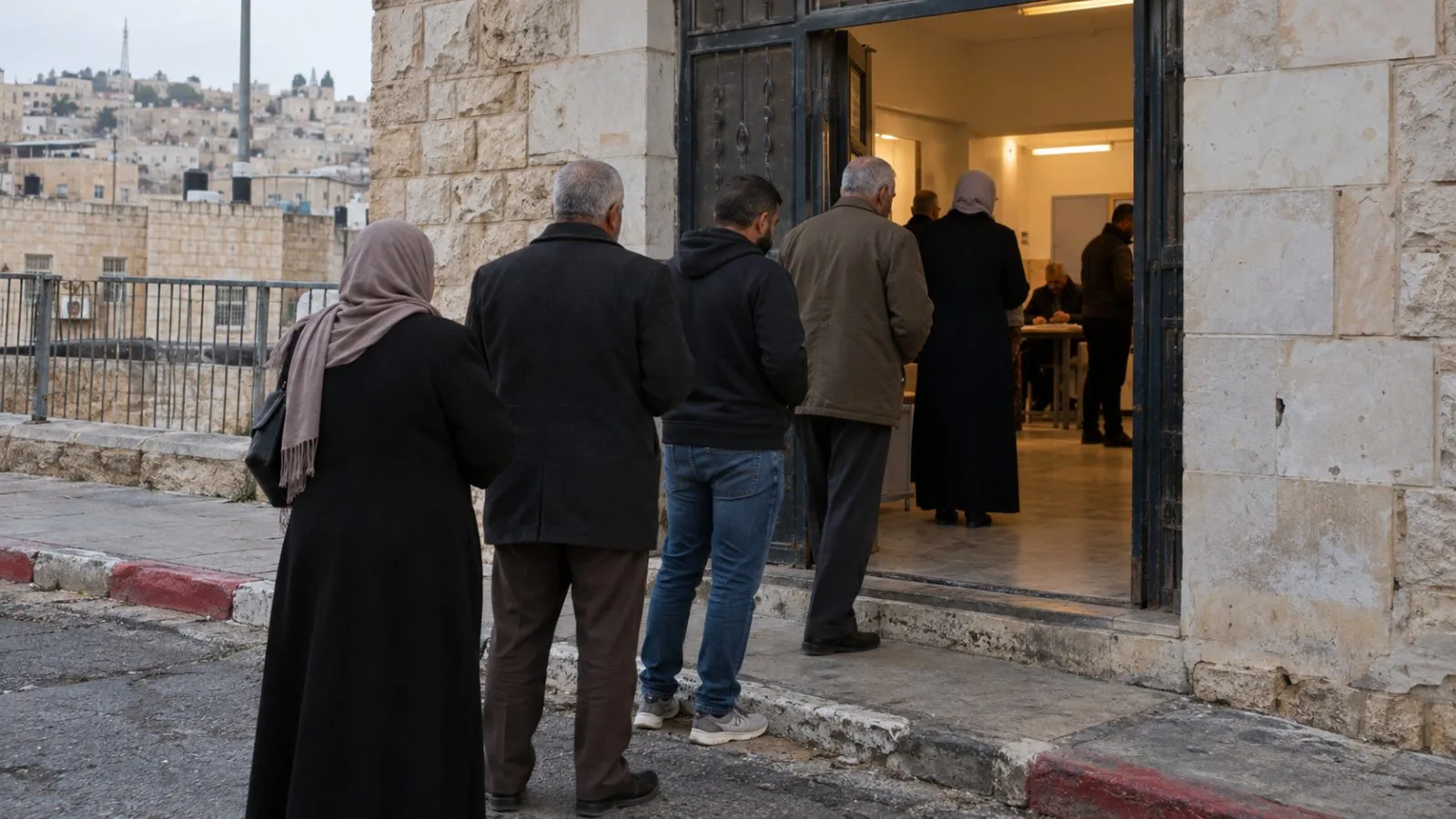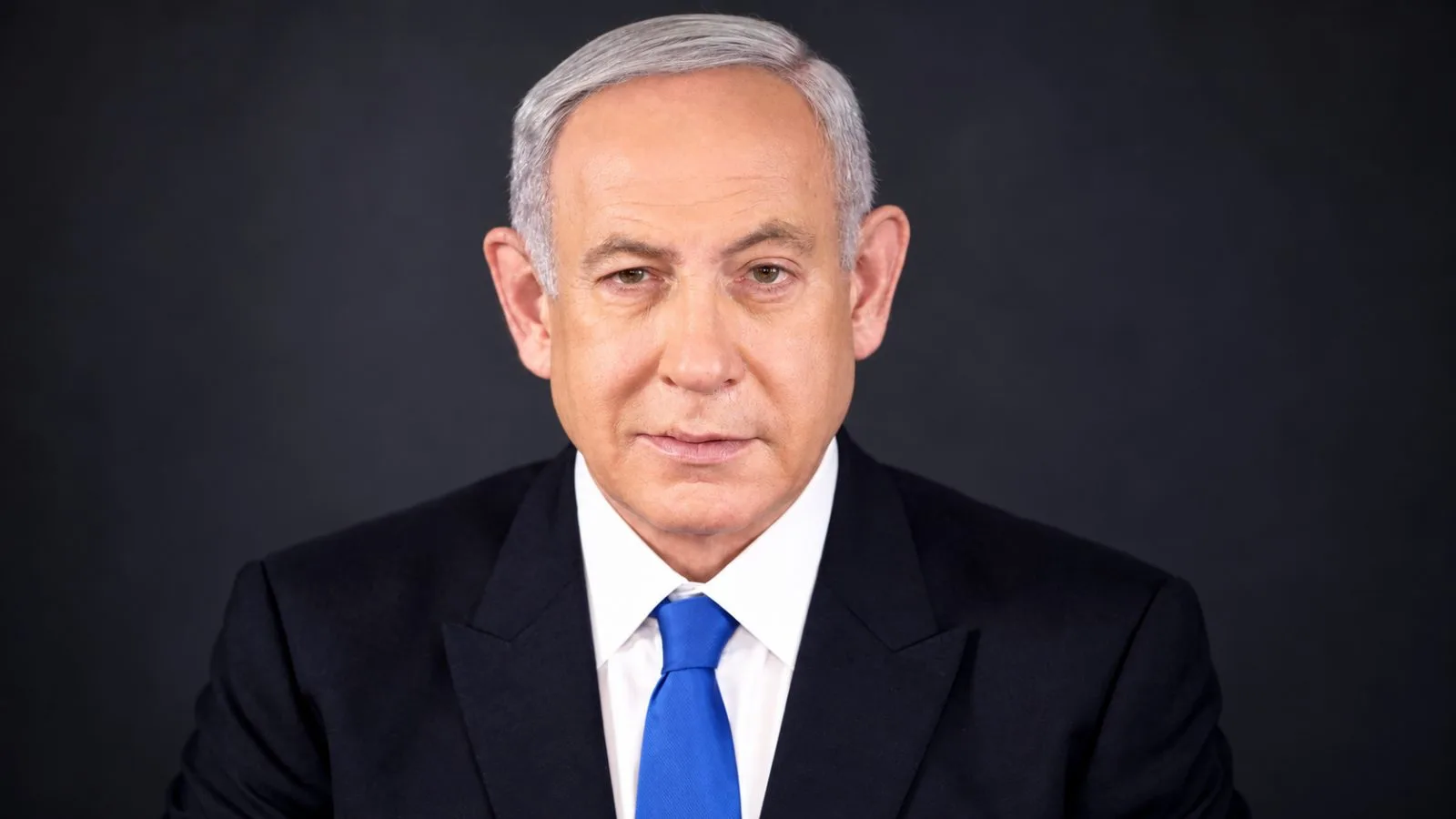
Israel’s preliminary election count left both major blocs below the 61 seats needed to govern, putting coalition negotiations in focus as votes remain uncounted in the 120-seat Knesset.
At the Central Elections Committee (CEC) update at 8:32 a.m. ET (12:32 UTC) Wednesday, Oct. 28, 85.6% of ballots had been tallied. Prime Minister Benjamin Netanyahu’s bloc had 53 seats, while the bloc led by Yashar! leader and former Israel Defense Forces (IDF) Chief of Staff Gadi Eisenkot had 48. Netanyahu’s bloc was eight seats short of a majority; Eisenkot’s was 13 short.
Arab-led parties were projected to win 19 seats combined. The Times of Israel reported that, if the figures hold, the total would surpass their previous high of 15 and could strengthen their leverage in coalition talks.
The Knesset has 120 seats, and a coalition needs at least 61 to form a government.
Eisenkot, 66, entered military service in 1978, served as IDF chief of staff from 2015 until January 2019 and retired after 41 years. He was elected to the 25th Knesset in 2022 and founded Yashar! in 2025, his party’s biography says. An Israel Democracy Institute summary of Yashar!’s registered aims lists national security, regional cooperation, public education, an independent judiciary and military or national service for every citizen.
A United Nations document identifies Eisenkot as an observer in Netanyahu’s War Cabinet; he left the government on June 9, 2024.
In an October interview with The Times of Israel, Eisenkot said the election was “a choice between responsibility and running away from responsibility.” His son, Gal Meir Eisenkot, was killed in northern Gaza on Dec. 7, 2023, the IDF said. Yashar!’s biography also says his nephews Yogev Pazi and Maor Cohen-Eisenkot were killed in the war.
The CEC says final results are due by Nov. 4.