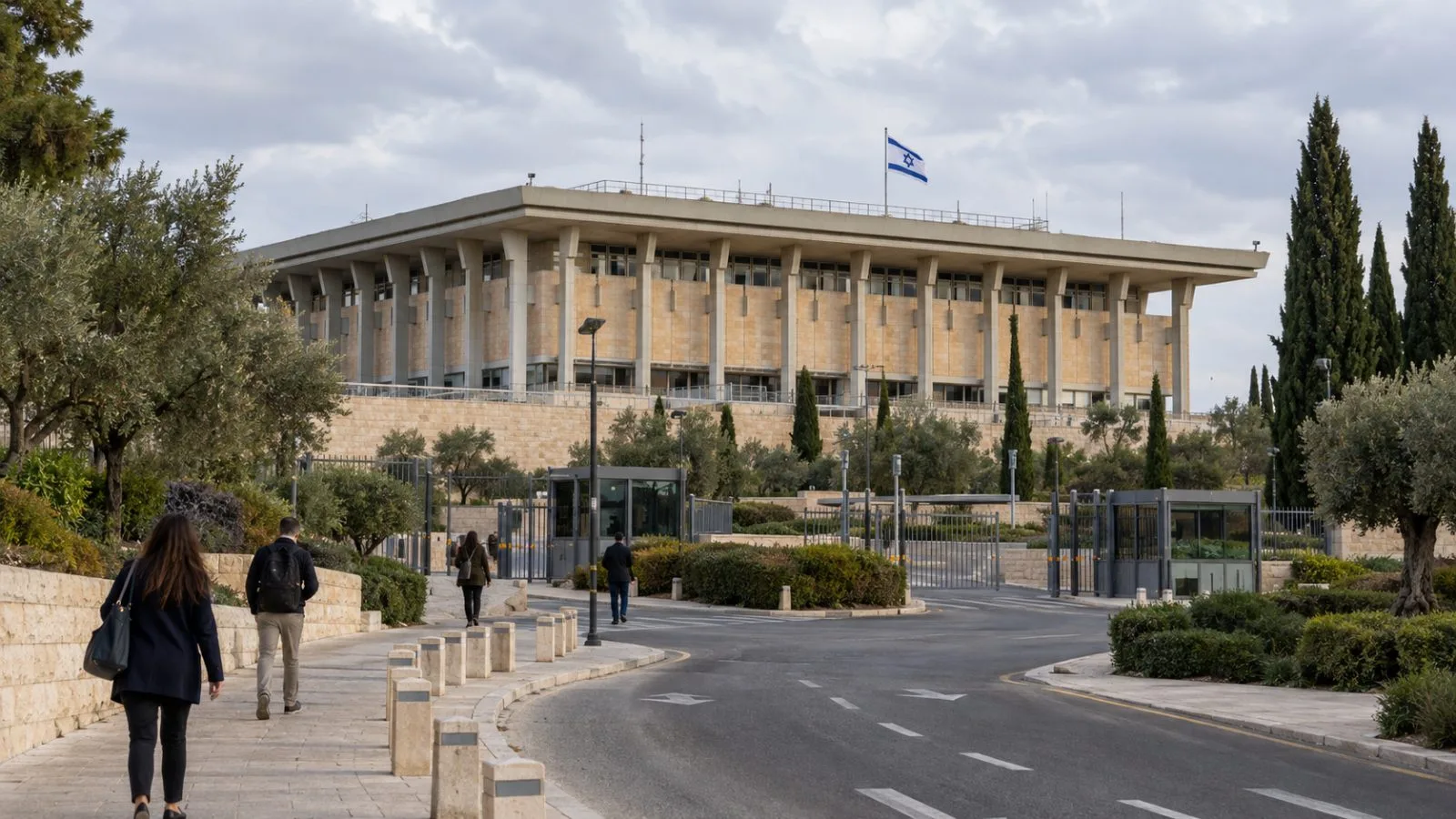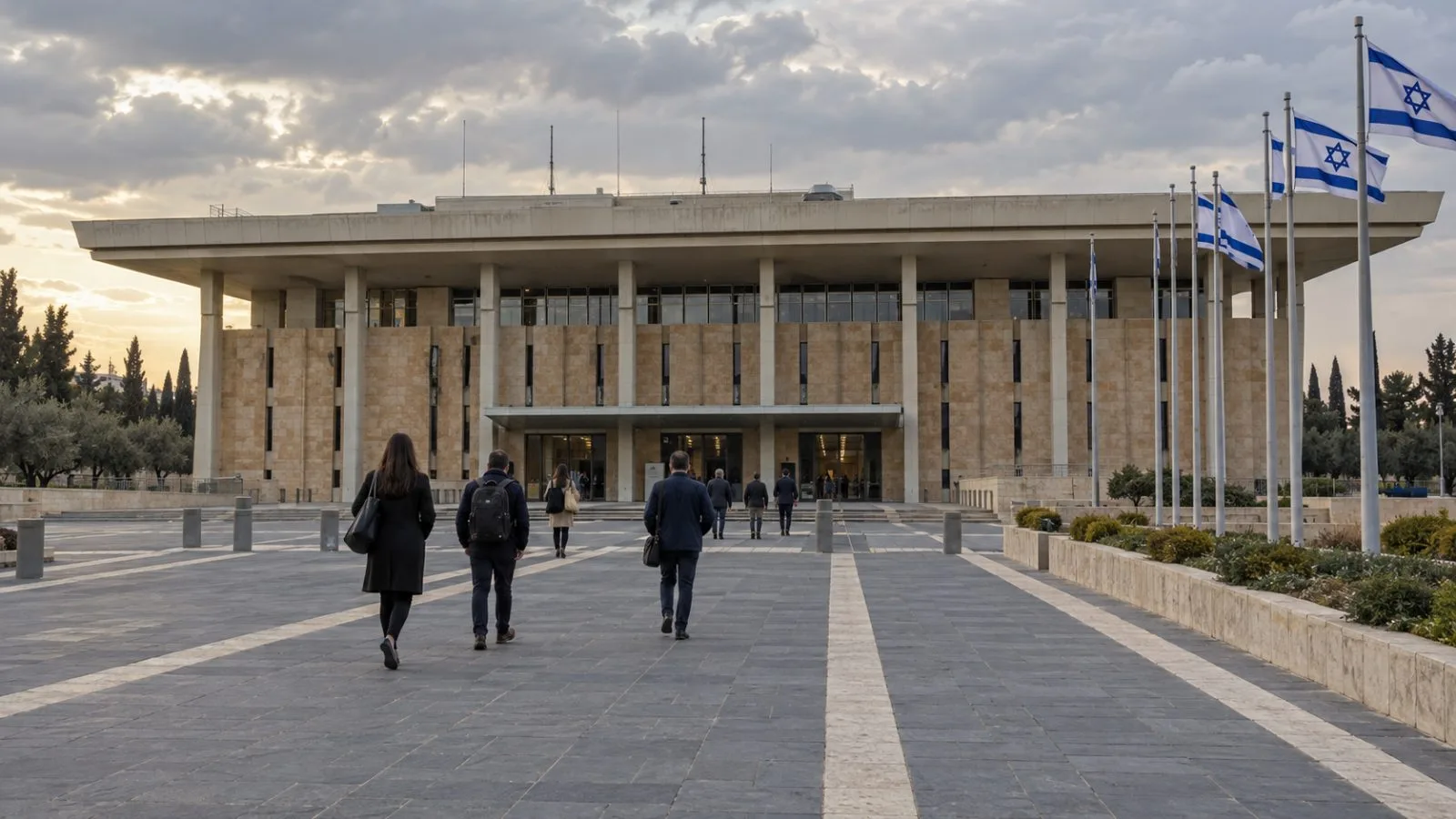
Israelis vote Tuesday, Oct. 27, to elect Israel’s parliament, the Knesset, rather than choose a prime minister directly; the lawmaker who forms a government and wins its confidence will lead it.
The Central Elections Committee lists the contest as the election for the 26th Knesset. The chamber has 120 members, chosen through a nationwide proportional system that allocates seats to party lists, according to the Knesset’s election guide.
A list needs support from at least 3.25% of valid votes to gain seats, the Central Elections Committee says. Votes for lists below that cutoff are set aside before seats are divided, leaving those lists without representation.
A list that misses the cutoff gains no seats, while qualifying smaller parties may still carry weight in negotiations. The Associated Press has noted their potential influence; AP and Reuters have reported that no party has ever won a Knesset majority on its own.
A bloc with 61 seats holds a majority of the full chamber. But the Knesset’s record shows a government approved in 2021 with 60 votes in favor, 59 against and one abstention, illustrating the difference between a majority of all seats and the tally on a confidence vote.
After results are published, the president consults parliamentary groups and assigns a willing Knesset member to try to form a government. Basic Law: The Government requires that first assignment within seven days of publication. The lawmaker then has 28 days to assemble a government; presidential extensions may add no more than 14 days in total.
The member who succeeds heads the government. Before it takes office, the proposed cabinet must explain its program to the Knesset, identify its ministers and their roles, and seek lawmakers’ confidence. EconoTimes previously covered the Oct. 27 election’s coalition dynamics.
Israel previously let voters elect the prime minister directly. The Knesset’s overview of Basic Laws dates the end of that system to 2001, with the change applying from the election to the 16th Knesset.
The Central Elections Committee has scheduled publication of the results for Nov. 4, 2026.