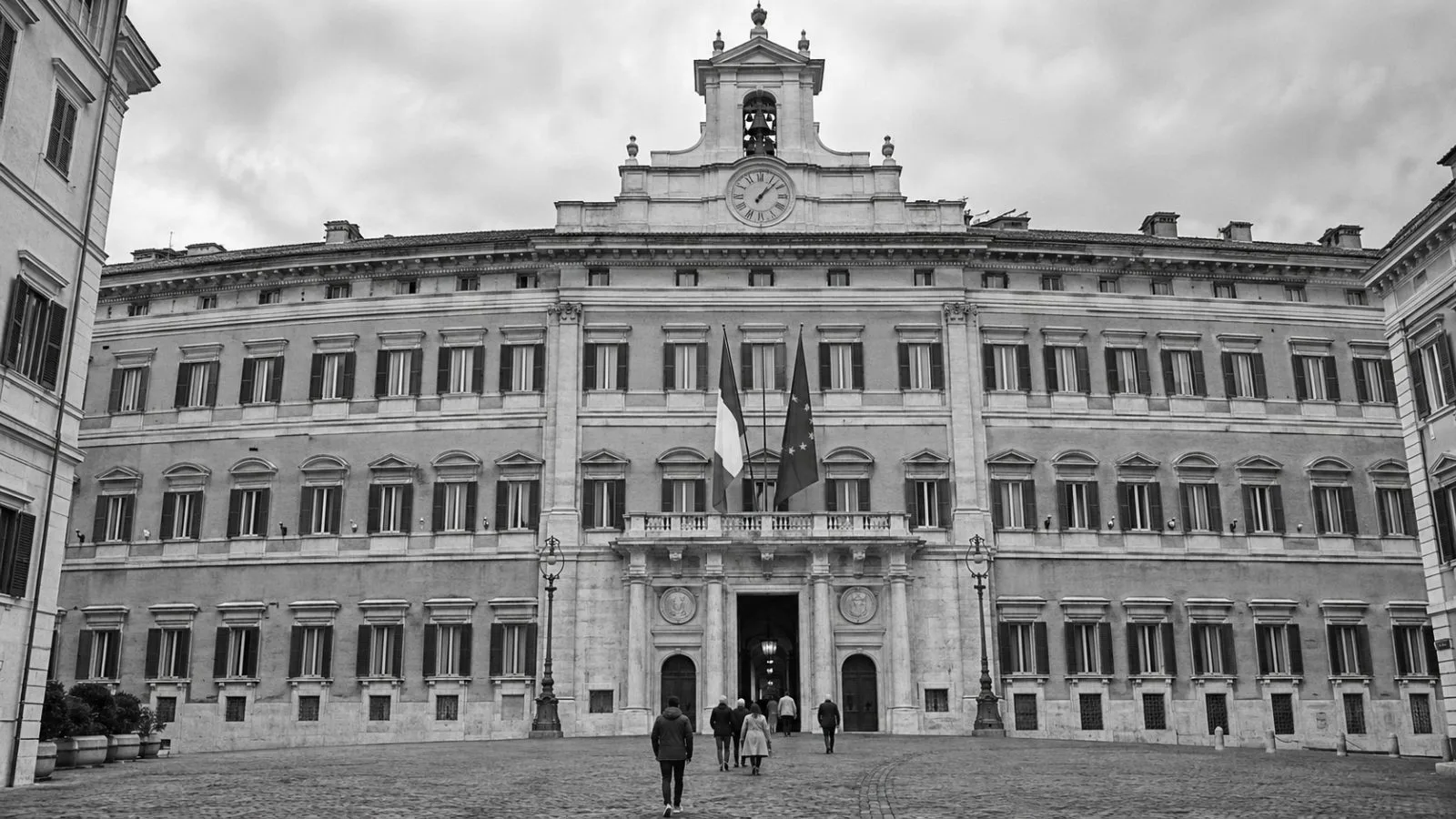
Italy’s Chamber of Deputies approved a bill using the International Holocaust Remembrance Alliance’s (IHRA) definition of antisemitism as a reference for government action, while Amnesty International warns that its application could chill debate about Israel and Palestinian rights.
The final vote on Nov. 17 was 147-93, with five abstentions. The five-article bill separately establishes a national strategy lasting three years, sets out action lines to combat antisemitism and provides for a national coordinator supported by a technical working group. It also requires the state to respect constitutional freedoms.
The IHRA definition includes examples such as denying Jews the right to self-determination, comparing contemporary Israeli policy with Nazi policy, and holding Jews collectively responsible for Israel’s actions. The alliance says the examples require context and that criticism of Israel on terms similar to criticism of other countries should not, by itself, be treated as antisemitic.
The CDEC Foundation’s Antisemitism Observatory classified 963 episodes from 1,492 reports in 2025: 643 online and 320 offline. Its annual tally was 877 in 2024, 453 in 2023 and 241 in 2022. The report does not identify the Observatory’s classifications as police-recorded crime counts.
Amnesty International says the definition could be applied to legitimate criticism of Israeli government policies and expressions of solidarity with Palestinians. Senior Director Erika Guevara Rosas said the measure “heightens the risk of far-reaching forms of censorship and self-censorship.”
Reuters reported that Forza Italia lawmaker Paolo Emilio Russo described freedom of expression and criticism as “a cornerstone of our democracy.”
The Senate’s bill tracker lists the measure as definitively approved but not yet published.