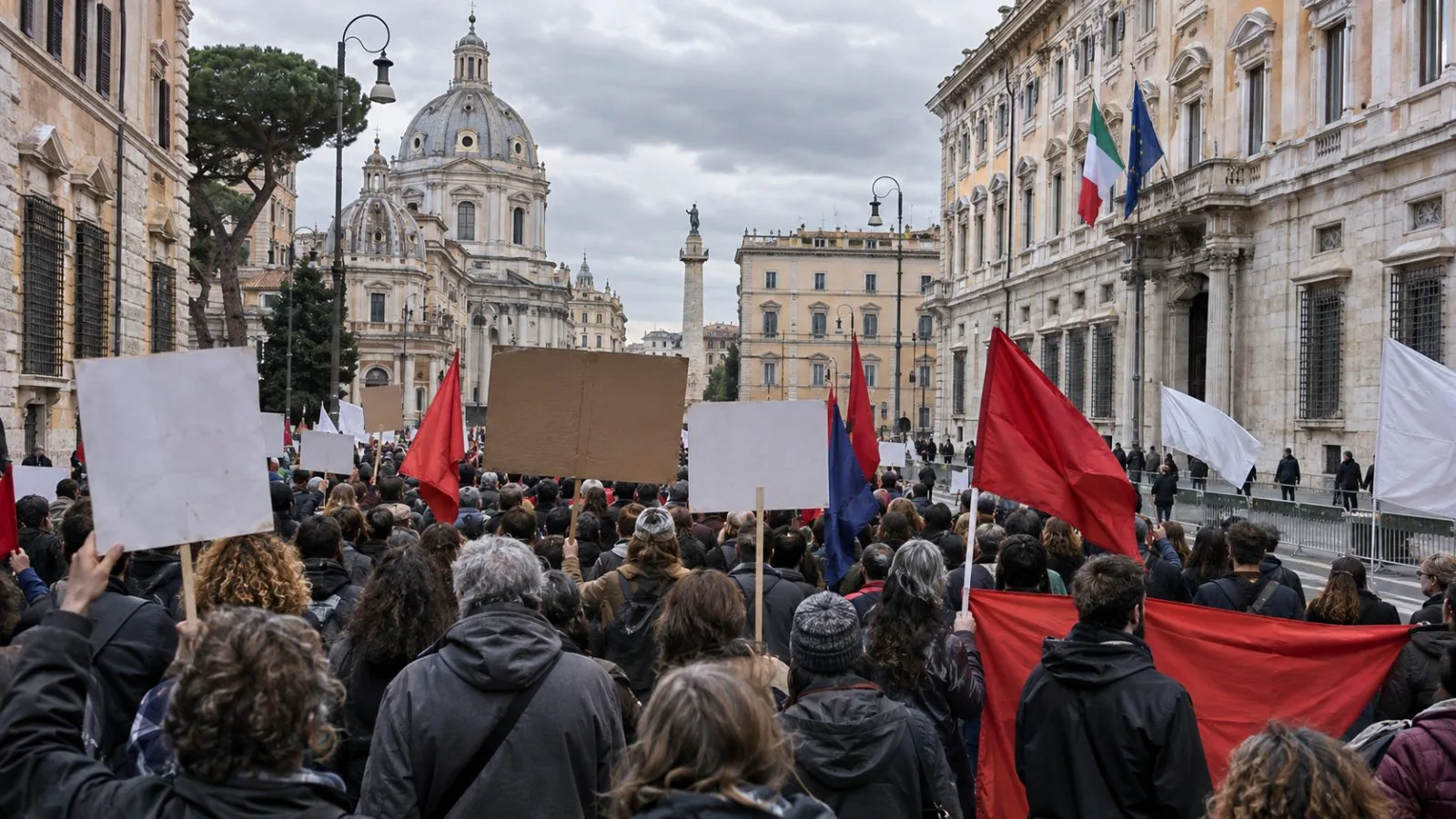
Thousands of students and workers demonstrated across Italy on Friday as the CGIL trade union staged a nationwide strike over wages and public spending, putting pressure on Prime Minister Giorgia Meloni’s government during debate over its 2027 budget.
CGIL, Italy’s largest trade union, is calling for higher pay and renewed labor contracts to help workers recover purchasing power eroded by inflation. The union also wants pensions fully adjusted for inflation and measures to block a higher retirement age.
The general strike covered public and private workplaces, including schools and health care. Air and rail transport were excluded from the general strike, while minimum-service requirements limited its impact on local public transport. A separate rail strike was scheduled to begin at 3 p.m. ET (20:00 UTC) Friday and continue until 2 p.m. ET (19:00 UTC) Saturday.
CGIL leader Maurizio Landini said the demonstrations reflected a broader movement among young Europeans. Student protests were also planned in Germany, France, Britain, Austria and Belgium over living costs and military spending, Reuters reported.
“Today is also a very important day because young people are taking to the streets not just in Italy but across Europe,” Landini said. “Across Europe and among ordinary people, the demand for change is growing.”
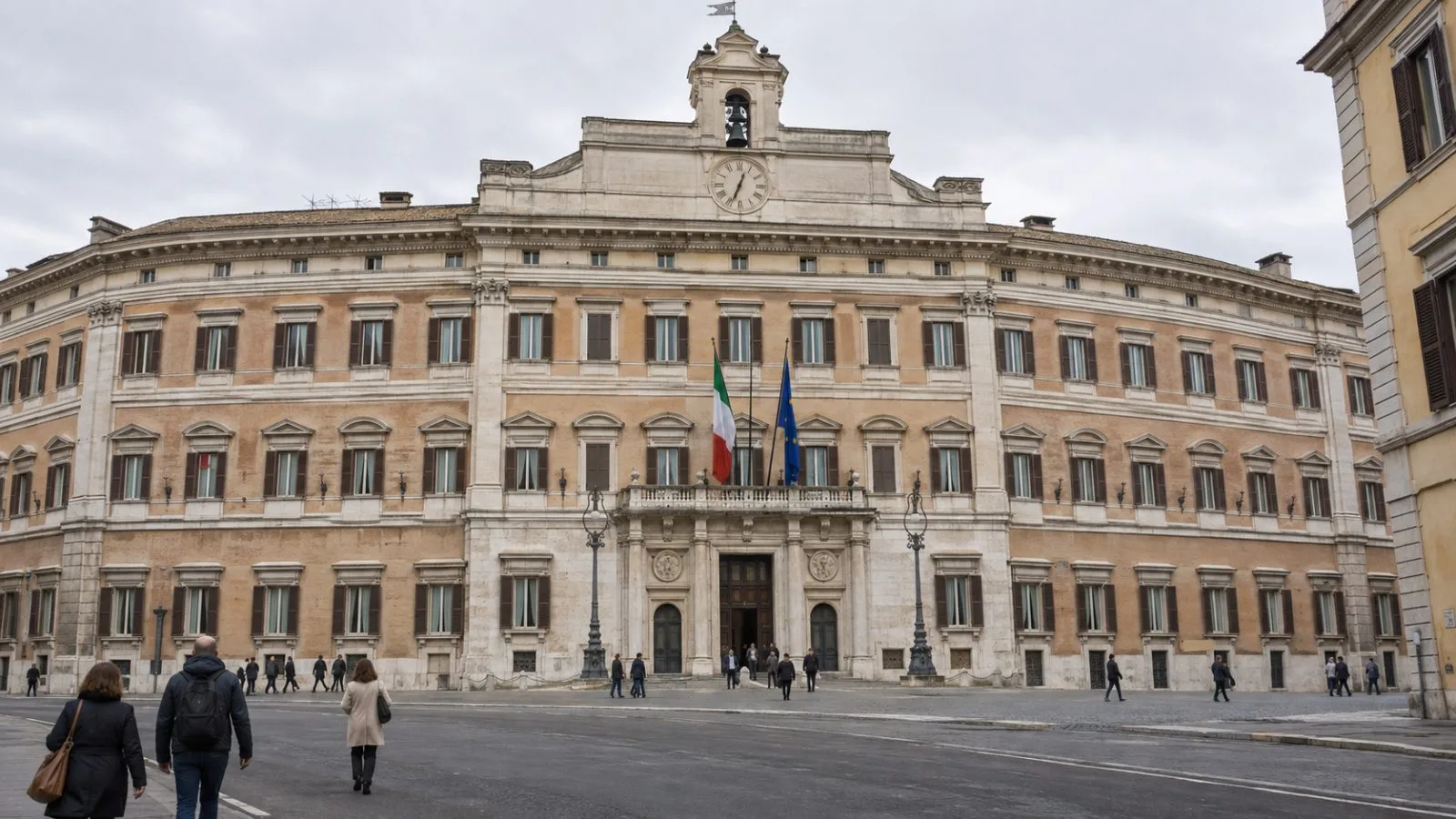
The action came as Parliament examined Meloni’s €26 billion ($30 billion) 2027 budget. CGIL said the proposal did not do enough to support household incomes or public services. Landini said workers needed higher wages, functioning health care and effective schools, adding, “This budget does not address a single one of them.”
Industry Minister Adolfo Urso told Sky TG24 that the strike was “pre-emptive” because Landini had announced it before knowing the budget’s contents. Urso said he respected demonstrators and lawmakers seeking amendments to the plan.
Friday’s action followed an Oct. 30 mobilization in which students and workers demanded more education funding and relief from housing and living costs. Italy is scheduled to hold a parliamentary election in 2027.