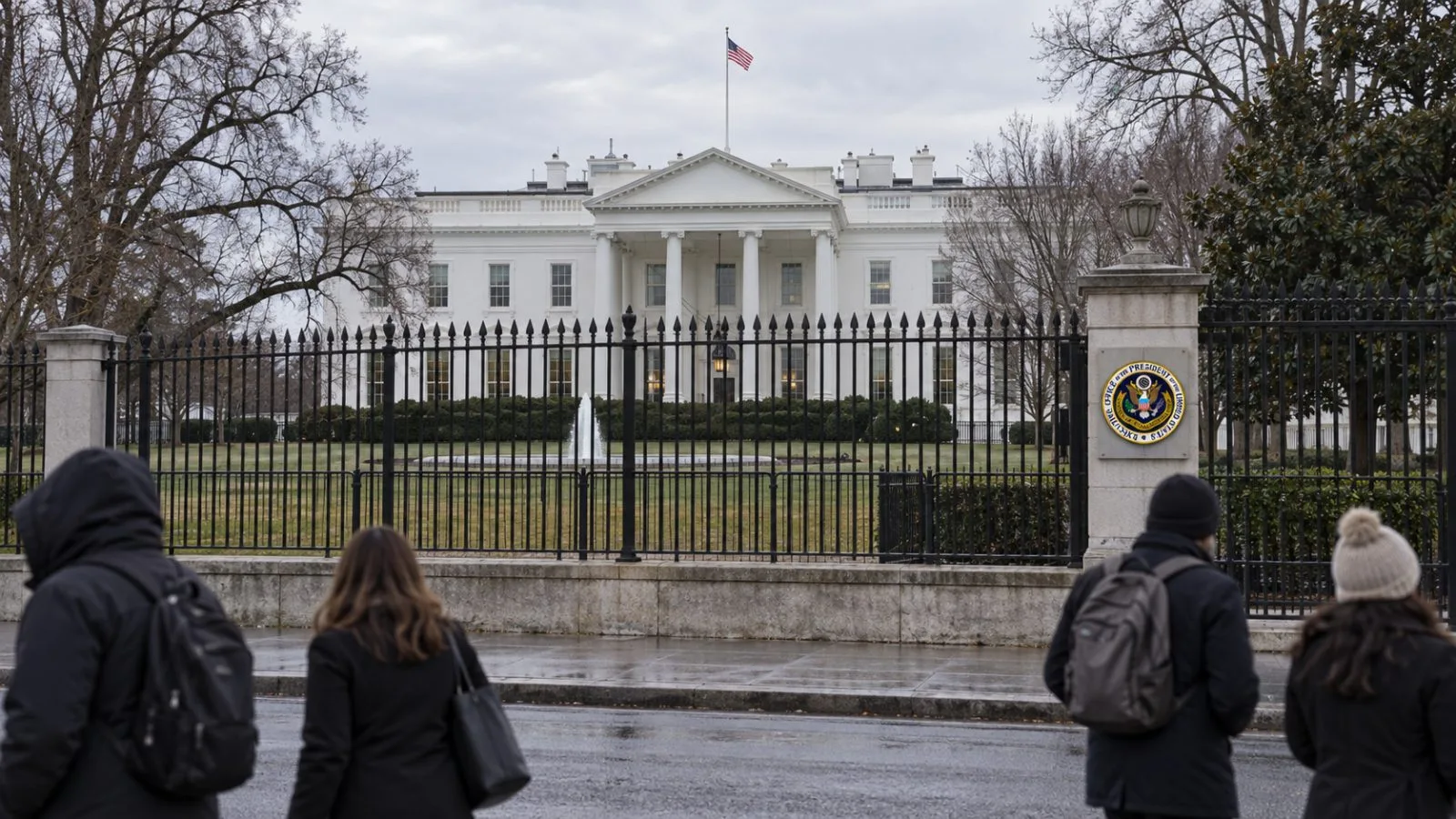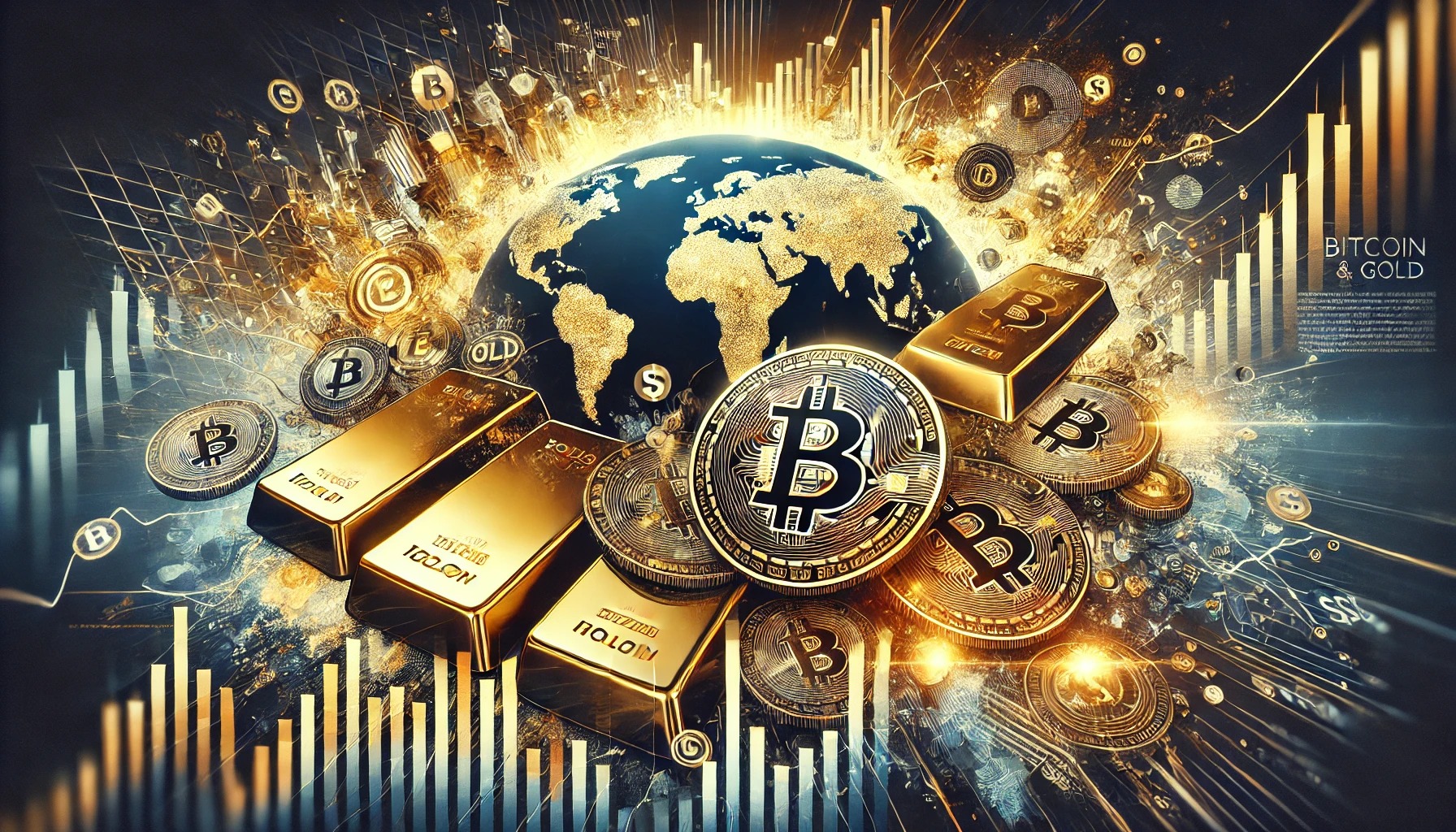
JPMorgan analysts project that rising geopolitical tensions and the upcoming U.S. election will drive a surge in demand for Bitcoin and gold. This shift comes as investors look for alternatives to safeguard their assets against traditional market uncertainties.
Bitcoin and Gold Benefiting from the "Debasement Trade"
The analysts highlight what they refer to as the "debasement trade," a strategy gaining traction as investors seek to protect themselves from economic uncertainties. "Rising geopolitical tensions and the coming U.S. election are likely to reinforce what some investors call the 'debasement trade,' thus favoring both gold and Bitcoin," the bank stated.
Gold’s Notable Performance
Gold has already experienced a significant uptick over the last quarter. By the end of September, its value neared $2,700 per ounce, driven by several key factors. A weakening U.S. dollar, which depreciated by around 4-5% during the same period, and declining real bond yields have supported gold’s rise. However, JPMorgan notes that the metal's appreciation exceeds what could be solely attributed to these economic shifts, suggesting that concerns over geopolitical issues play a critical role in its growing demand.
Bitcoin as a Hedge Against Traditional Currency Risks
Similar to gold, Bitcoin is increasingly seen as a hedge against traditional currency risks. JPMorgan analysts predict that Bitcoin will benefit from the same economic and geopolitical forces propelling gold's value. They highlight growing fears of "debt debasement" fueled by persistently high government deficits in major economies, pushing investors to seek alternatives beyond fiat currencies.
This broader transition away from traditional currencies is especially prevalent in emerging markets, where confidence in fiat money has significantly decreased.
Investors Seek Hedges Against Geopolitical Uncertainty
JPMorgan’s analysis further underscores that demand for gold and Bitcoin is set to rise as investors search for robust hedges against "catastrophic scenarios" amid geopolitical uncertainty and economic instability. These assets are expected to provide protection and serve as a safeguard during periods of heightened market volatility.
With the ongoing focus on the "debasement trade," JPMorgan forecasts that Bitcoin and gold will remain attractive options for investors seeking to diversify their portfolios and safeguard against potential market disruptions.
Conclusion
As geopolitical tensions continue to escalate and the U.S. election approaches, JPMorgan’s insights suggest a significant opportunity for growth in the demand for Bitcoin and gold. Both assets are well-positioned to serve as hedges against currency debasement and market instability, making them strong contenders for investors looking to navigate uncertain economic landscapes effectively.