Bonds offer investors protection against technology risks as artificial intelligence moves from development into wider use, Karen Ward, chief market strategist at JPMorgan Asset Management, said in an interview.
Ward said opportunities were spreading beyond companies building the technology to businesses adopting it, including financial and industrial companies. She described that shift as an investment opportunity that markets had yet to fully price in.
Speaking on Bloomberg Television's The Pulse, published Nov. 10, Ward rejected the idea that the U.S. midterm elections would sharply constrain construction of data centers that support artificial intelligence.
Policymakers had spent the past decade seeking productivity gains, giving them a reason to support the technology's expansion. She said the political concerns would not prevent her from buying after a market decline.
“I don't think it's going to be policymakers that impede the rollout of AI,” Ward said. She described the election concerns as “noise.”
Her confidence about policy did not remove questions about the business itself. Developing the technology had been the exciting and comparatively easy stage, while putting it to use would test demand and customers' willingness to pay.
The transition would also make differences between companies more apparent. Investors needed to examine their exposure to individual businesses and whether they had concentrated too much money in one part of the industry.
“Most importantly, now turn our attention to who are going to be the beneficiaries, who are going to be the users of that technology,” Ward said.
She agreed that attention could move from chips and hardware toward software, but said the opportunity extended further. Her firm's work on its investment outlook included examining companies outside the technology sector.
Europe was well placed to benefit from businesses adopting artificial intelligence, she said. She did not name individual companies or give a timetable for that investment opportunity.
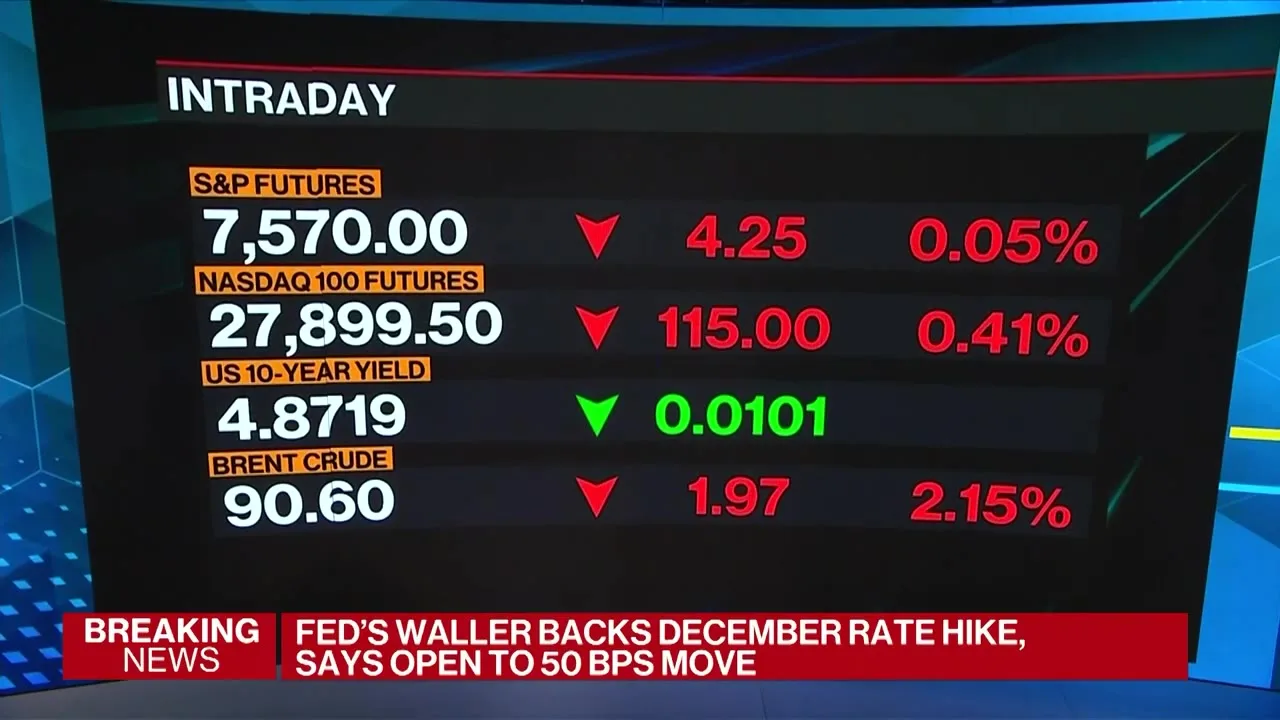
Turning to bonds, Ward said lower oil prices could ease inflation concerns and make central banks' public messages more supportive. She expected recent tough language on interest rates to prove a warning rather than the beginning of another cycle of increases.
Markets had become nervous about that possibility four or five weeks earlier, she said. Oil was one of the figures that could influence the policy outlook.
Ward also said bonds had provided protection during recent technology volatility, supporting their place in portfolios holding different types of investments. “They are our best insurance policy,” she said, referring to uncertainty about next year.