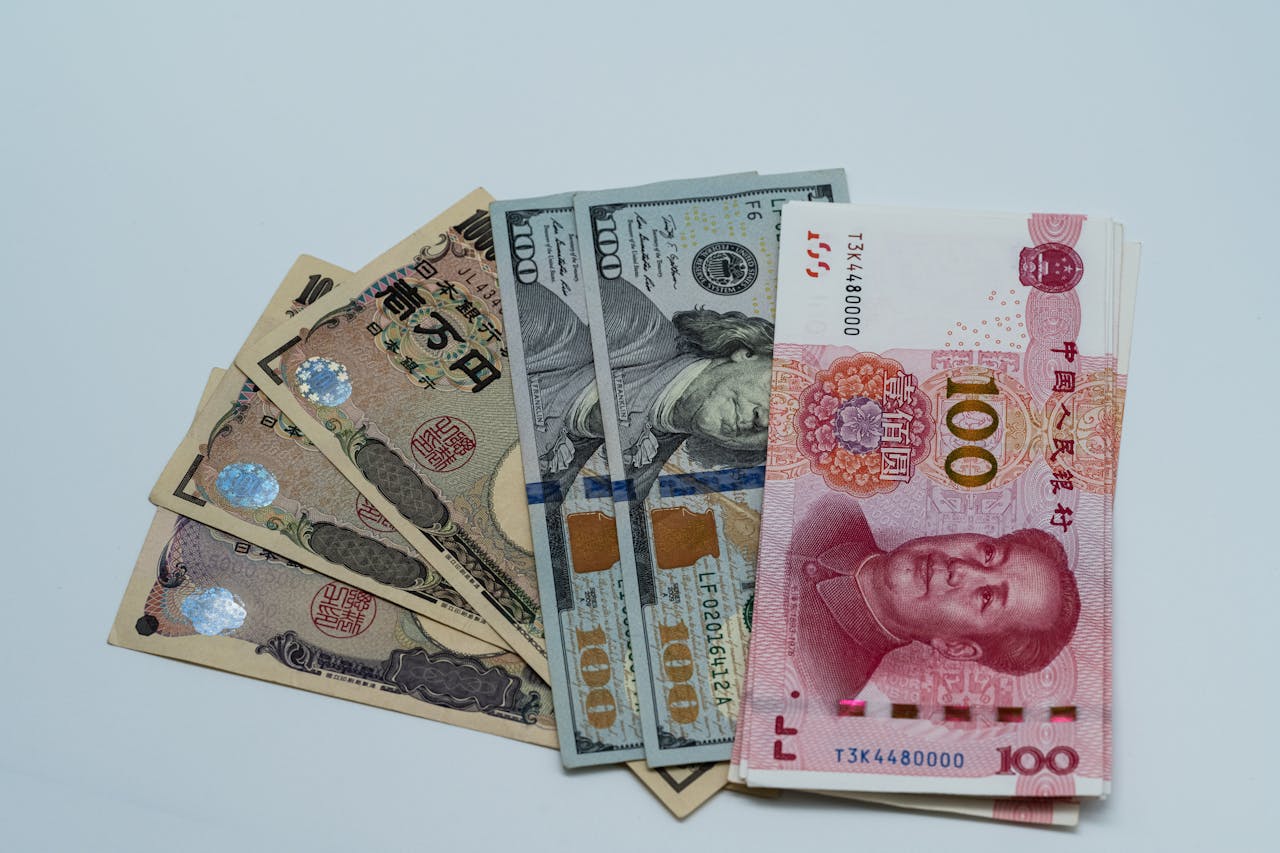
Japan’s benchmark government bond yields climbed above 3% on Tuesday for the first time since September 1996, as investors weighed persistent inflation, growing fiscal concerns and expectations for further interest rate hikes from the Bank of Japan (BOJ).
Japanese bond yields rose about 2% to slightly above the 3% threshold, extending the sharp increase recorded throughout much of August. The benchmark rate has now more than tripled from its 2024 levels, when the BOJ began moving away from decades of ultra-loose monetary policy.
The latest rise in Japan bond yields has been driven largely by concerns that inflation could remain elevated. Higher energy import costs stemming from the U.S.-Iran conflict have added to price pressures in an economy that relies heavily on imported fuel.
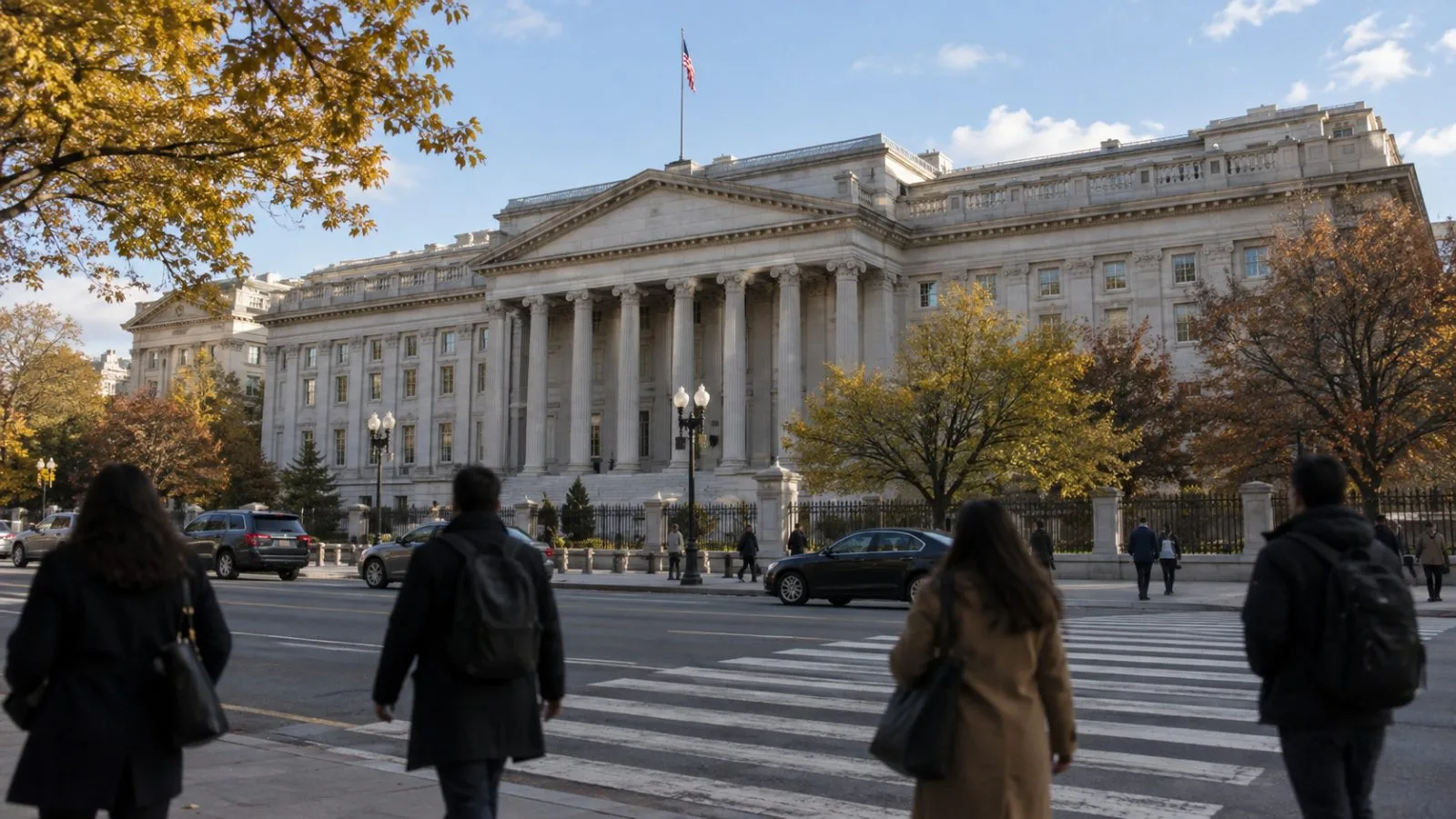
Expectations for another BOJ rate hike are also strengthening. Investors increasingly believe Japan’s central bank will need to tighten monetary policy further to contain inflation. U.S. Treasury Secretary Scott Bessent recently added to the debate by urging Japanese authorities to consider stronger fiscal discipline and higher interest rates.
Fiscal policy has emerged as another major concern for the Japanese bond market. Prime Minister Sanae Takaichi has proposed additional government spending alongside tax cuts, policies that could increase borrowing requirements and put further pressure on Japan’s already strained public finances.
Rising Japanese government bond yields are also part of a broader global trend. Sovereign borrowing costs have moved higher across several developed economies as investors respond to persistent inflation and elevated government spending in the United States and Europe.
The surge in yields could increase financing costs for Japan and complicate the BOJ’s efforts to normalize monetary policy without destabilizing financial markets.
Meanwhile, the U.S. Treasury has taken steps to ease pressure in its own bond market, effectively doubling the pace of shorter-term Treasury buybacks in an effort to improve market conditions and contain borrowing costs.