


 Oil Prices Fall as Russia Signals Higher Diesel Exports
  Wall Street Ends Mixed as Investors Await CPI and Bank Earnings
  Global Stocks Mixed as Oil Falls Ahead of US Earnings
  Oil Prices Surge Above $106 After Deadly Saudi Airport Attack
  Philippines Current Account Deficit Seen at $19.1 Billion in 2026
  European Auto Stocks Rise as EU-China Trade Deal Targets Hybrid Imports
  US Dollar Rises for Fourth Week as Fed Rate Hike Bets Grow
  Bank of America Predicts Yen Rebound as USD/JPY Faces Risks
  Trump Secures Russian Diesel Deal as US Fuel Prices Surge
  IMF Maintains 2027 Global Growth Forecast at 3.4% Amid Rising Risks
  European Stocks Rise as Oil Prices Fall Ahead of US CPI
  Asian Currencies Steady as Dollar Nears 18-Month High Ahead of US CPI
  Gold Prices Rebound as Dollar Weakens Ahead of US Inflation Data
  Asian Stocks Plunge as AI Chip Selloff Hits South Korea and Japan
  S&P 500 Rally Masks Losses for Over 40% of Stocks in 2026


 Add as a preferred source on Google
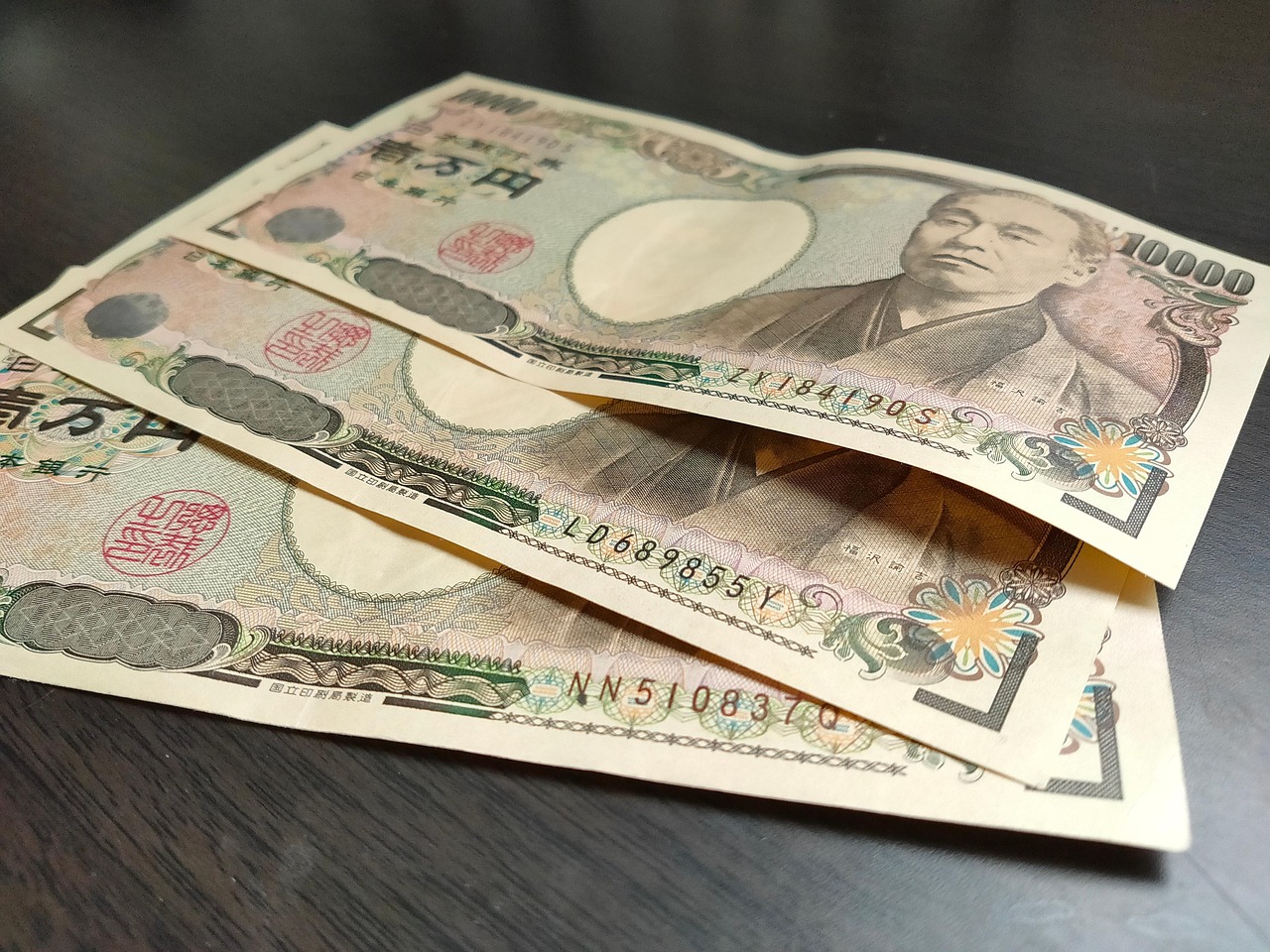
Japan is exploring an unconventional strategy to halt the yen's ongoing decline — directly intervening in global crude oil futures markets. The proposal, first reported by Reuters, signals Tokyo's growing frustration as traditional policy tools fail to contain rising inflation and persistent currency weakness.
Under the plan, Japan would leverage its massive $1.4-trillion foreign exchange reserves to build short positions in oil futures, effectively selling contracts to drive energy prices lower. The logic is straightforward: by reducing dollar demand tied to oil purchases, Japan hopes to ease downward pressure on the yen. Lately, rising oil prices driven by Middle East tensions have moved in lockstep with a stronger dollar, compounding the yen's troubles.
Japanese law permits the use of foreign exchange reserves to take futures positions when the stated goal is yen stabilization, giving the plan a legal foundation. Finance Minister Satsuki Katayama has already shifted her tone, pointing to speculative activity in oil markets — rather than currency trading — as a key culprit behind the yen's slide, hinting that more creative government intervention may be on the horizon.
Despite the bold thinking, analysts remain deeply skeptical. Critics argue that financial tools alone cannot resolve a physical oil supply disruption, and that any price impact would be short-lived without coordinated international action and real barrels entering the market. Some estimates suggest Japan would need to deploy $10 to $20 billion just to register a noticeable effect — and even then, maintaining large short positions carries significant financial risk if oil prices keep climbing.
The United States has reportedly weighed similar measures, though no decision has been finalized. For now, Japan's oil futures strategy appears to be more of a stopgap — a way to buy time while hoping Middle East tensions ease and global energy markets stabilize.







