Japan’s manufacturing sector maintained strong momentum in June, supported by the fastest rise in new orders in more than four years, even as businesses continued to face mounting cost pressures linked to the ongoing Iran war.
According to the latest S&P Global Flash Japan Manufacturing Purchasing Managers’ Index (PMI), the manufacturing PMI increased to 54.9 in June from 54.5 in May. The reading approached April’s 55.1 level, which represented the strongest expansion since January 2022. A PMI figure above 50 signals growth, while a reading below 50 indicates contraction.
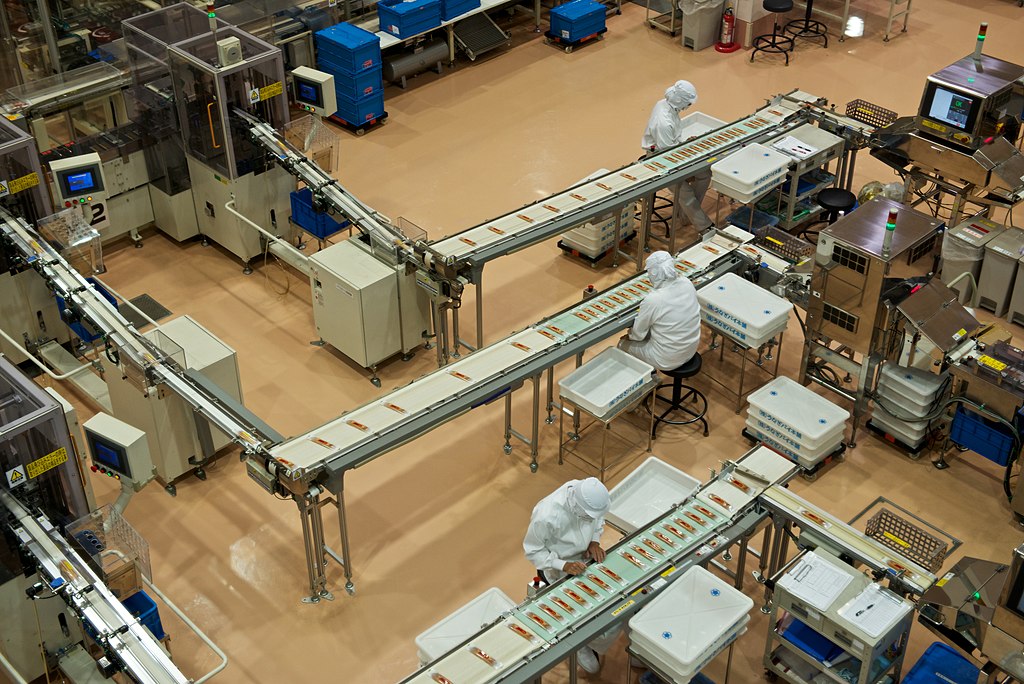
Factory production expanded at a slightly faster pace during the month, while new orders recorded their strongest increase in over four years. Survey data indicated that many customers accelerated purchases and built inventories amid concerns about potential supply chain disruptions and future price hikes caused by geopolitical tensions in the Middle East.
Although export demand remained positive, the pace of growth in new export orders slowed slightly from May, when overseas demand had reached its strongest level in five years.
Input costs and selling prices eased marginally but remained close to their highest levels since late 2022. Manufacturers reported rising expenses for energy, fuel, and raw materials, reflecting the continued impact of the Iran war on global commodity markets.
Employment in Japan’s manufacturing industry also strengthened, with companies increasing hiring at the fastest rate in more than eight years to meet growing demand.
Meanwhile, Japan’s services sector returned to growth after stagnating in May. The flash services PMI climbed to 51.8 in June from 50.0, supported by stronger domestic demand despite a decline in foreign business activity.
The flash composite PMI, which combines manufacturing and services activity, rose to 52.5 from 51.1 in May, highlighting broader economic expansion.
Annabel Fiddes, Economics Associate Director at S&P Global Market Intelligence, noted that Japan’s overall business activity improved despite the Middle East conflict. However, she cautioned that part of the recent growth has been driven by precautionary stockpiling, a trend that may weaken in the coming months as geopolitical uncertainties evolve.