Oil prices climbed on Monday as uncertainty over the reopening of the Strait of Hormuz continued to support the market, despite Iran and Oman moving closer to an agreement on new shipping routes through the strategic waterway.
Brent crude futures gained 84 cents, or 1%, to $84.39 per barrel by 0424 GMT. U.S. West Texas Intermediate (WTI) crude rose 60 cents, or 0.75%, to $78.77 per barrel.
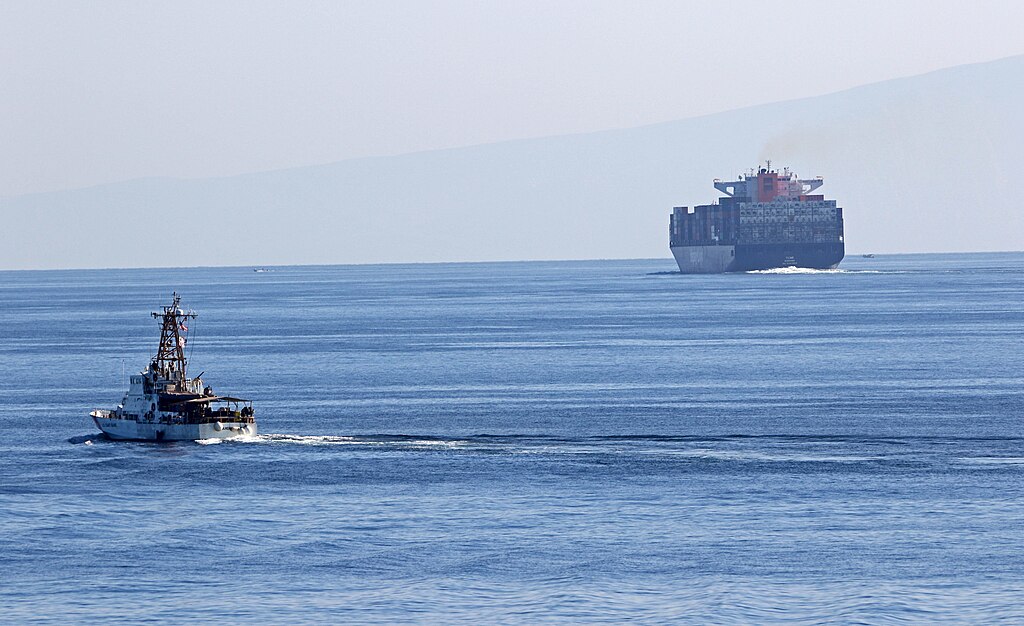
The gains followed a sharp decline last week, when both oil benchmarks dropped more than 7%. Prices had come under pressure amid expectations that Iran and Oman were nearing a deal that could pave the way for the Strait of Hormuz to reopen. Before the war, the crucial shipping route handled roughly one-fifth of global oil supplies.
Iran said Sunday that its agreement with Oman had entered the "final stages." However, Tehran maintained that reopening the Strait of Hormuz would depend on Washington meeting additional conditions, including compensation for U.S. attacks on Iran.
Sugandha Sachdeva, founder of New Delhi-based research firm SS WealthStreet, said crude oil prices remain influenced by competing factors as traders weigh the prospects of progress over Hormuz against Iran's demands for restoring shipping access.
Iranian Foreign Minister Abbas Araqchi also said Tehran and Washington are not currently holding talks. According to Araqchi, Iran will not begin negotiations while the U.S. remains in breach of an interim agreement signed in June.
Geopolitical risks are adding further uncertainty to the oil market. Iran-aligned Houthis said they struck Saudi Aramco's Jazan refinery on Sunday. The reported attack followed Saudi Arabia's signing of a defence pact with Turkey and Pakistan amid escalating regional tensions linked to the U.S.-Israeli conflict with Iran.
Meanwhile, the United Arab Emirates' ADNOC said Friday that 15 of its vessels had been attacked while crossing the Strait of Hormuz since the conflict began.
Oil markets are likely to remain sensitive to developments in the region. A return to unrestricted shipping through Hormuz could push crude prices lower, while stalled negotiations or fresh supply disruptions could quickly increase the geopolitical risk premium and drive oil prices higher.