Director of National Intelligence Jay Clayton told CNBC Friday that artificial intelligence magnifies existing cybersecurity risks in U.S. digital infrastructure tied to critical systems for public goods, national defense and global communications.
Clayton described commercial and state-sponsored espionage as “realities” and urged companies and government agencies to remain vigilant.
Clayton told CNBC the case pointed to efforts to overtake or keep pace with U.S. AI leadership. Prosecutors allege that former OpenAI employee Abdulrahman Alfozan, a Saudi national, put a recording device in a conference room used by an OpenAI executive. The federal case concerns an alleged interception of oral communications; no espionage charge has been filed against him.
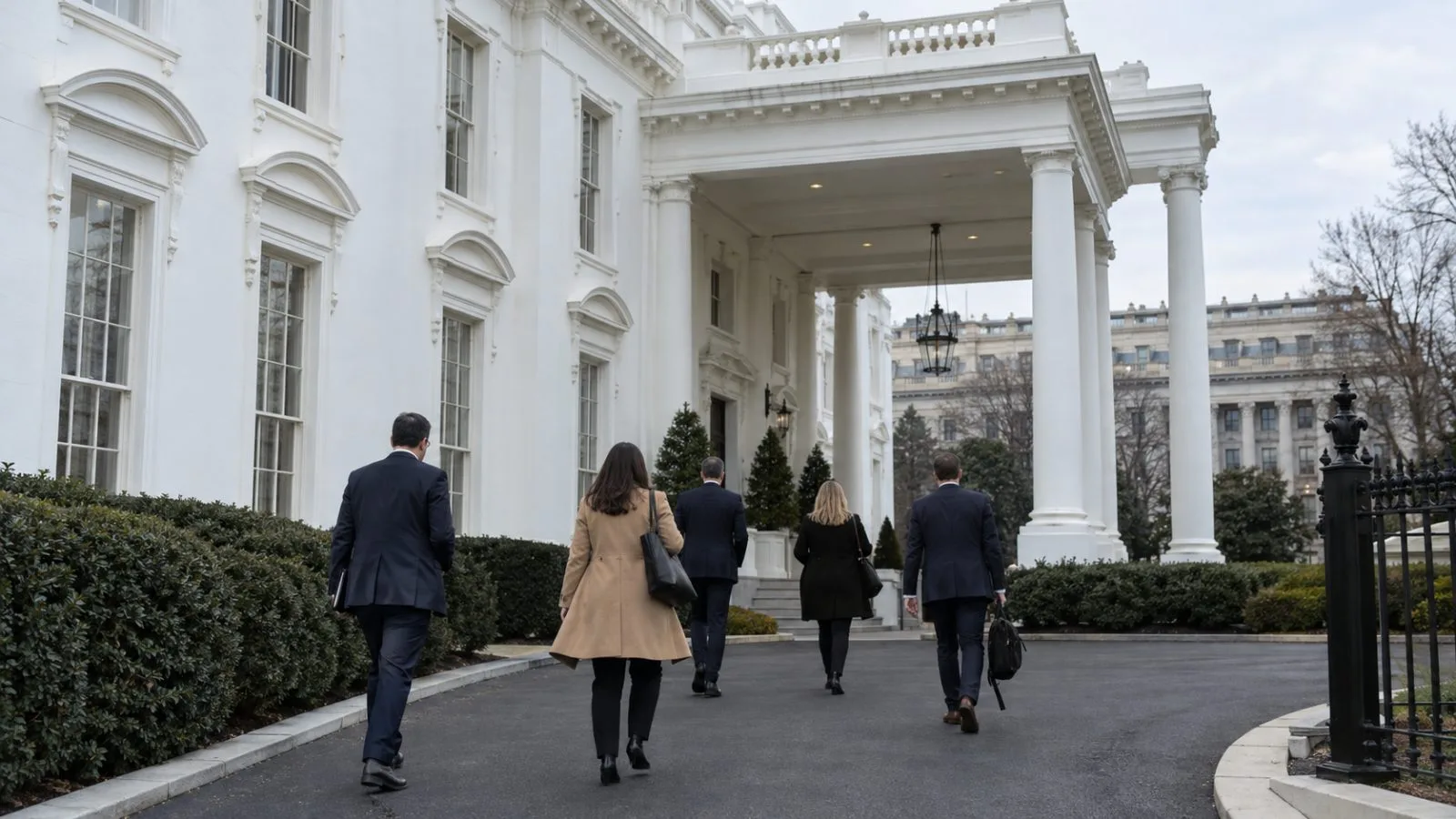
Clayton told CNBC that the White House AI task force he leads established three subcommittees during its first meeting Thursday. Their remits span coordination with private companies on critical infrastructure, reporting and response, and law enforcement and responsibility.
An agreement signed by President Donald Trump and technology leaders at the White House last month underpins the task force’s work. The accord sets out industry pledges to police AI risks; Trump described those commitments as morally binding.