GF Securities analyst Jeff Pu has put SpaceX’s potential orbital AI capacity at 5 gigawatts by 2028, but the rack power figures in his forecast yield a lower total.
SpaceX has not announced a 5-GW orbital capacity target. In its prospectus, SpaceX said orbital AI computing had not been proven at commercial scale and that the project's timeline and required launch cadence could be difficult or impossible to determine. SpaceX has said the project could expand computing capacity beyond constraints on power available to ground-based data centers.
In a Nov. 10 post, Pu based his 5-GW estimate on about 10,000 Kessel racks. At the 350 to 400 kilowatts of peak power he assigned each rack, 10,000 would total 3.5 to 4 GW. His stated average of 280 kilowatts per rack would produce 2.8 GW. The 5-GW forecast remains unreconciled with those figures.
Pu describes each rack as carrying 72 NVIDIA Rubin graphics processors. His proposed cooling system would circulate liquid and release heat through exterior radiators. He expects suppliers to increase output from the second half of 2027 into 2028.
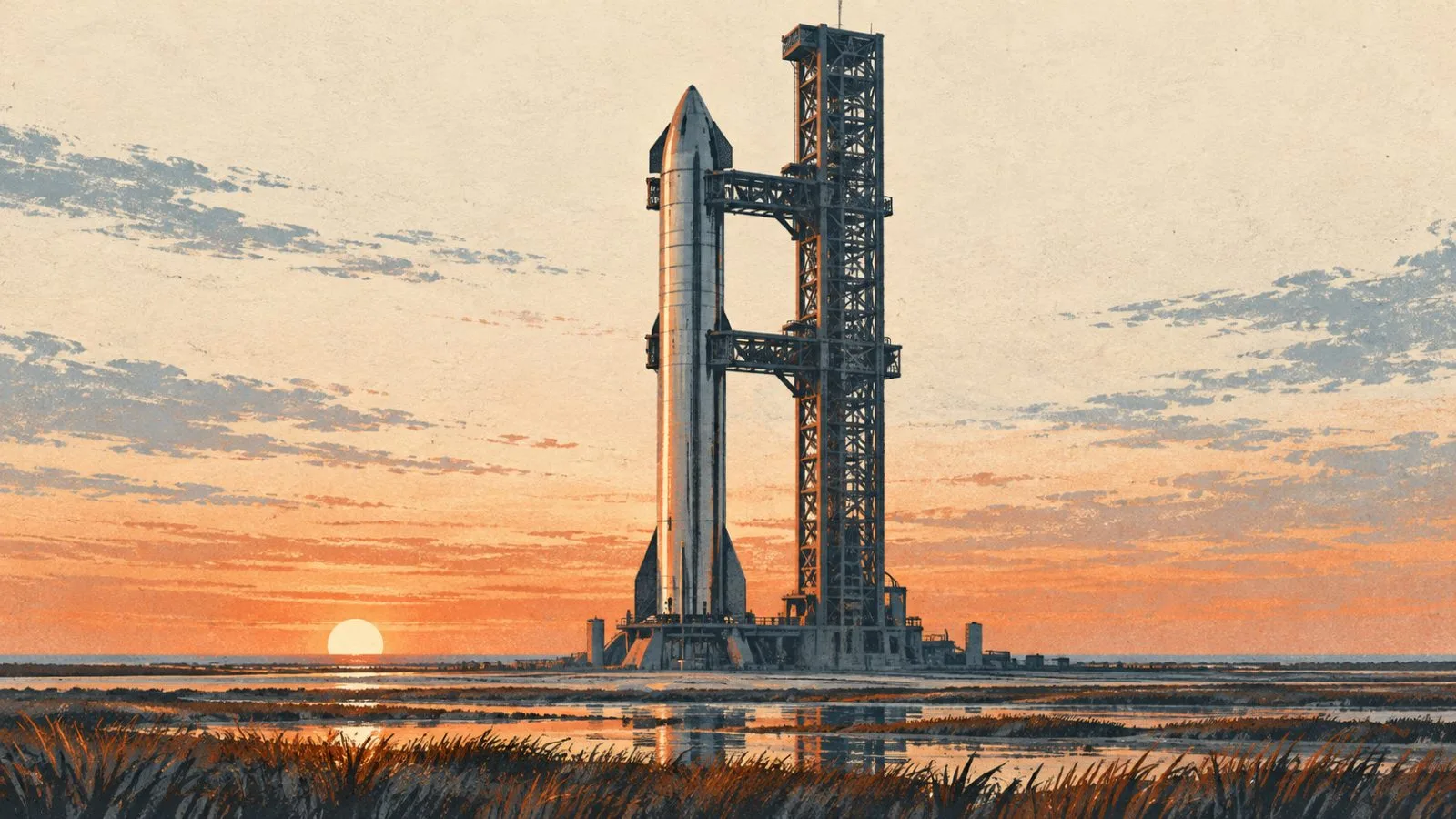
Pu’s scenario also calls for four operating Starship launch pads by the end of 2027 and two launches a week during that year’s second half. Those are his projections, not SpaceX commitments.
Research newsletter FUNDA reported a SpaceX order for 6,000 racks in 2027 that remains unverified. Assuming an average of 175 kilowatts per satellite, FUNDA calculated potential capacity of 1.05 GW if that batch is deployed. It separately called roughly 1 GW operating in orbit by the end of 2028 an optimistic case.
SpaceX’s existing capacity is measured on the ground. A company filing recorded 1.7 GW of installed data-center nameplate compute capacity at Sept. 30, up from 0.6 GW a year earlier, as detailed in EconoTimes’ coverage of SpaceX’s capital spending. Neither figure measures orbital capacity.
FUNDA expects the manufacturer to complete new-product introduction in May 2027 and finish production in December 2027. Both milestones are the newsletter’s projections.