


 IMF Warns US Debt Crisis Needs Fiscal Action, Urges China to Boost Consumption
  North Korea Fires Ballistic Missiles Amid Rising Tensions With South Korea
  India Voter List Protests Reach Supreme Court as Opposition Demands Election Chief's Resignation
  Trump Confirms US Intelligence Sharing With Ukraine Amid Russian Strikes
  Jordan Bardella Antisemitism Allegations Threaten Le Pen’s Campaign
  Kim Jong Un Showcases ICBM Ahead of Possible Trump Meeting
  Trump Denies China, Russia Are Helping Iran in War
  US Recalls Nicaragua Envoy After Ambassador Rejection
  US Supreme Court Denies Release of Anti-ICE Activist Kyle Wagner
  SpaceX Starlink Restrictions Disrupt Ukraine Military Operations
  Greenland Lawmakers Back Trump Security Deal Despite Economic Concerns
  Trump Warns Houthis Over Attacks, Considers Erdogan Intervention
  Gaza Olive Harvest Collapses as War Destroys Farmland
  Italy’s Meloni Warns US-Russia Diesel Deal Could Weaken Ukraine Sanctions
  Zelenskiy Seeks New US Talks to Revive Ukraine-Russia Peace Negotiations
  China Resumes US Soybean Purchases After Trump-Xi Summit
  Trump Denies Russia and China Are Helping Iran in U.S. Conflict


 Add as a preferred source on Google
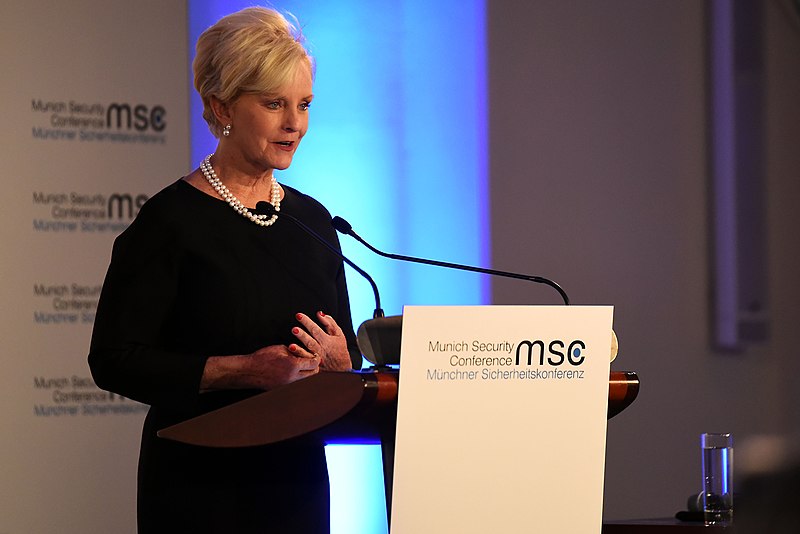
US President Joe Biden made more nominations to diplomatic positions again this week. Included in the list is Cindy McCain, the widow of the late GOP Senator John McCain, as the US ambassador to the UN food and agriculture programs.
Biden has nominated McCain as the US representative to the United Nations Agencies for Food and Agriculture. Should she be confirmed, McCain would be dispatched to Rome to oversee larger efforts in ending world hunger and expanding access to food all over the world. This also puts McCain, a Republican ally of Biden, to an administration post.
“I am deeply honored and look forward to the work ahead,” McCain tweeted shortly after the announcement.
McCain endorsed Biden in the 2020 elections and was also featured to speak during the Democratic National Convention. In her endorsement, McCain noted the long-running friendship between her late husband and Biden despite having opposing political affiliations. Biden’s nomination also brings forth his push for bipartisanship in Washington.
Aside from McCain, Biden also nominated Massachusetts Democrat Claire Cronin as US ambassador to Ireland, Penn Biden Center for Diplomacy and Global Engagement managing director Michael Carpenter as US ambassador to the Organization for Security and Cooperation in Europe, former Delaware Governor Jack Markell as the US ambassador to the Organization for Economic Cooperation and Development among others.
Speaking of bipartisanship, Biden has reached a bipartisan deal this week regarding his upcoming infrastructure package. Biden announced, alongside 10 Senators, the agreement made on a $953 billion infrastructure plan in an impromptu appearance to the press following the agreement. While Biden did not get too specific, the bill remains to have bipartisan support among the lawmakers both Republican and Democratic.
The proposal could also leave open the possibility of Biden’s future trillion-dollar proposals. Biden added that while not everyone got what they wanted, other White House priorities would be passed through the reconciliation process that would evade obstruction through the filibuster.
The lawmakers have been at odds as to how to fund the proposal, but following the meeting with Biden, appeared to be more confident as their issues have appeared to be addressed.







