Johnson & Johnson reported confirmed prostate-specific antigen (PSA) declines with its investigational drug JNJ-6143 in a Phase 1 prostate cancer study and selected a daily 50-mg dose for Phase 2 testing.
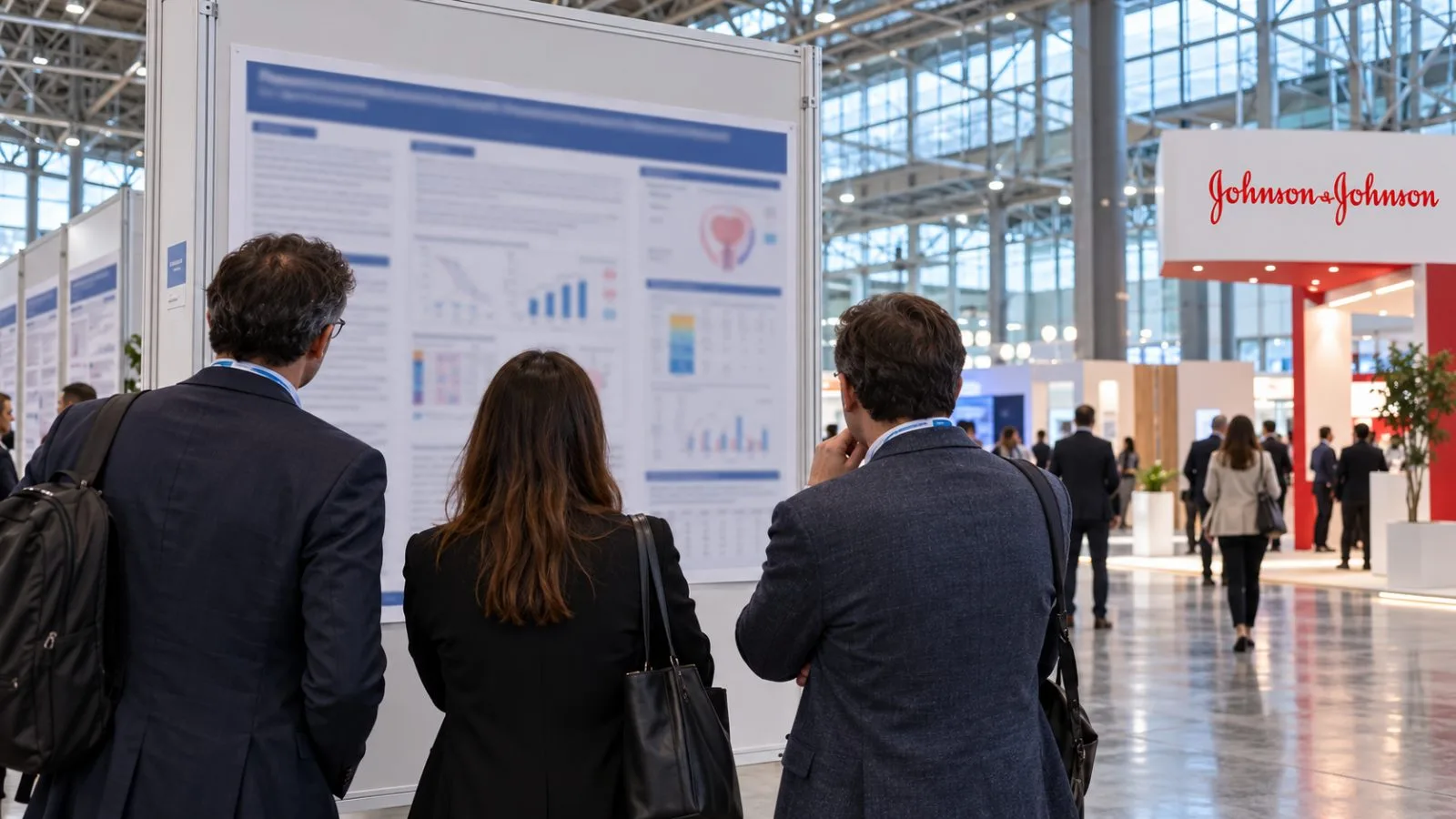
At that dose, 24 of 31 evaluable patients (77%) had a confirmed PSA decline of at least 50%; 15 (48%) had a decline of at least 90%. A decline counted as confirmed if another measurement at least three weeks later showed it had been sustained. The data cutoff was Sept. 21, 2026, and the company presented the findings at the 2026 European Society for Medical Oncology (ESMO) Congress.
Imaging results came from a separate group of 16 patients. Eleven (69%) had a confirmed complete or partial response: nine partial responses and two complete responses. The study enrolled patients with progressive metastatic castration-resistant prostate cancer who had previously received at least one androgen receptor pathway inhibitor.
The Phase 1 study enrolled 105 patients across doses from 12.5 mg to 150 mg. Among the 50-mg group, patients had received a median of four prior systemic therapies for metastatic disease, with a range of one to nine. Johnson & Johnson selected 50 mg once daily as the recommended Phase 2 dose based on safety, efficacy and pharmacokinetics.
In the 50-mg group, 22 of 38 patients (58%) had at least one treatment-related adverse event. The presentation listed high cholesterol in seven patients (18%), nausea in six (16%) and high triglycerides in six (16%); one patient stopped treatment because of a related event. Across all dose groups, the presentation classified one death as treatment-related. The patient experienced Grade 5 acute kidney injury after an acute hemodynamic event while receiving hemodialysis.
Johnson & Johnson describes JNJ-6143, formerly HLD-0915, as an oral drug designed to bind the androgen receptor and sequester BRD4, a protein the company says is essential for cell survival. The company completed its $3.05 billion cash acquisition of Halda Therapeutics on Dec. 29, 2025.
The company’s presentation says the Phase 2 study has started, and ClinicalTrials.gov lists it as recruiting. The reported Phase 1 results include no survival outcomes or comparison with another treatment.