A federal judge has blocked the U.S. Postal Service (USPS) from enforcing part of President Donald Trump’s executive order aimed at tightening mail-in voting rules ahead of the November 2026 midterm elections.
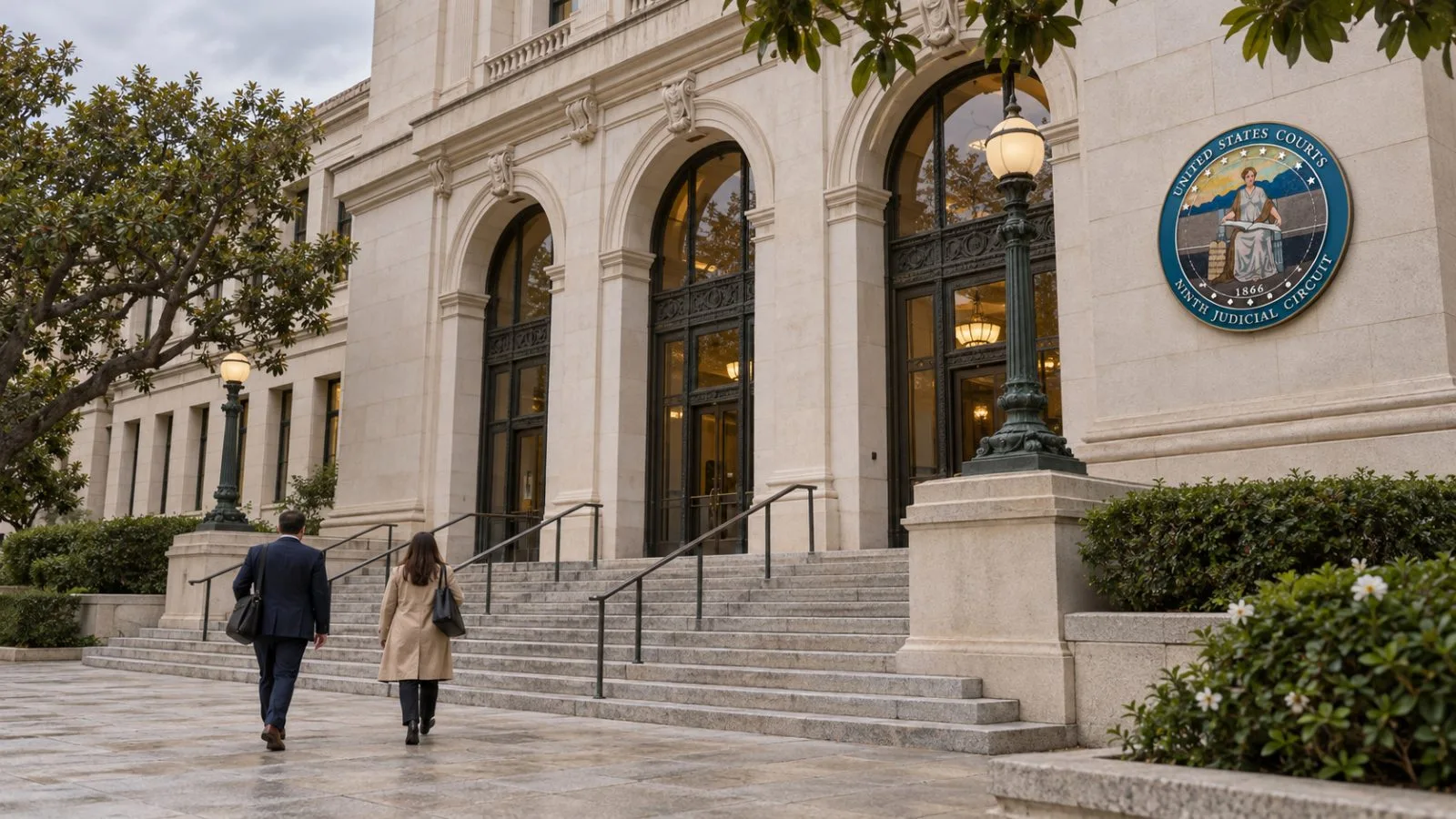
U.S. District Judge Indira Talwani in Boston ruled Tuesday that the Trump administration cannot require USPS to enforce election-related restrictions contained in the March executive order. The decision represents another legal setback for Trump’s effort to increase federal oversight of U.S. elections.
The executive order directed states to provide lists identifying voters eligible to receive mail-in ballots. Under the plan, USPS could have refused to deliver ballots in states that failed to comply with the administration’s requirements.
Talwani’s latest ruling expands an earlier decision issued in June, which blocked implementation of the order in 23 mostly Democratic-led states. Voting rights organizations represented by the American Civil Liberties Union (ACLU) had asked the court to prevent USPS from enforcing the measure nationwide.
In her ruling, Talwani said the Constitution gives states primary authority over election administration and concluded that the executive branch lacked the authority to impose the contested election rules. She also warned that the order could create confusion and undermine public confidence in the electoral process.
The Trump administration has defended the executive order, saying it will continue pursuing the president’s election agenda within the law.
The administration has also asked the U.S. Supreme Court to pause Talwani’s earlier ruling. The Supreme Court, which has a 6-3 conservative majority, has not yet issued a decision on that request.
The legal dispute comes as the November 3, 2026, midterm elections approach. Talwani said the case had become more urgent because USPS had proposed rules related to the executive order and the election was less than 90 days away.
The ruling could have significant implications for mail-in voting and the balance of federal and state authority over U.S. election rules.