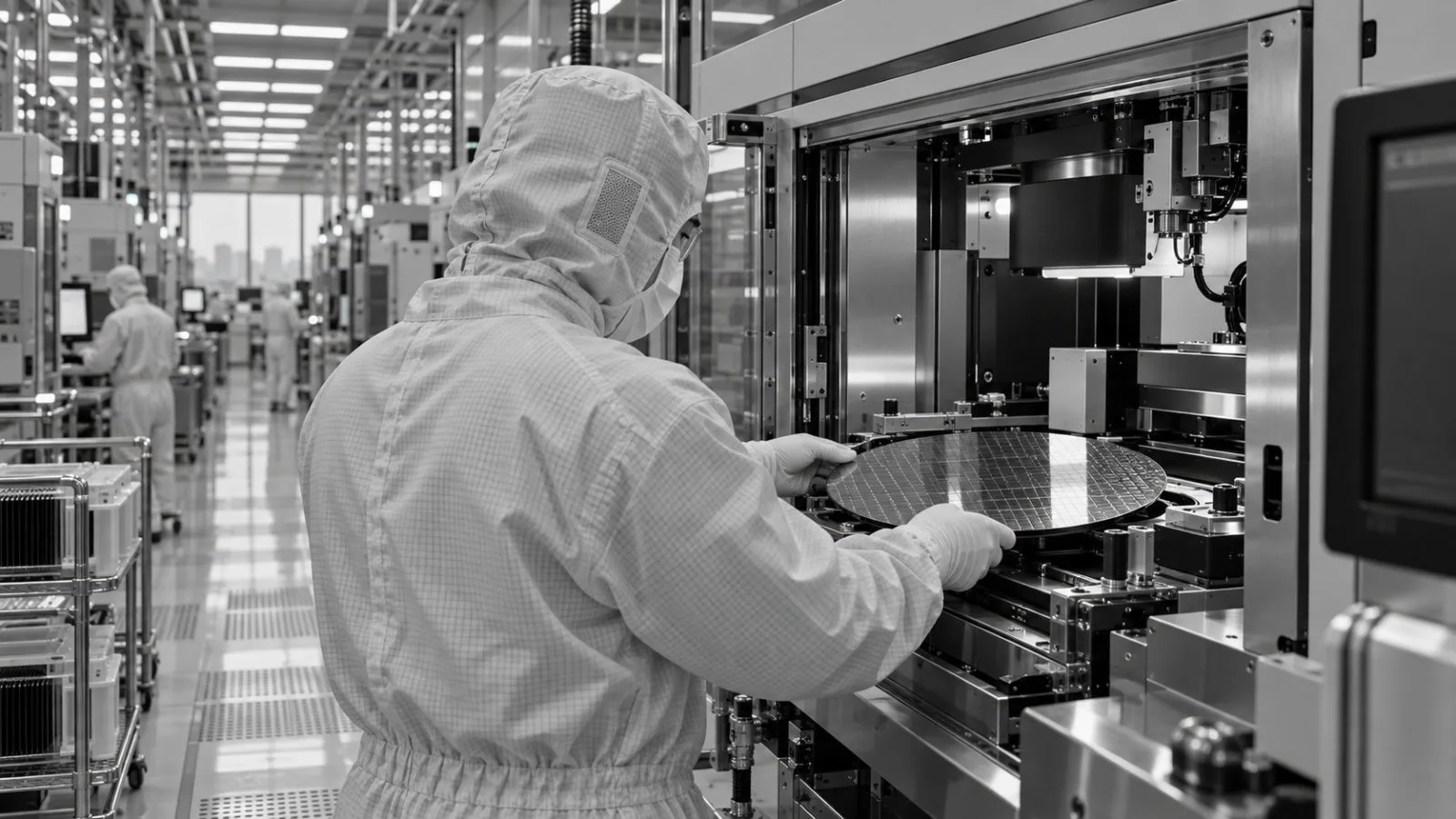
AI infrastructure spending is tightening memory supply as buyers book an estimated 80% of Samsung Electronics' planned 2027 output, The Korea Herald reported, citing KB Securities.
KB Securities research chief Kim Dong-won said five-year agreements with global technology companies cover 70% of Samsung's planned conventional DRAM and NAND flash production. Separate commitments account for all of its projected 2027 high-bandwidth memory (HBM) output. Kim said hyperscalers are competing for the remaining 20% of planned memory production.
The brokerage forecasts Samsung's 2027 operating profit at 555 trillion won ($417.6 billion), a 51% increase from its estimate of 367 trillion won for 2026. KB Securities projects a 100% to 150% rise in Samsung's average HBM selling price in 2027 as premium HBM4 products take a larger share of sales. KB projects HBM4 will generate 80% of HBM revenue, double its earlier share.
Samsung's preliminary third-quarter results, released Oct. 8, showed revenue of 195 trillion won and operating profit of 107.4 trillion won. Kim attributed recent weakness in Samsung shares primarily to broader economic uncertainty and said the company's earnings outlook remained intact.
Other chipmakers have described commitments for future output. At Micron's Sept. 30 earnings call, CEO Sanjay Mehrotra said buyers had committed to more than 75% of its planned 2027 production. He expected supply to remain tight through 2028 and said customers were discussing future allocations.
SK hynix said in July that it had completed long-term arrangements with about 10 major customers, citing growing demand for both AI memory and conventional chips. The Korea Herald linked the wider move toward multiyear agreements to AI infrastructure investment constraining memory supplies.
A separate Bank of America outlook for memory-chip earnings through 2028 expects industry earnings to remain near historical highs even as growth slows. Samsung is scheduled to release its detailed third-quarter results Oct. 29.