A farmer in Kano says easier irrigation access has broadened his planting options, while available sources do not establish whether the wider project has raised yields or income.
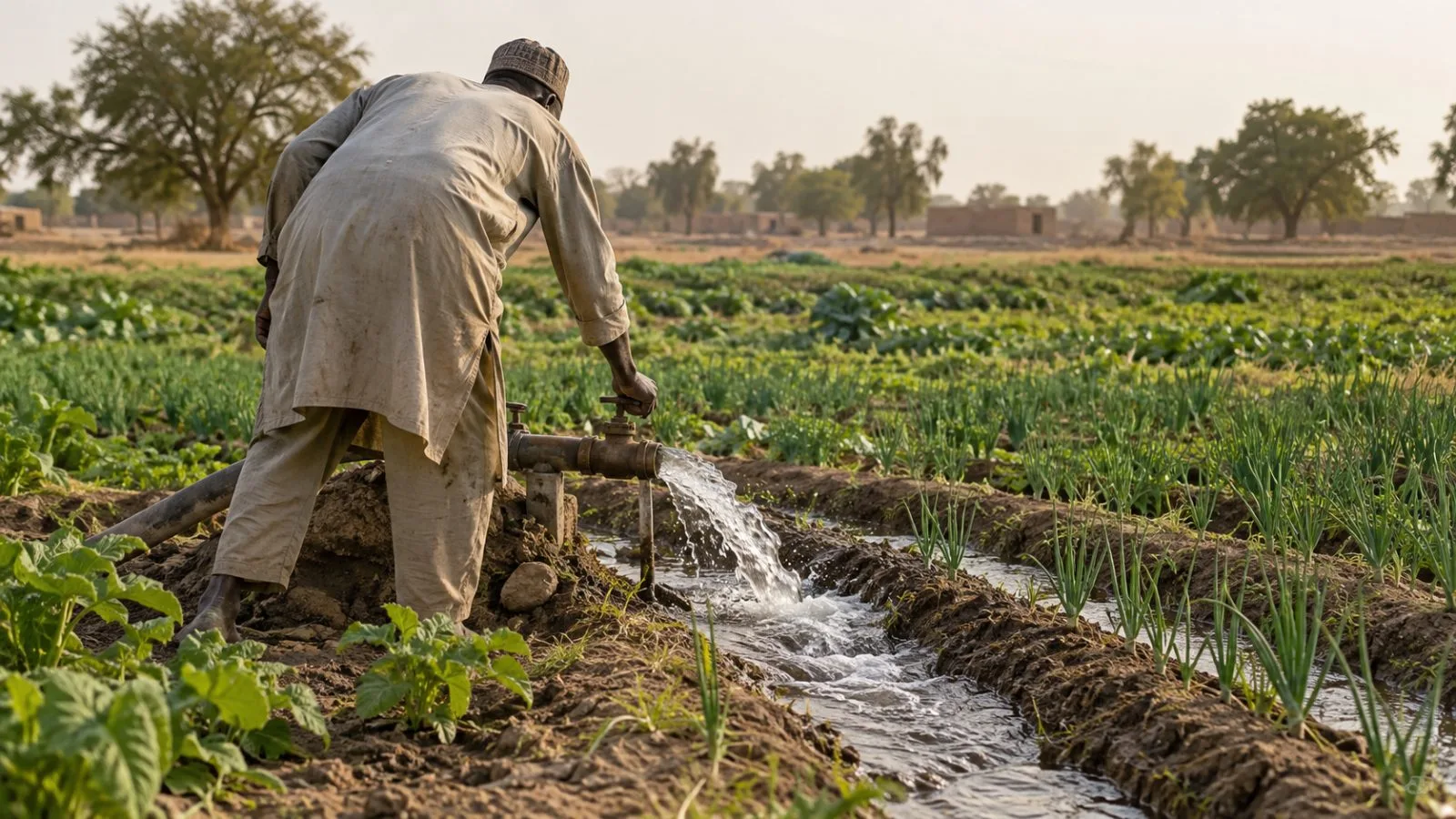
BusinessDay reported Oct. 25 that Faruku Musa Haruna, a farmer in Kumfada, no longer needed a generator to pump water to his field. He grows several crops and hopes to add rice and wheat. “You just turn the valve, and water flows right into your field,” Haruna told the outlet. His account describes one farmer’s experience, not the reach of water delivery across the project.
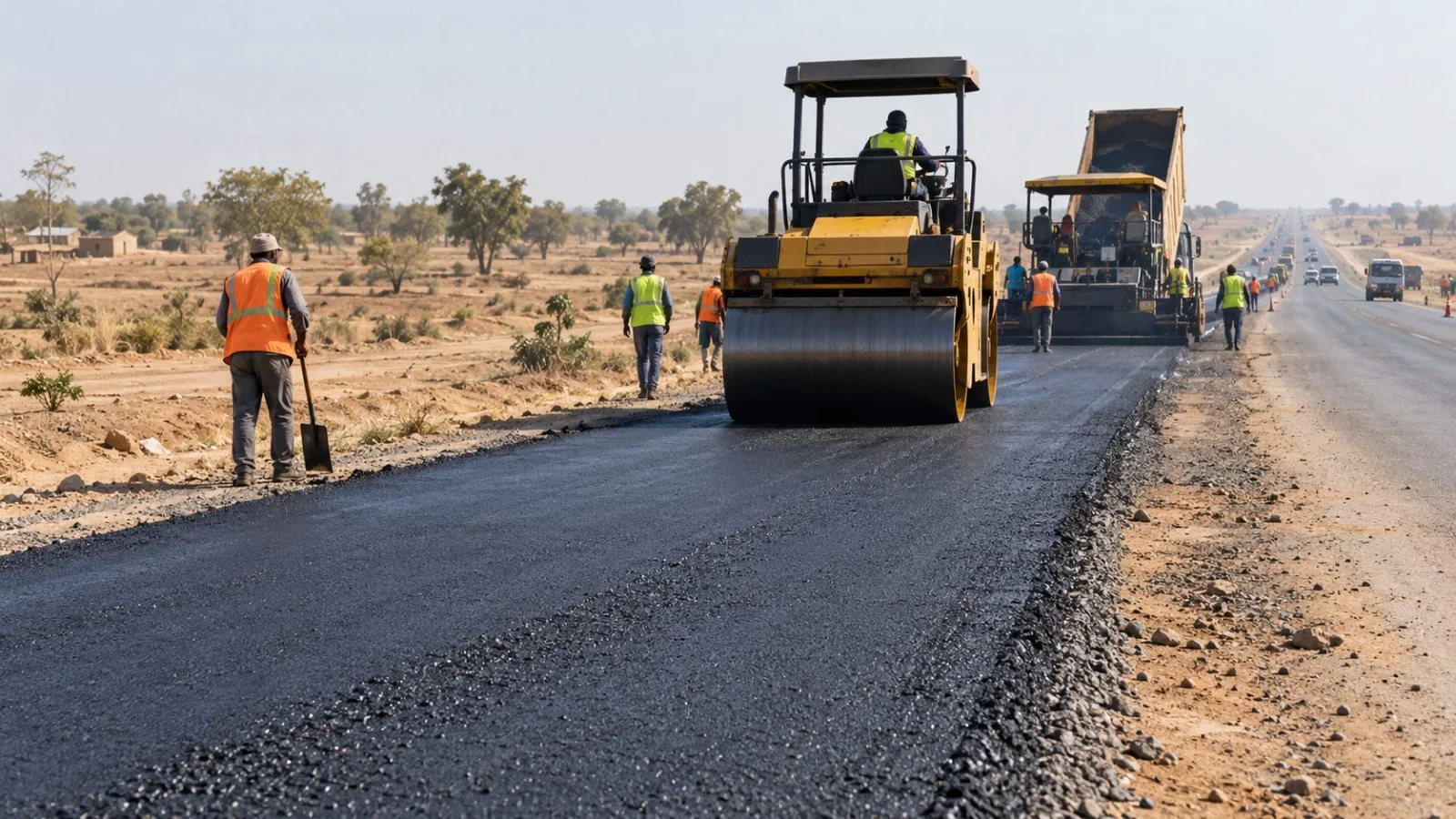
The Ecological Project Office (EPO) has described an intervention spanning the Tiga, Challawa and Kafin Chiri dams, with irrigation infrastructure, roads, bridges and other ecological works. The Kano River Irrigation Project covers 16 local government areas in Kano South and involves the International Institute of Tropical Agriculture (IITA) and the Hadejia Jama’are River Basin Development Authority. The EPO lists higher crop yields and local employment among its expected benefits.
IITA said a planning workshop on Dec. 15, 2025, drew more than 100 participants from the 16 local government areas to discuss climate-smart irrigation and water management. BusinessDay reported that Kafin Chiri’s main canal was complete, while distribution and field channels were still being built. The outlet said an 80% completion estimate applied only to the embankment section. In an Aug. 22 release, the Federal Ministry of Information and National Orientation said Kano Gov. Abba Kabir Yusuf urged the contractor to finish on schedule; the release gave no overall completion rate.
BusinessDay reported 1,890 beneficiaries, including 501 smallholder farmers who received training. It also reported eight farmer field schools and 86 demonstration plots; 97 of the trained farmers were women, and women made up 20% of beneficiaries overall. IITA specialist Professor Lucky Osabuohien Omoigui told the outlet that farmers need training to manage water effectively and that the effects of new practices may take two or three years to appear.
BusinessDay also reported that farmers continue to pay for seeds, fertilizer, labor and transport, and that road damage disrupted onion deliveries in Gana. The outlet raised questions about infrastructure maintenance, fair water distribution and women’s access to irrigated land and crop income. Available reporting does not establish project-wide gains in yields or income.