Kenya’s Ministry of Health confirmed a second Bundibugyo Ebola case Wednesday, Oct. 14, in a quarantined contact; World Health Organization (WHO) Representative Dr. Neema Rusibamayila Kimambo said the agency was supporting containment efforts.
Kimambo told UN News on Oct. 15 that the 39-year-old man, a relative of Kenya’s first patient, had been placed in quarantine as a contact before symptoms began Oct. 13. She said there was no community spread.
UN News reported that the first patient had been living in the Democratic Republic of the Congo (DRC) before traveling to Nairobi through Uganda on Oct. 3. He died in hospital on Oct. 5. The first case was linked to the ongoing outbreak in eastern DRC. The Independent reported that two cases in Nord-Ubangi made it the outbreak’s eighth affected province; EconoTimes previously covered the Nord-Ubangi cases.
Kenyan authorities identified more than 40 people who had been in contact with the first patient. The group included airline passengers and crew, airport workers, baggage handlers, immigration staff, health personnel and relatives. Most were quarantined. Several low-risk contacts had quarantined themselves and were being monitored. Officials were still trying to locate six passengers whose foreign phone numbers had made contact difficult.
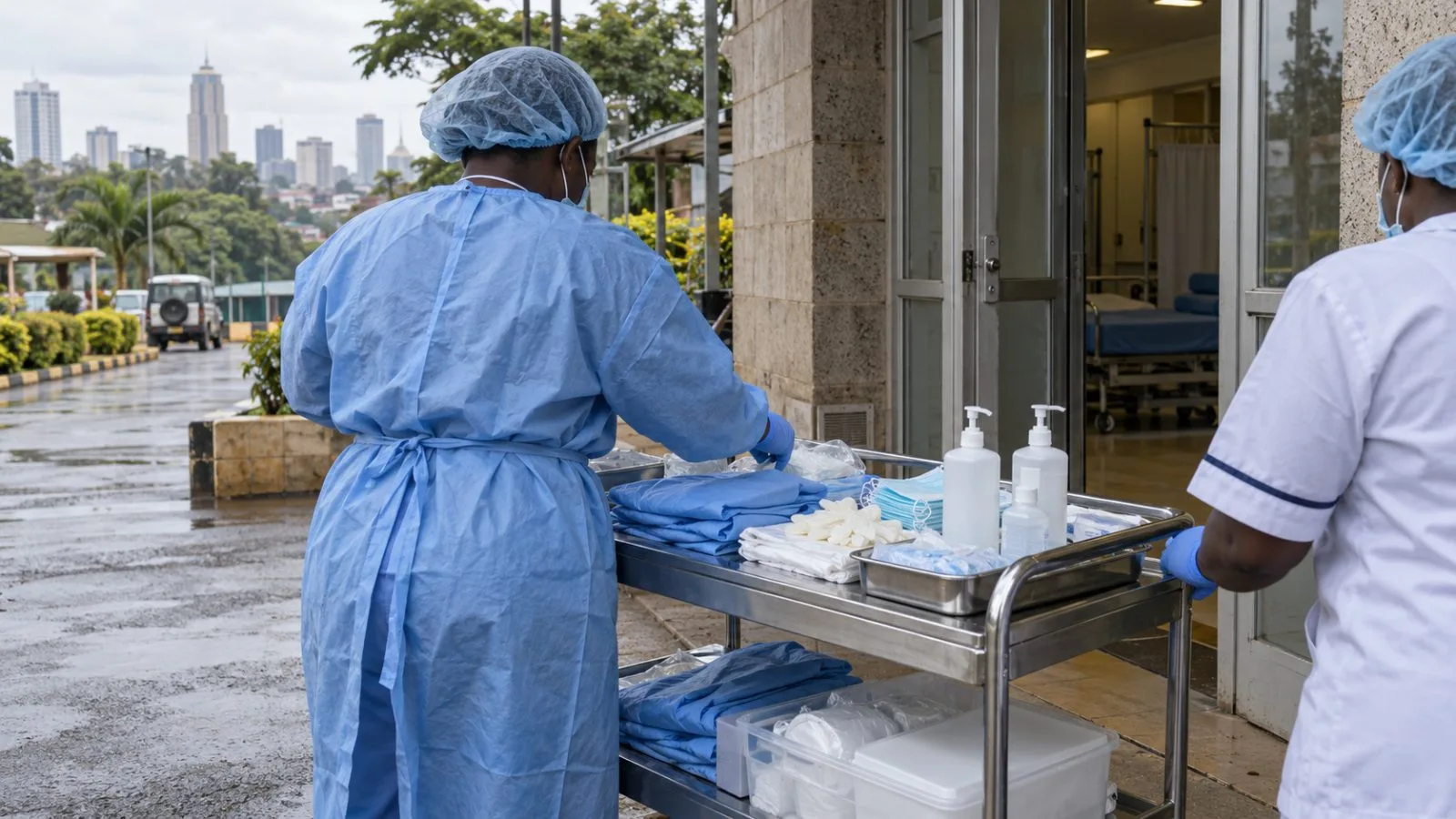
WHO said its assistance included infection-prevention and laboratory supplies worth about $70,000. UN News reported that more than 4,000 health workers had been trained, including for screening at ports of entry. Kimambo described patient care and infection prevention in quarantine centers as priorities.
UN News reported that Kenya and WHO had begun preparedness work after the DRC outbreak was declared in May, before Kenya’s first case. Response work included surveillance and contact tracing, and WHO brought in a senior incident manager who had taken part in Uganda’s Ebola response.
Kimambo said travel restrictions and border closures were not needed, while traveler screening remained important. She advised regular handwashing, using hand sanitizer and seeking medical care promptly when sick. “We all have a role to play,” she said.