The World Health Organization has recommended two Bundibugyo vaccine candidates for a Democratic Republic of the Congo trial, adding potential research options as the outbreak’s reported death toll reached 5,198.
The agency’s Technical Advisory Group on Candidate Vaccines Prioritization voted unanimously to recommend both candidates. The panel weighed preclinical research and early human evidence on safety and immune responses, WHO said.
The University of Oxford and Serum Institute of India developed ChAdOx1 BDBV together; Moderna developed mRNA-1469. Both candidates need national approvals before they can enter Tumaini, and WHO has not reported efficacy results for either in the trial. EconoTimes previously covered the panel’s recommendation.
The trial opened Oct. 23, with enrollment starting in Bunia, according to WHO. Its ring-based approach recruits people traced through contact with confirmed cases. WHO said four vaccination rings had been established by Nov. 4.
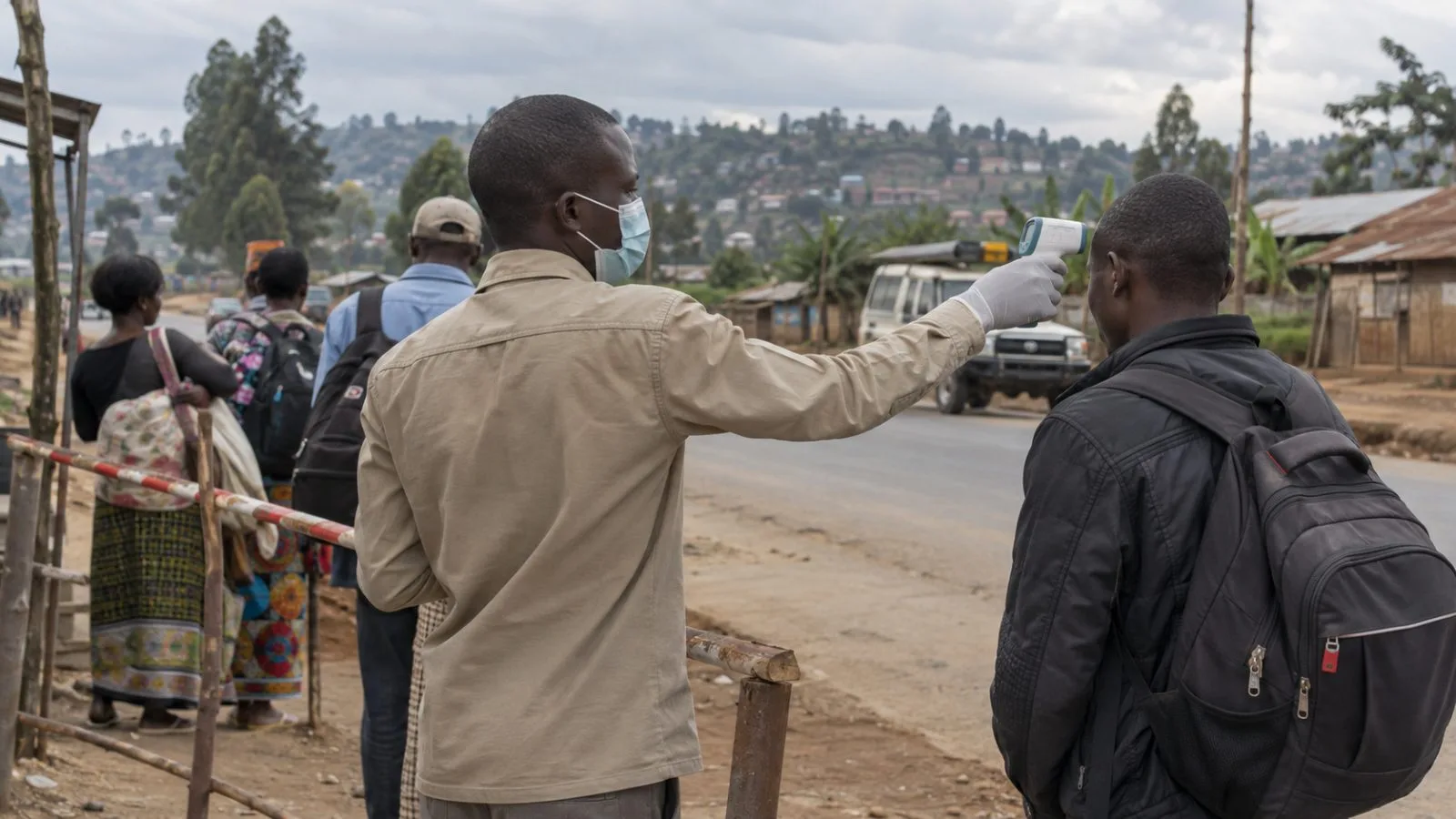
By Nov. 3, authorities had reported 10,668 confirmed cases, 5,198 deaths and 2,881 recoveries in the DRC, WHO said in a Nov. 6 update. The reports covered 67 health zones across eight provinces; active transmission was present in 51 zones. WHO put the crude case fatality ratio at 48.7%.
WHO says no vaccine or specific treatment is approved for Bundibugyo virus disease. Tumaini is first evaluating Ervebo, whose efficacy against Zaire ebolavirus was established in a ring-vaccination trial in Guinea. That result does not establish protection against Bundibugyo.
WHO credited investments from the Coalition for Epidemic Preparedness Innovations with supporting the candidates’ rapid development. WHO Director-General Tedros Adhanom Ghebreyesus said vaccines could help control the outbreak but would not be sufficient alone: “Vaccines alone will not end this outbreak.”
WHO projects Tumaini results in early 2027 and expects initial findings from treatment trials in the coming months.