The London Assembly Transport Committee wants Transport for London to control robotaxi permits and fleet sizes under planned 2027 rules, putting city oversight at the center of a still-limited rollout.
An October report recommended that the UK government authorize TfL to issue and withdraw Automated Passenger Service (APS) permits and set fleet limits when full regulations under the Automated Vehicles Act take effect. The committee described the existing permit system as an interim arrangement for initial small-scale trials and said its review had not established a case for introducing autonomous passenger services in London.
Under Great Britain’s pilot scheme, companies can apply to run commercial self-driving services without a safety driver. For taxi- or private-hire-style services in London, the relevant local licensing authority must consent before a permit is granted. The Driver and Vehicle Standards Agency (DVSA) administers the permit process for the transport secretary.
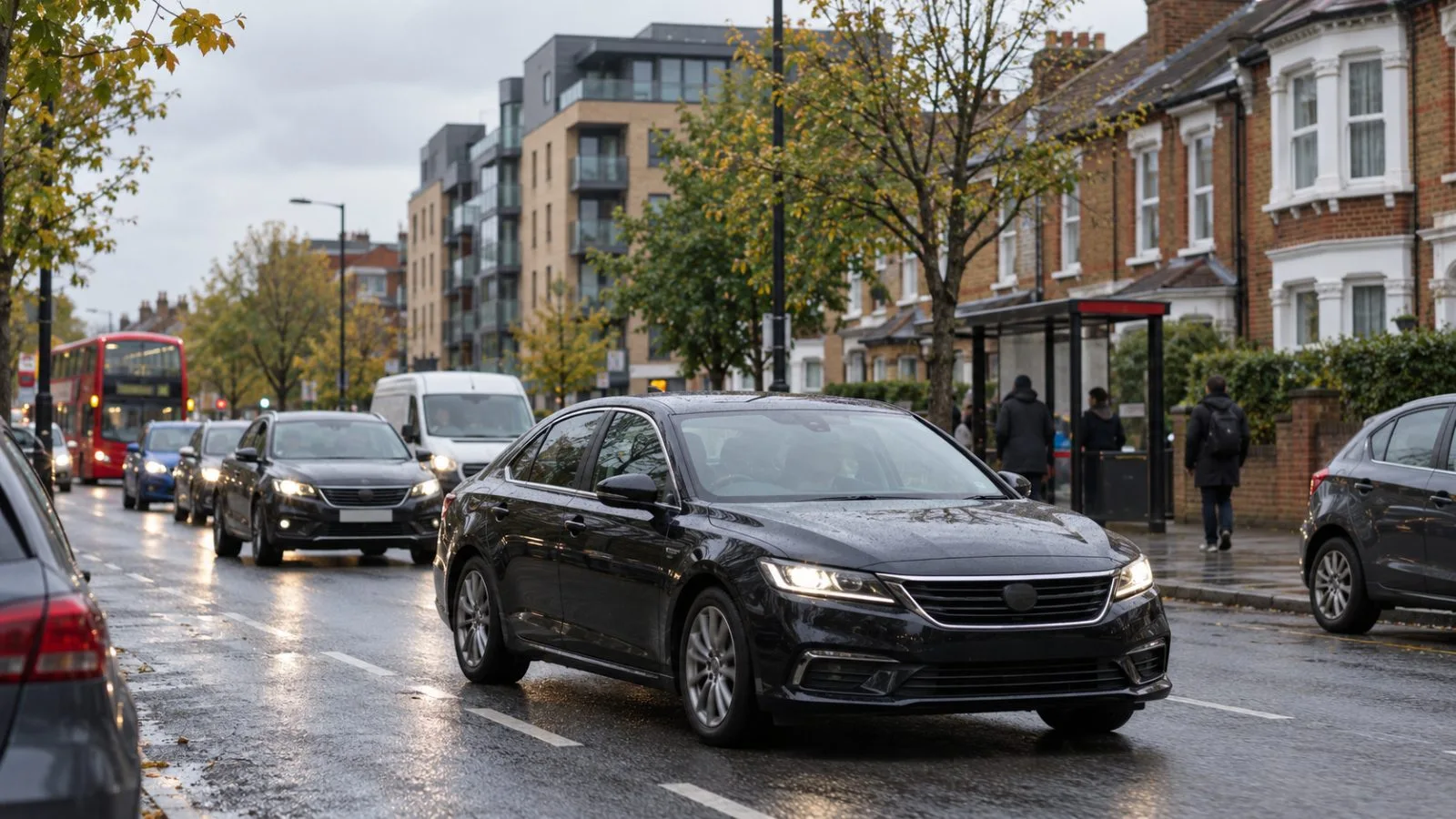
The Guardian reported Sunday that Mayor of London Sadiq Khan is lobbying for TfL to receive more powers over automated vehicles. Khan raised the possibility of a cap, citing potential effects on congestion, air quality and taxi and private-hire drivers’ livelihoods. The newspaper gave no proposed cap or timetable for his request.
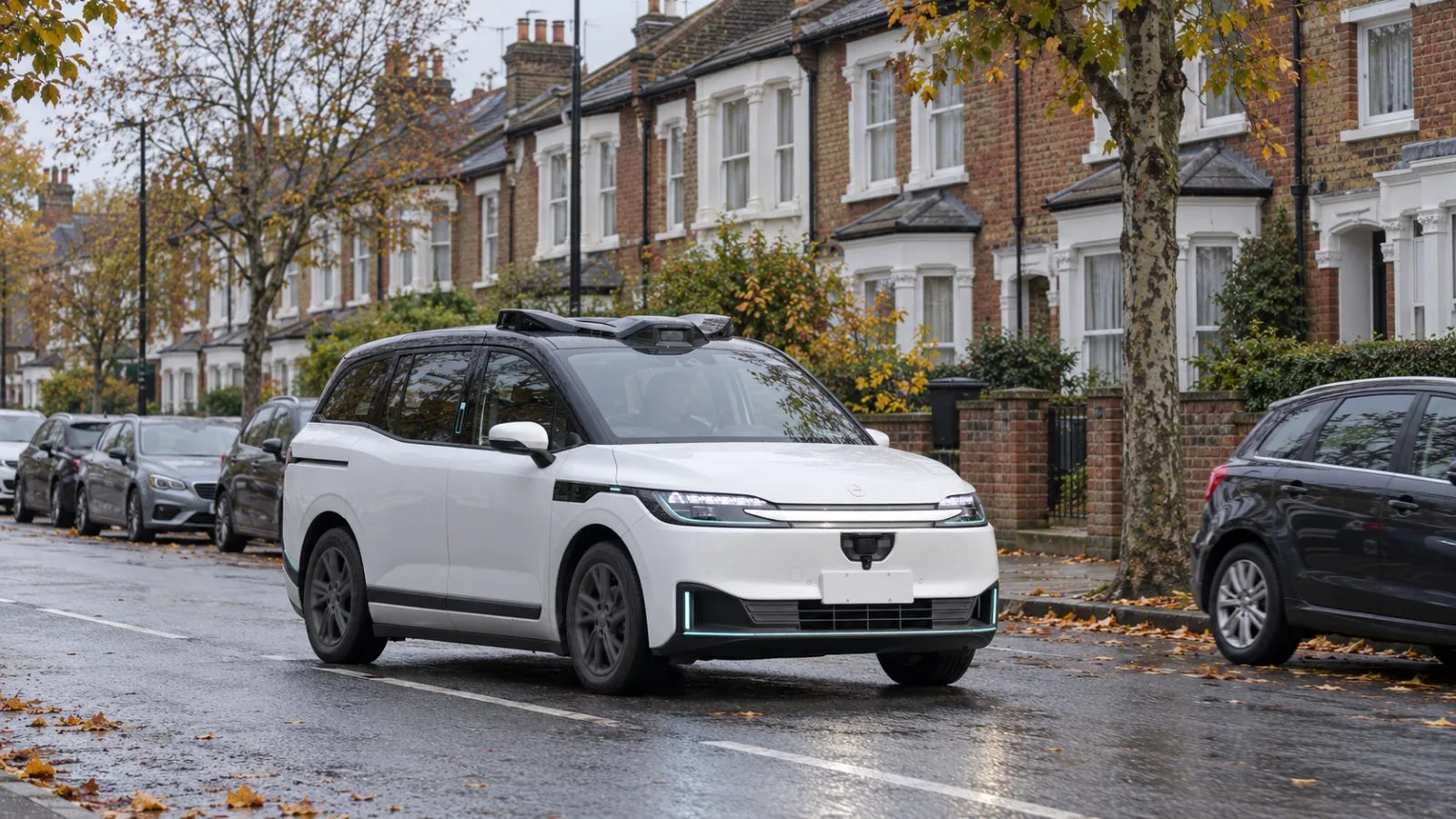
The rides Uber and Wayve launched in London on Sept. 3 are supervised private-hire trips. A trained driver licensed by TfL is onboard. TfL said Sept. 28 that it had cleared vehicle modifications for trials of as many as 15 cars. The modified cars retain private-hire licenses, with a licensed driver responsible for each vehicle.
A YouGov survey commissioned by the committee found that 42% of 1,053 London residents surveyed June 12-19 opposed autonomous passenger vehicles, while 29% supported them. Another 29% said they were likely to use the vehicles if available. The committee also called for planning to address possible driver job losses, including retraining and redeployment. The Department for Transport projects that the pilot scheme could support thousands of jobs and unlock billions of pounds for the economy by 2035.
Freenow by Lyft and Baidu’s Apollo Go began testing in London’s Brent borough on July 28 with safety operators. The companies expect public rides in 2027, but did not say whether those rides would be driverless.