The White House said a ceasefire in Oleshky would allow aid deliveries and prepare for civilian evacuations; it ended Nov. 1 after almost six days, while NPR reported Kherson residents used the lull for everyday trips.
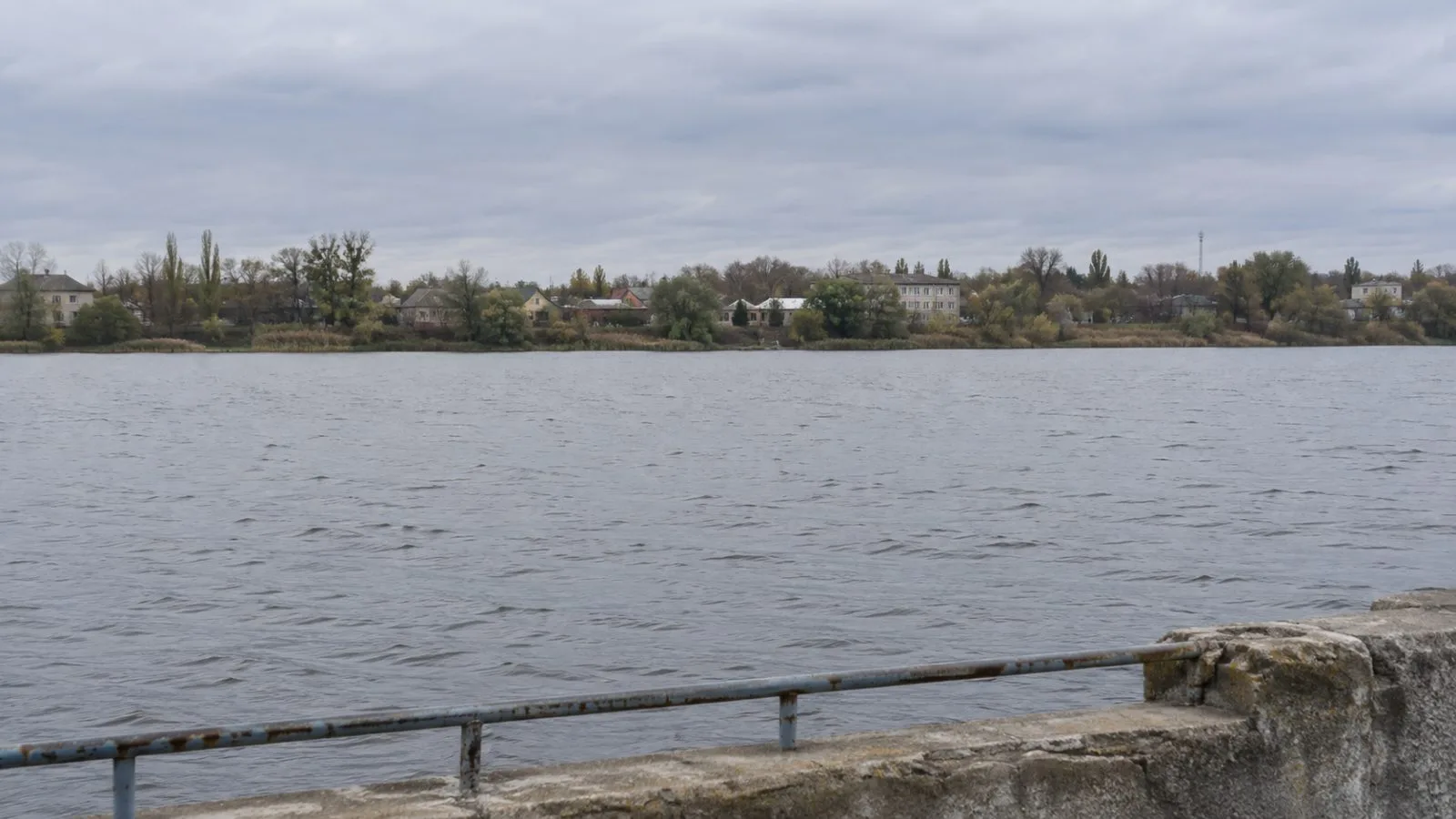
The Kherson Regional State Administration said the pause ran from Oct. 27 through Nov. 1. Oleshky lies across the Dnipro River from Kherson. The White House said the arrangement was intended to let humanitarian aid enter and support preparations for civilian departures.
NPR reported that Anna Herasimenko and Olena Soboleva, both 21, met for walks and coffee. Herasimenko told NPR, “The city seems alive.” NPR also reported families went out with children and shoppers bought supplies.
The Associated Press separately reported a concert at Kherson’s theater on the ceasefire’s final day and said residents were calm as it approached its end.
The ombudsman’s office put the duration at five days, 19 hours and 59 minutes. It described the interval as the “longest period of silence” observed by both sides since 2022.
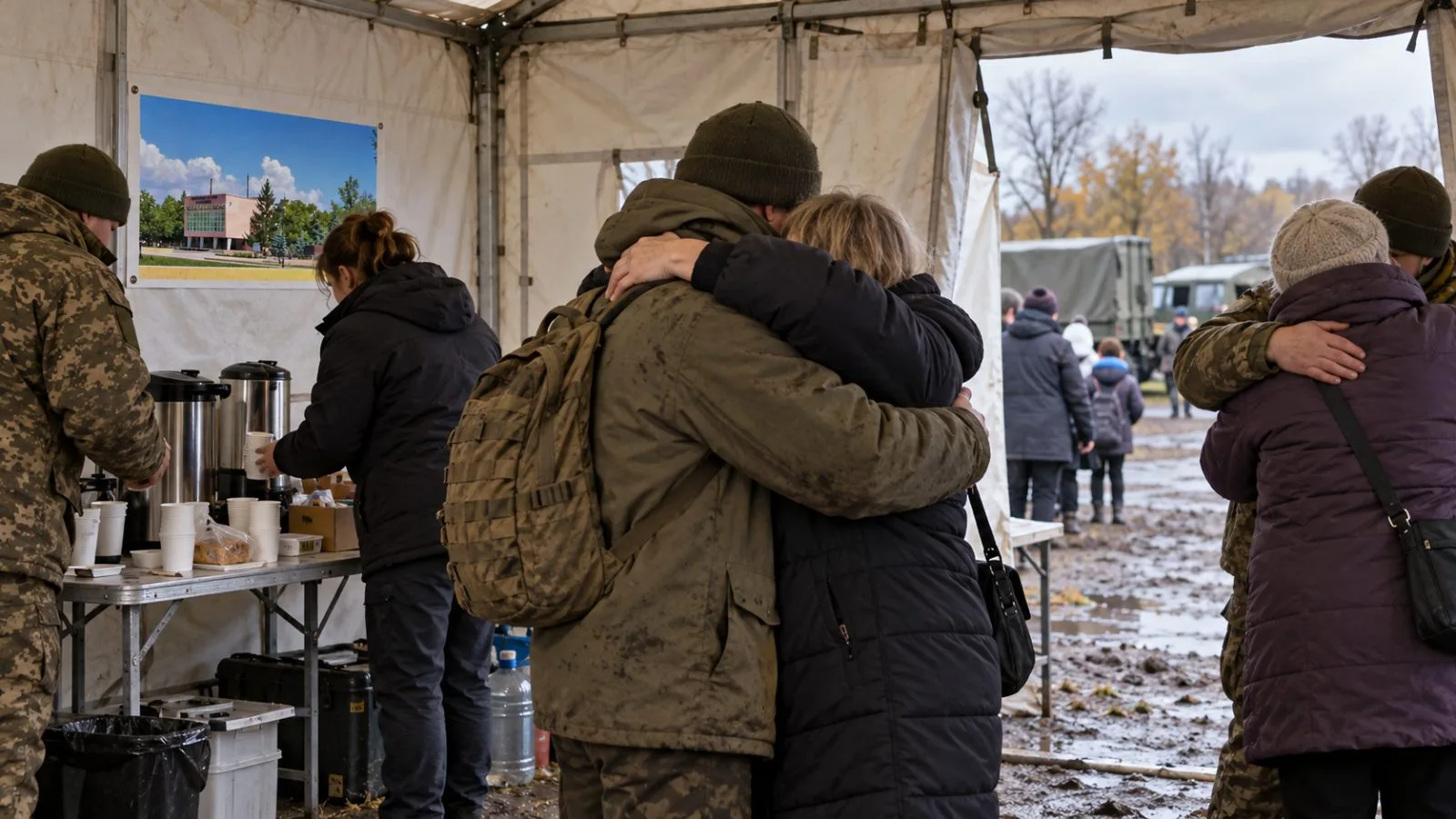
Regional authorities said the mission delivered aid to Oleshky and helped civilians who wanted to leave. The White House estimated that 1,700 to 2,000 residents, including about 50 children, remained in Oleshky; it said the town had no formal demographic count since 2022. On Oct. 30, Ombudsman Dmytro Lubinets’ office said it had prepared 25 buses with 750 seats, plus ambulances for people with limited mobility.
Ukraine’s human rights ombudsman, Dmytro Lubinets, said both sides honored their commitments. Ukraine’s General Staff said Russian forces used the pause to rotate units, strengthen positions, expand anti-drone defenses along roads and increase logistical activity, including ammunition deliveries. The ammunition claim also featured in EconoTimes’ earlier coverage.
The White House said U.S. first lady Melania Trump would convene Russian and Ukrainian representatives and deliver remarks on the ceasefire at 11 a.m. ET Nov. 5.