


 Bank of America Hit With $1.2 Billion Fine Over Money Laundering Failures
  Philippines Current Account Deficit Seen at $19.1 Billion in 2026
  ASX CEO Pushes for Faster T+1 Trade Settlement in Australia
  Anduril Valuation Hits $90 Billion in Employee Share Sale
  Netflix Cuts 1,000 Jobs as Streaming Giant Restructures
  NEAR Protocol Leads AI Crypto Rally Amid Fed Rate Hike Fears
  Nvidia’s China AI Chip Market Share Falls to 34% as Huawei Gains Ground
  Apple Intelligence Set for China Launch in December With iOS 27.3
  Samsung, SK Hynix Shares Plunge as China Chip Competition Grows
  OpenAI Uses AI to Uncover Hidden Recording Device, FBI Makes Arrest
  Trezor Cuts Reseller Network After Ledger Security Breach
  Arm Breaches Qualcomm License Deal, Jury Awards $2
  Wall Street Closes Lower as Bank Earnings and AI Concerns Weigh
  Kalshi CEO Defends Federal Oversight Amid Prediction Markets Legal Battle
  Trump Defends Russian Diesel Deal Amid US Sanctions Backlash
  Bank of America Fined $1.21B as CZ Questions AML Double Standard


 Add as a preferred source on Google
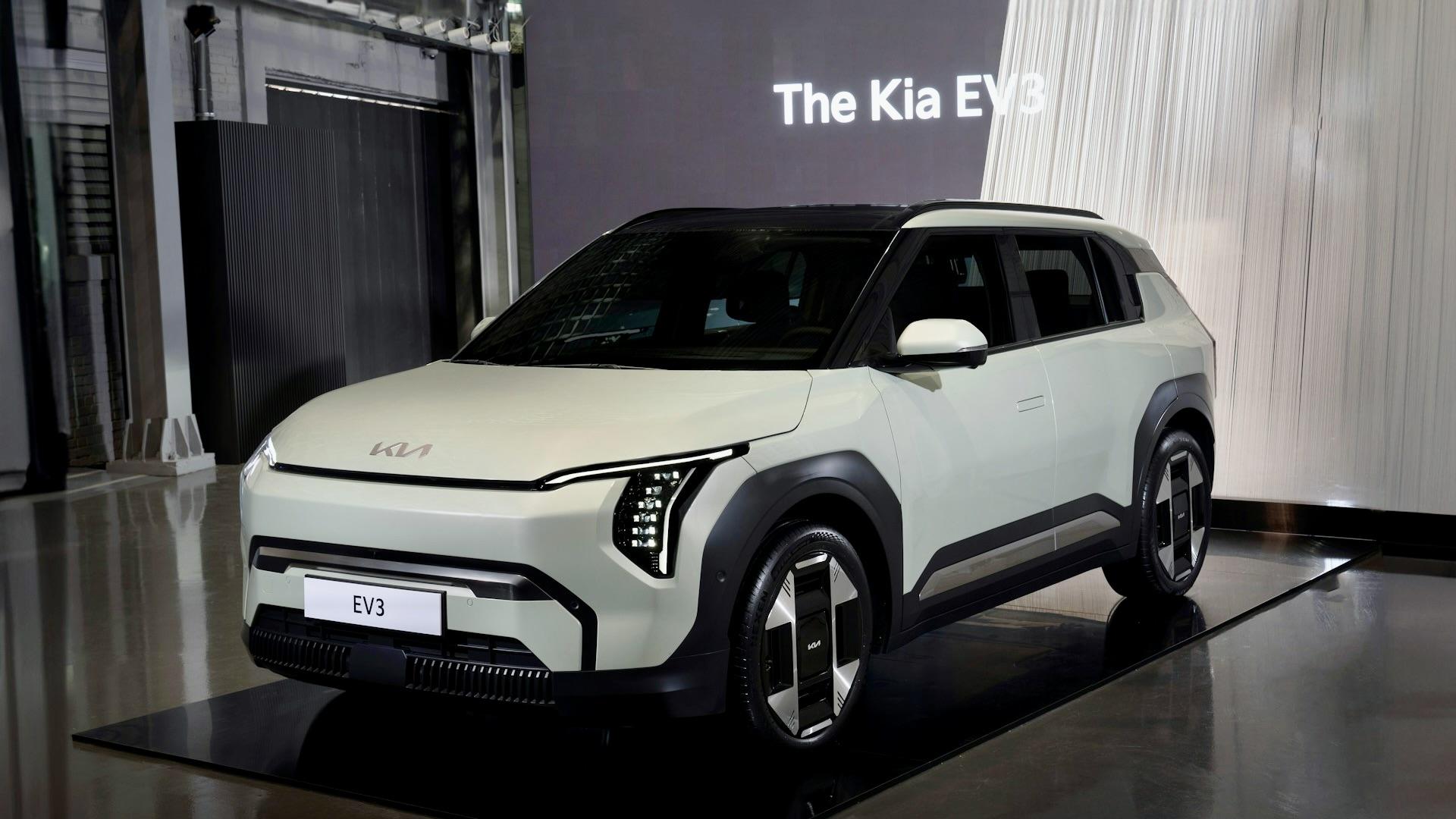
As BYD prepares to enter South Korea’s EV market in 2025, Kia and Hyundai show no signs of concern. Experts highlight that tariffs, subsidy issues, and local consumer preferences make it challenging for BYD to compete with South Korea’s leading EV makers.
BYD Sets 2025 Launch for Passenger Cars in South Korea
Just last month, BYD, a Chinese carmaker, declared that starting in 2025, it will sell passenger cars in South Korea, Teslarati shares. While BYD did join the South Korean commercial vehicle market in 2016, they have not introduced a passenger vehicle there as of yet.
When compared to other markets that BYD has joined, the South Korean car market will be unique. South Korean auto industry executives appear to agree that BYD's affordable electric vehicles won't entice local shoppers to buy the Chinese brand's cars.
Kia and Hyundai Remain Confident Amid BYD’s Entry
“I understand that Hyundai and Kia’s internal response to BYD’s entry to the domestic market is lukewarm. Not only have they not discussed specific countermeasures, but the internal atmosphere is that BYD will not be able to exert much influence in the domestic market,” an insider told Insight Korea.
Due to South Korea's 8% tariffs on all Chinese cars, most insiders believe that BYD will not be able to undercut its costs there. So, there won't be much of a pricing difference between Chinese and South Korean automobiles.
Tariffs and Subsidy Limitations Challenge BYD’s Strategy
Even less South Korean subsidies are available for BYD's lithium iron phosphate (LFP) batteries.
Furthermore, electric vehicles from Kia and Hyundai have been competitive with EV market leader Tesla on a worldwide scale. Hyundai and Kia do not sell electric vehicles (EVs) with cheap prices as BYD does. South Korean automakers, on the other hand, rely on features and designs of electric vehicles to entice buyers.







