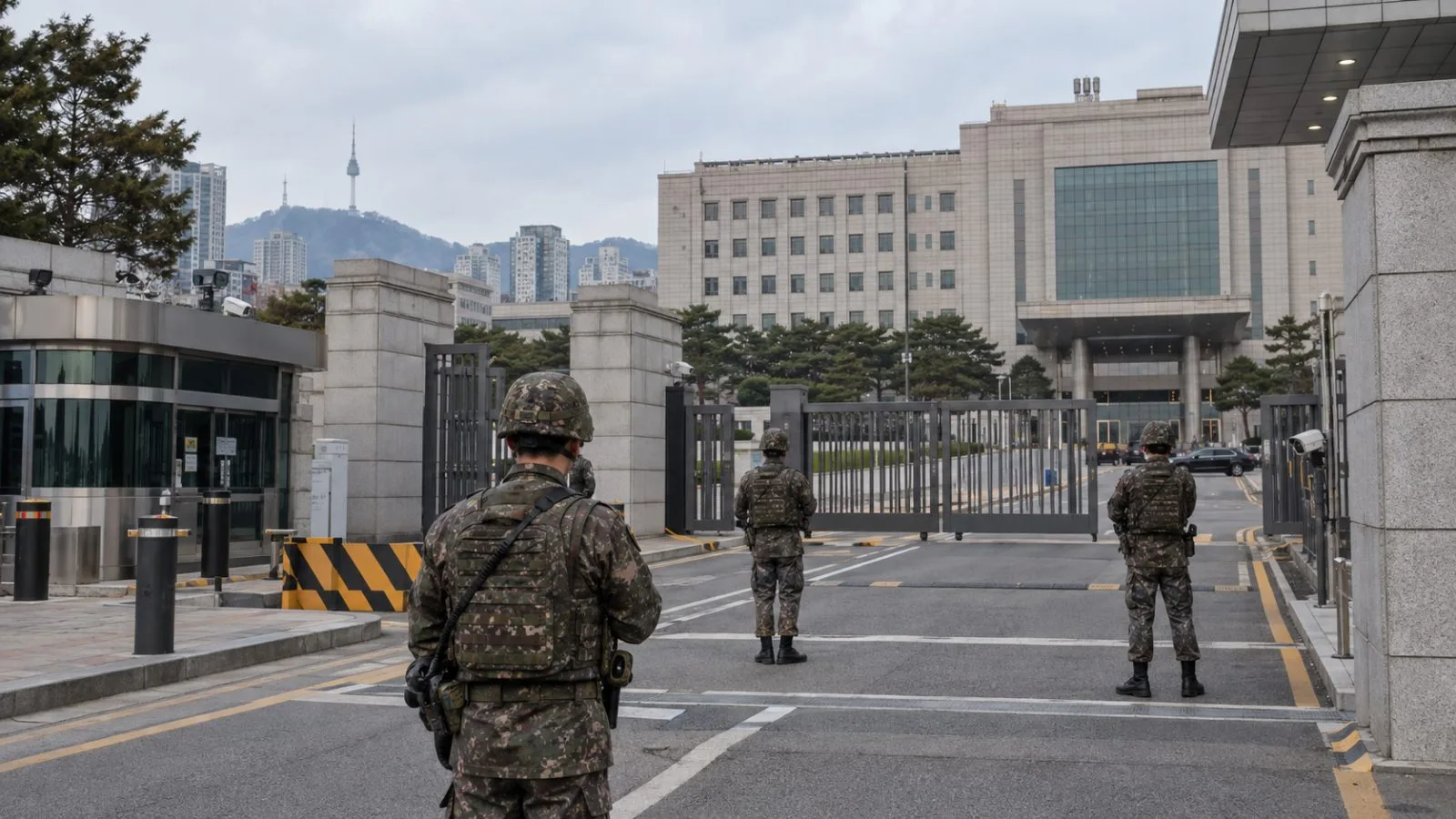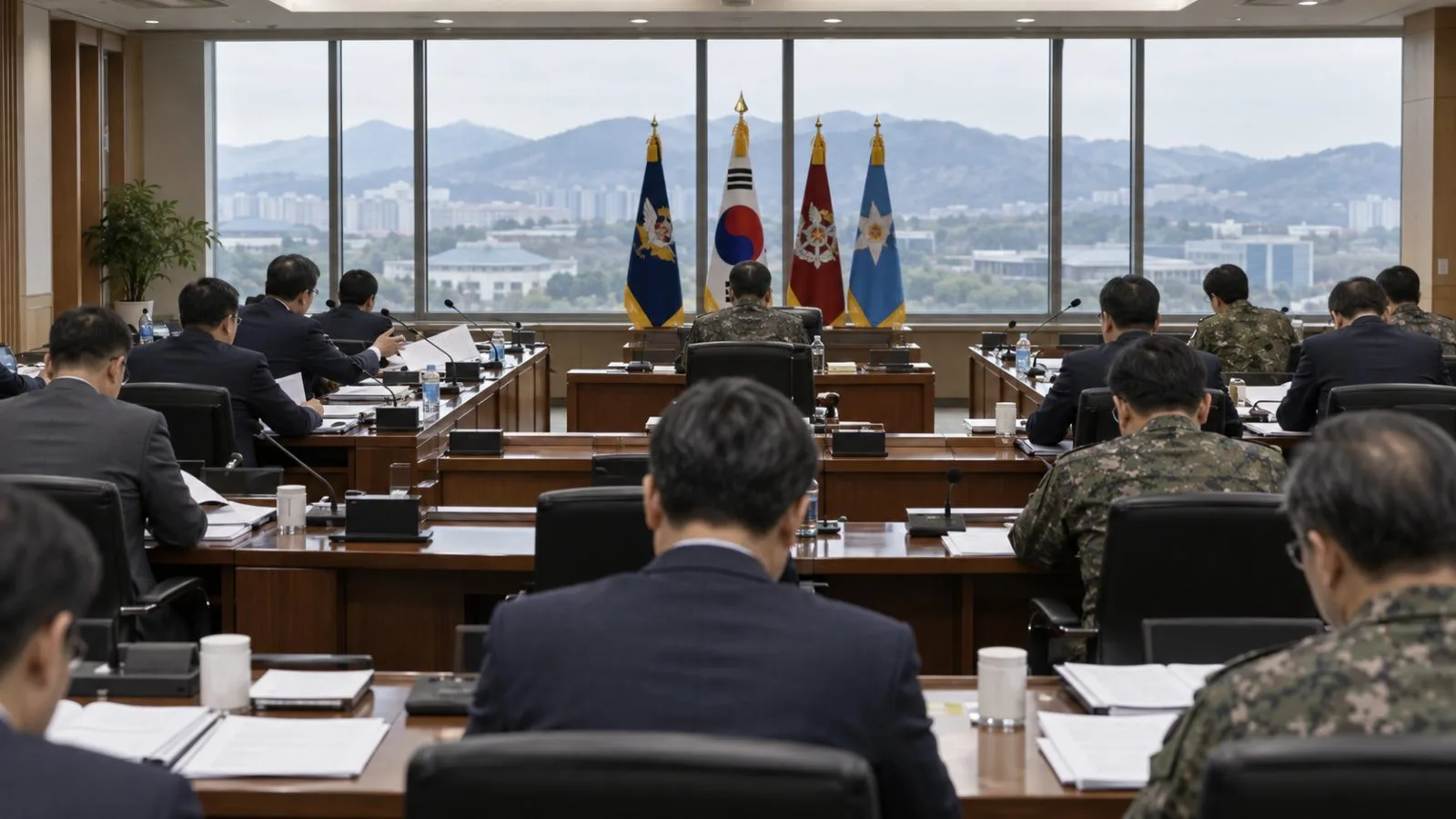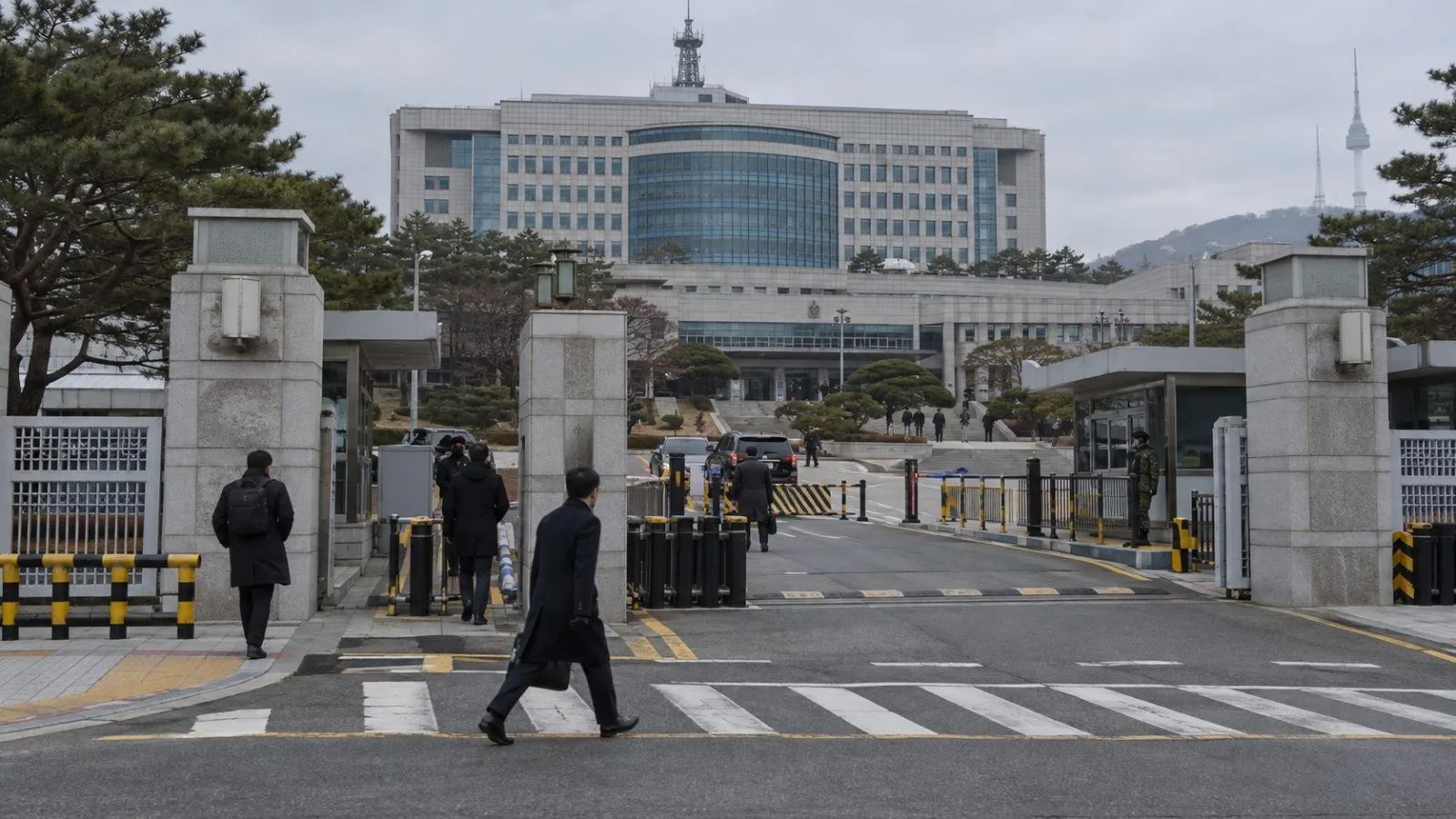
Professor Man-Ki Kim of the Korea Advanced Institute of Science and Technology (KAIST) urged Seoul to clarify U.S. backing as Washington gives South Korea more responsibility for deterring North Korea.
Kim, a professor at KAIST’s Graduate School of Future Strategy, made the case in a Korea Herald opinion column. The U.S. Department of War’s 2026 National Defense Strategy says South Korea can lead efforts to deter North Korea while Washington provides support it describes as “critical but more limited.” The document links greater allied burden-sharing to a broader U.S. effort to adjust its military posture on the Korean Peninsula. Its priorities also include defending the U.S. homeland, deterring China in the Indo-Pacific and strengthening the U.S. defense industrial base.
The White House’s November 2025 National Security Strategy also called on South Korea and Japan to increase spending on capabilities relevant to deterring aggression along the First Island Chain. Kim argues that Seoul should assess the alliance against South Korea’s security and economic interests. The defense strategy does not specify which U.S. capabilities or extended-deterrence commitments Seoul would receive; Kim says those terms need to be negotiated.
South Korea’s Ministry of Finance and Economy (MOFE) says the Korea-U.S. Strategic Investment MOU, signed Nov. 14, 2025, covers $200 billion for U.S. strategic industries and $150 billion for shipbuilding cooperation. The shipbuilding component may include private investment, guarantees and ship financing.
South Korea’s National Assembly passed an implementing law on March 12, and it took effect June 18. MOFE says the law caps annual investment in U.S. projects at $20 billion and requires commercial-viability reviews. Exceptions for reasons such as national security or supply-chain stability require prior consent from relevant parliamentary committees. The government must consult with the United States if investment threatens South Korea’s foreign-exchange-market stability.
The two governments announced three projects under the MOU on Sept. 22. The first, Project Star, is a planned gas-fired power plant in Encinal, Texas, with a stated cost of $22.3 billion and capacity of 6,472 megawatts. Its first phase is scheduled to begin operations in 2029, with full operation targeted for 2032. MOFE says Korean firms may supply equipment, build the plant and help operate and maintain it.
The White House said the United States had approved South Korea’s plan to build nuclear-powered attack submarines. The two governments will work out project requirements, including fuel sourcing.
The Congressional Research Service (CRS) says no date has been set for transferring wartime operational control. It reports that U.S. Forces Korea Commander Xavier Brunson told Congress in April 2026 that his roadmap targeted the second quarter of fiscal 2029. South Korea’s Ministry of National Defense set a separate goal of completing the second phase of verification during 2026; the milestones do not establish an agreed transfer date.