Kioxia Holdings CEO Hiroo Ota has ruled out closer manufacturing cooperation with South Korean memory chipmaker SK Hynix, pointing to antitrust concerns and complications involving Kioxia’s existing production partnership with Sandisk.
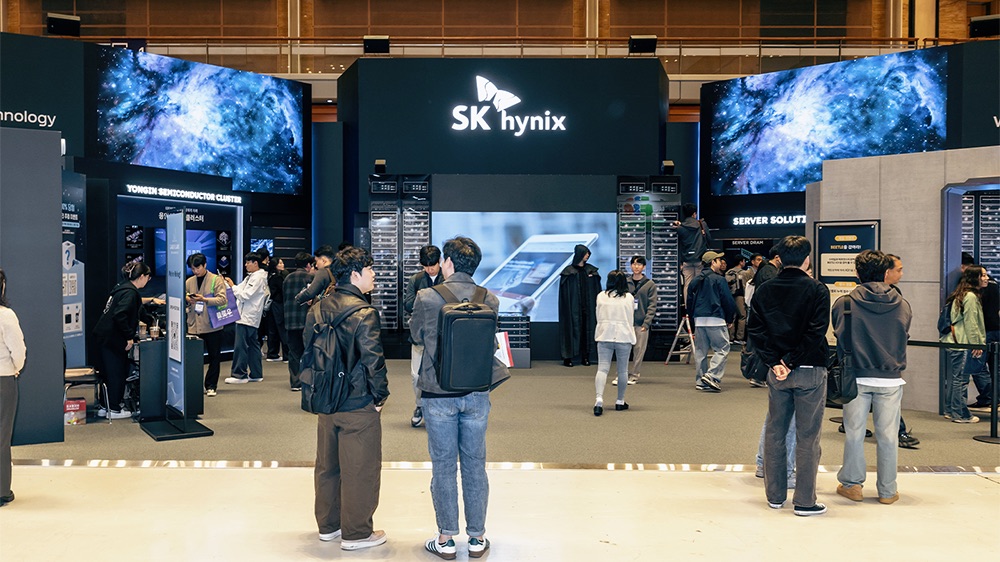
Ota said Kioxia and SK Hynix are not discussing joint chip production, despite recent comments from SK Inc. Chairman Chey Tae-won suggesting a potential manufacturing partnership. An SK Hynix representative later clarified that Chey had been speaking broadly and that no negotiations were underway.
A deeper manufacturing alliance would be difficult because Kioxia already operates joint production facilities with Sandisk in Japan. Ota said simply adding SK Hynix to create a three-company manufacturing arrangement would not be straightforward, particularly given potential competition and regulatory issues.
Kioxia is a major producer of NAND flash memory, which is widely used in solid-state drives and high-capacity data storage. Demand for memory chips has surged alongside investment in artificial intelligence infrastructure, prompting manufacturers to expand capacity as prices climb sharply.
However, Ota said memory chip prices have already risen enough and warned that further increases could eventually undermine long-term AI demand. Prices for some memory products have recorded double- or even triple-digit increases as AI service providers compete for available supply.
Kioxia and Sandisk plan to invest more than ¥5 trillion ($33 billion) to increase production capacity at their jointly operated facilities in northern and central Japan. SK Hynix, meanwhile, is planning a 54 trillion won ($40 billion) expansion of its semiconductor manufacturing operations in South Korea and is developing an advanced memory packaging facility in West Lafayette, Indiana.
Despite ruling out closer manufacturing ties, Kioxia and SK Hynix maintain several business connections. SK Hynix owns convertible bonds that could give it a 14.19% stake in Kioxia. The companies are also collaborating on nonvolatile magnetic memory technology, while Kioxia purchases DRAM chips from SK Hynix for use in some solid-state drives.
The comments underscore how booming AI chip demand is driving massive investment across the global memory semiconductor industry while also raising competitive and antitrust considerations.