Commentary author Arnold Kling argued in an Oct. 20 essay that France's protests reflect a deferred conflict over public benefits and government debt, adding to political strain over the country's finances.
Kling argued that deficit spending can put off a dispute between people expecting government benefits and bondholders expecting repayment. He contended that France had reached a point where that conflict could no longer be delayed.
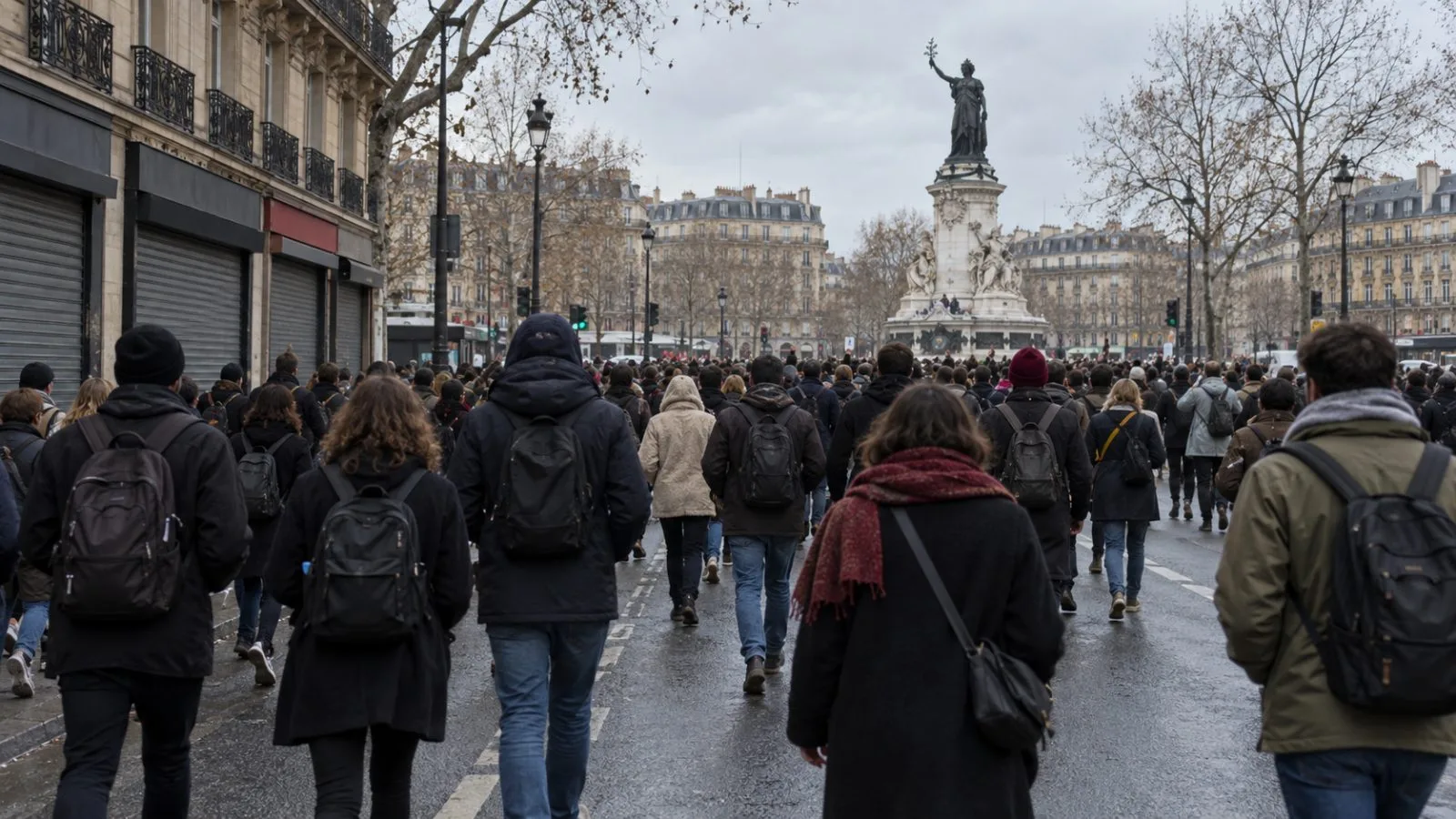
He described the protest movement as loosely organized, with unclear goals. Kling said it appeared to involve students, opportunistic looters and Yellow Vests, and that Palestinian flags were present. He also argued that political leaders were seeking authority they no longer held, comparing President Emmanuel Macron to England's Long Parliament.
The unrest has raised concerns for businesses that depend on visitors. The warning from ADN Tourisme and three other tourism groups said closures, difficulty traveling and possible cancellations could put local companies and jobs at risk.
Agence France Trésor, France's debt agency, lists Moody's rating for the country at Aa3 with a negative outlook. It gives Oct. 23 as the date of Moody's next decision on France's credit rating.