Korea Zinc and Solarcycle launched Jupiter on Nov. 16, a recycling venture with U.S. facilities that Jupiter says would return recovered materials to supply chains serving digital and energy infrastructure.
The venture combines Solarcycle’s solar-panel recycling assets with recycling, IT asset disposition and supply-chain operations from PedalPoint Recycling, Korea Zinc’s U.S. recycling business. Jupiter’s launch announcement listed eight certified U.S. facilities, 250 employees and nearly 1 million square feet of processing space. It said the platform was intended to give customers a single provider for asset recovery.
Jupiter’s planned services span decommissioning and triage, resale and reuse, recycling and refining. The company named hyperscalers, data-center operators and other businesses managing digital and energy infrastructure as potential customers.
Korea Zinc will hold a majority stake, Jupiter said. Solarcycle, its existing investors and management will hold the remainder, with Microsoft and Prologis Ventures among those named in that group. The announcement did not disclose the ownership percentages or transaction value.
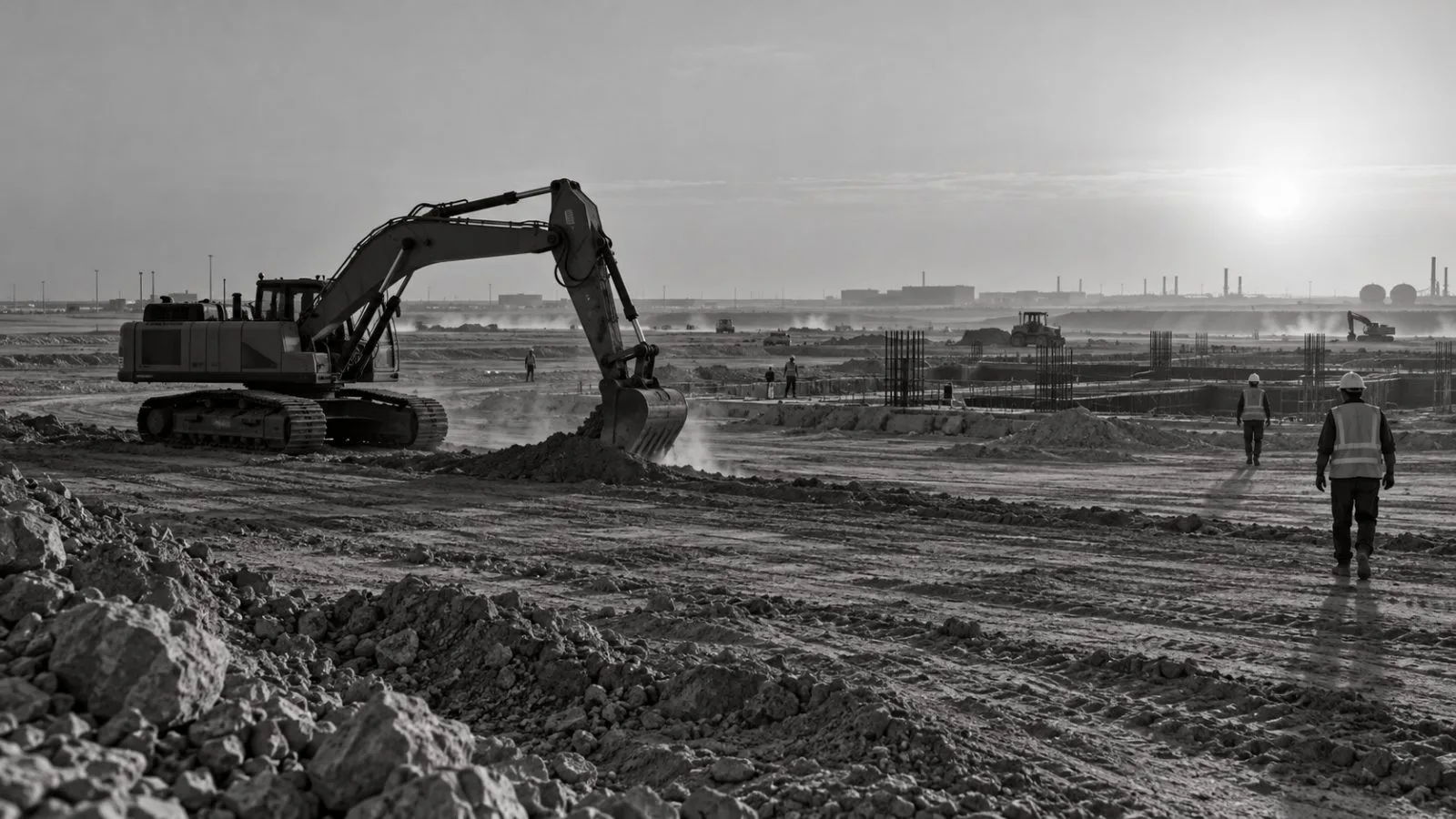
Jupiter says it intends to route recovered metals through Korea Zinc’s refining network, which includes Project Crucible, the company’s planned facility in Clarksville, Tennessee. Korea Zinc says the plant is designed to process about 1.1 million tons of raw materials and produce 540,000 tons of finished products annually. The company puts the project’s planned total investment at $7.4 billion, including $6.6 billion in capital expenditures.
Korea Zinc says its existing Clarksville smelter is the only zinc smelter in the United States and has operated for nearly 50 years. The company has cited limited U.S. smelting capacity and supply-chain vulnerability as reasons for Project Crucible. Microsoft General Manager for Market Development Brandon Middaugh said, “Recovering and reusing critical materials will become increasingly important to building resilient domestic supply chains and advancing a more circular economy.”
Korea Zinc targets full-scale construction in 2027, with phased operations at Project Crucible targeted for 2029.