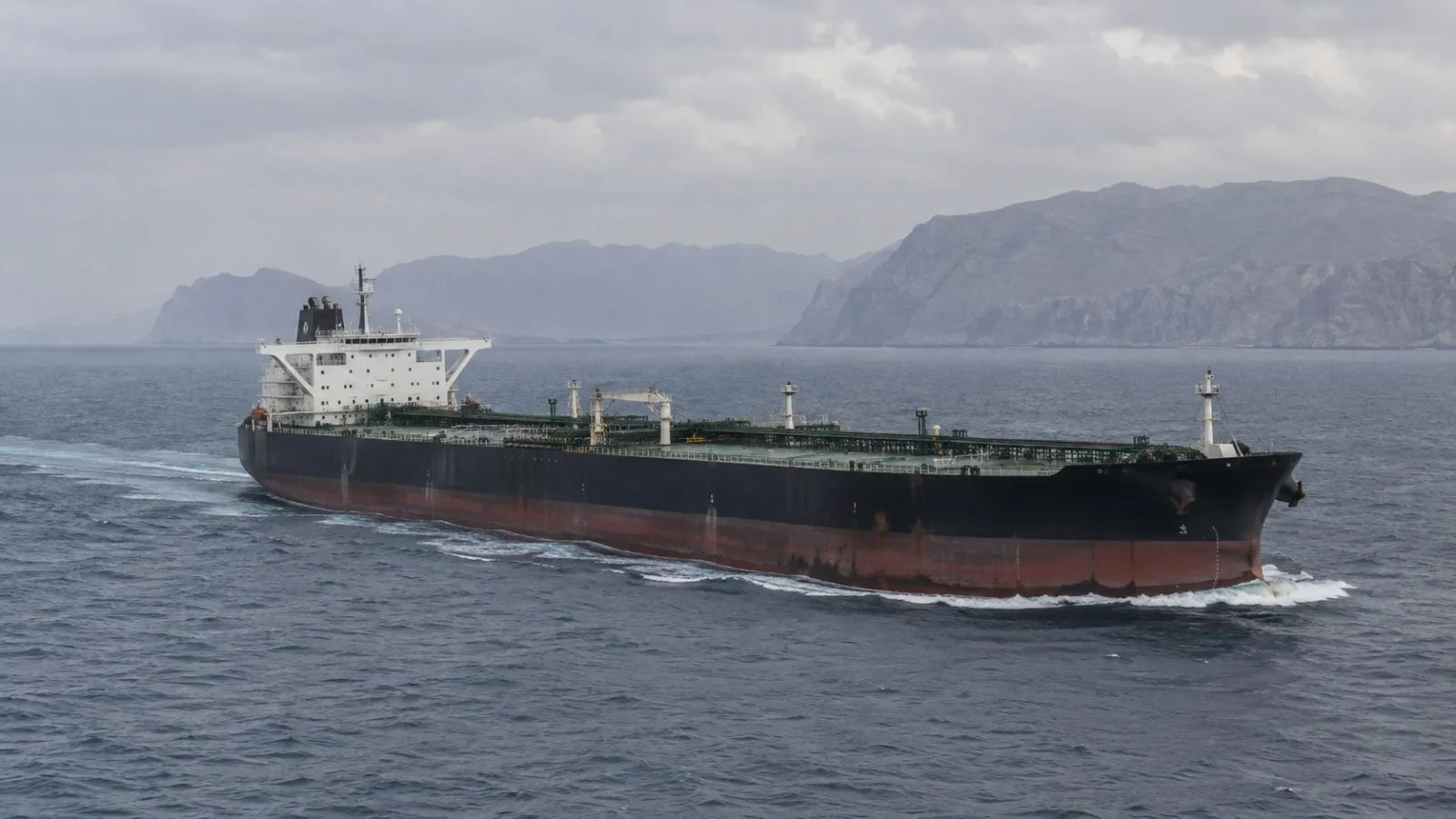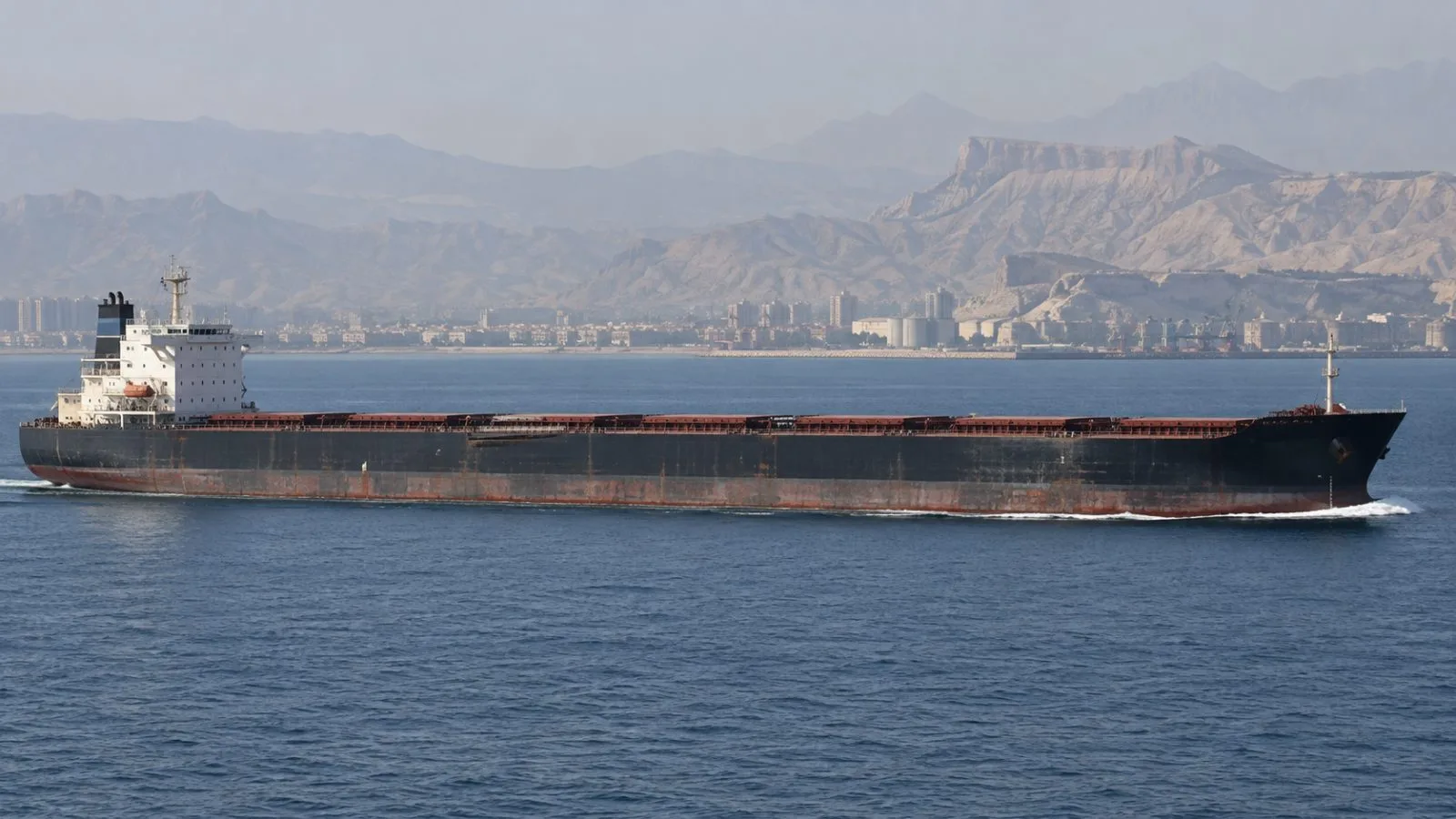
A Kpler analyst told The National that Middle East fertilizer exports fell sharply in September, potentially exposing Asian buyers who received a major share of Gulf shipments in 2024.
Kpler senior manager for agriculture data Madeleine Overgaard told The National that shipments totaled 994,000 metric tons, down 70% to 75% from 3.41 million metric tons in September 2025. The estimate comes from the outlet’s report of Overgaard’s comments.
In 2024, Gulf-region economies accounted for 24.8% of global nitrogenous fertilizer exports and 11.4% of phosphatic exports, according to World Trade Organization (WTO) data. Asian economies received 40% of the region’s nitrogenous shipments and 48% of its phosphatic exports. These destination shares suggest possible exposure for Asian buyers but do not measure the Gulf’s share of Asia’s total fertilizer supply.
The WTO and AXSMarine tracker showed that fertilizer-related shipments through Hormuz remained sporadic and subdued in July and August, with seven-day averages near zero for much of the period. Its volume estimates cover voyage segments when ships transmit AIS signals, so AIS-off periods can be missed and actual traffic may be higher.
Kpler’s separate sulfur series showed that traffic through Hormuz had not returned to pre-conflict levels by September. Sulfur is an input in phosphate fertilizer production, so the data indicate pressure on one part of the supply chain rather than measuring all fertilizer exports.
International Food Policy Research Institute (IFPRI) researchers found global nitrogen fertilizer exports fell 9% year over year in January-June 2026, while phosphate exports declined by more than 9%. Over the same period, China’s nitrogen fertilizer exports rose about 47% to 2.8 million metric tons, measured in nitrogen equivalents; U.S. nitrogen fertilizer exports rose nearly 60% to 1.2 million metric tons. IFPRI said the additional Chinese and U.S. volumes partly filled supply gaps.
IFPRI also reported that sulfur prices more than doubled over the six months to September, raising costs across fertilizer markets. The Food and Agriculture Organization of the United Nations (FAO) said its Food Price Index averaged 136.0 points in September, up 1.5% from August and 5.8% from a year earlier. In its commodity-price commentary, FAO said uncertainty over Hormuz shipping kept concerns about fuel, fertilizer and freight costs elevated, supporting commodity prices, particularly maize.
Overgaard warned that fertilizer deficits may reduce harvests and raise food inflation next year. “Fertiliser deficits experienced today may inevitably show up in reduced harvests and higher food inflation downstream next year,” she told The National.
FAO’s next monthly Food Price Index release is scheduled for Friday, Nov. 6.