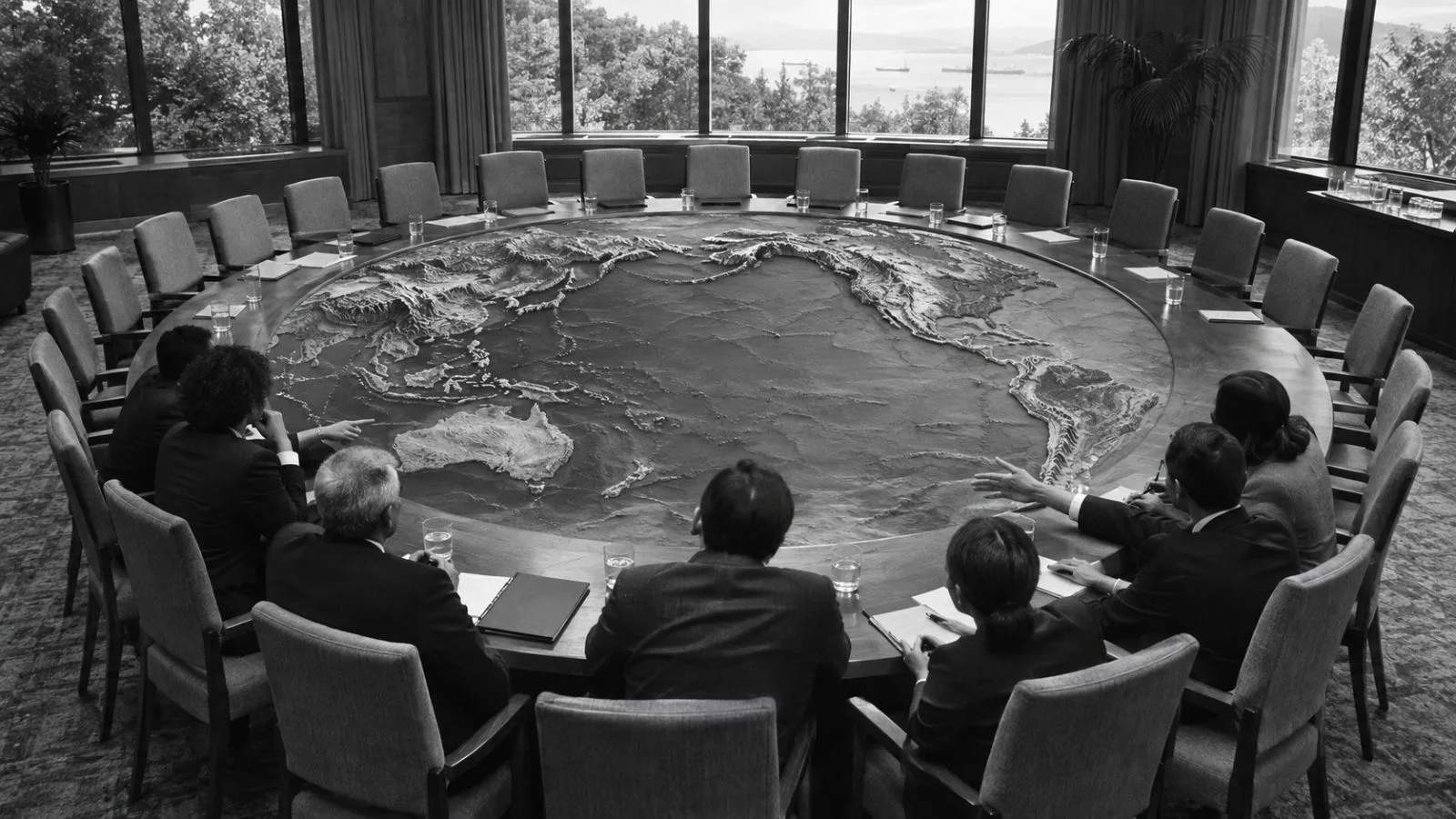
The Kremlin rejected comparing a planned U.S.-China-Russia leaders’ meeting with the 1945 Yalta conference, a framing that raises questions about Washington’s role in discussions involving the futures of other countries.
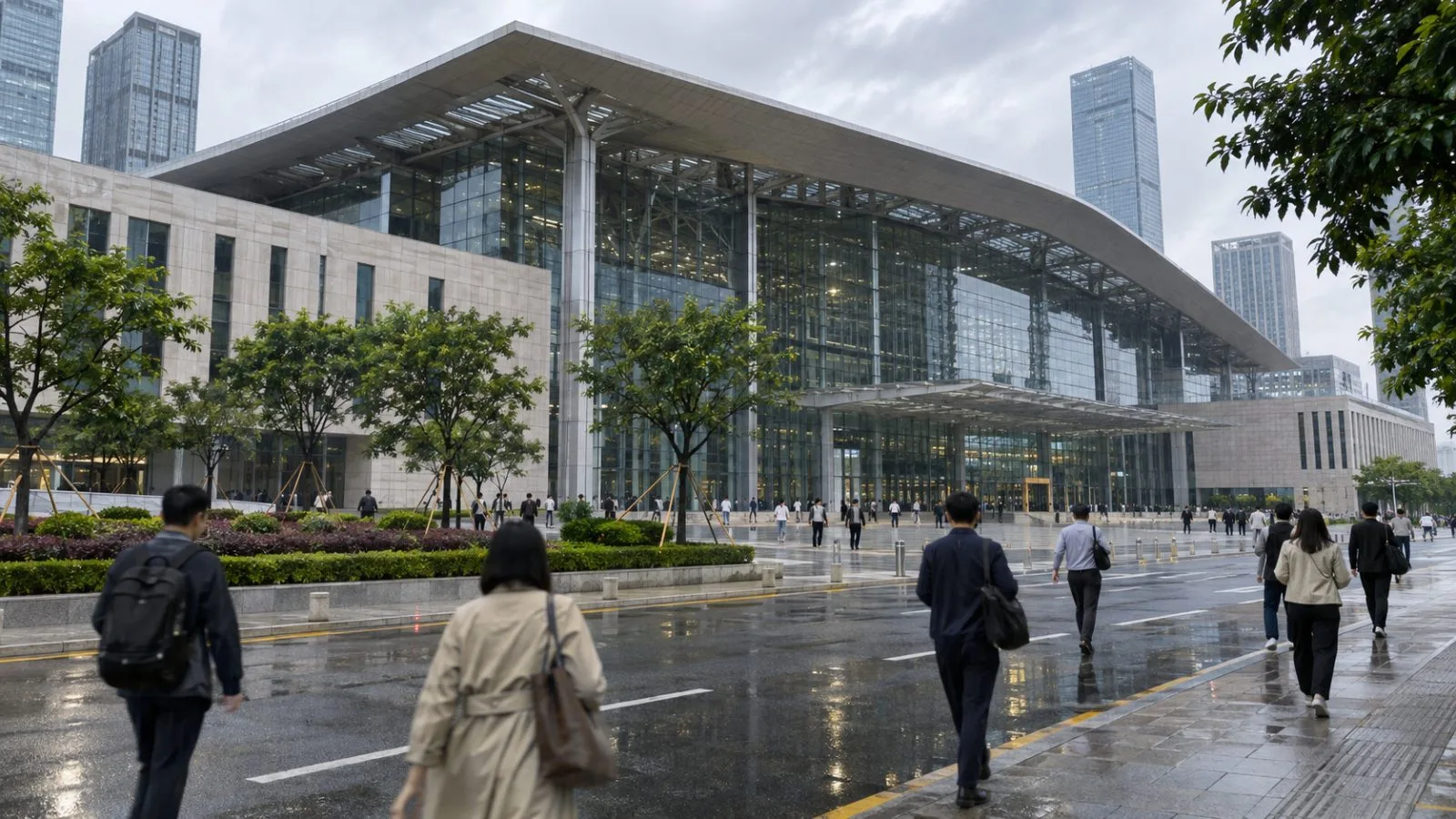
Reuters reported that Russian President Vladimir Putin, Chinese President Xi Jinping and U.S. President Donald Trump are due to meet Nov. 19 in Shenzhen, China, on the sidelines of the Asia-Pacific Economic Cooperation (APEC) summit. Chinese Foreign Ministry spokeswoman Mao Ning said in Beijing that the gathering would be the first face-to-face meeting among the three countries’ heads of state. She said sustained contact could help the governments work through disagreements and improve relations, benefiting all three countries. Mao did not provide agenda details.
Kremlin spokesman Dmitry Peskov said Russia and China back a world order with multiple centers of power. He said the two governments do not want outside powers deciding their futures or intend to determine the fate of other nations. Interfax quoted Peskov dismissing the comparison as “games of political scientists.” He called the meeting important and said part of it would be open to the media.
Yalta brought Soviet, British and U.S. wartime leaders together in 1945 to discuss Europe’s postwar order. A U.S. Department of State historical record says President Franklin Roosevelt raised a possible trusteeship for Korea with Soviet leader Joseph Stalin on Feb. 8, 1945, while British Prime Minister Winston Churchill was absent from that exchange. The record contains no later discussion of Korea at Yalta.
Before China confirmed the summit, a South Korean official called for safeguards around a possible meeting, warning it should not become a “second Yalta Conference,” Hankyoreh reported. EconoTimes covered the official’s earlier call for safeguards. The leaders are due to meet Nov. 19.