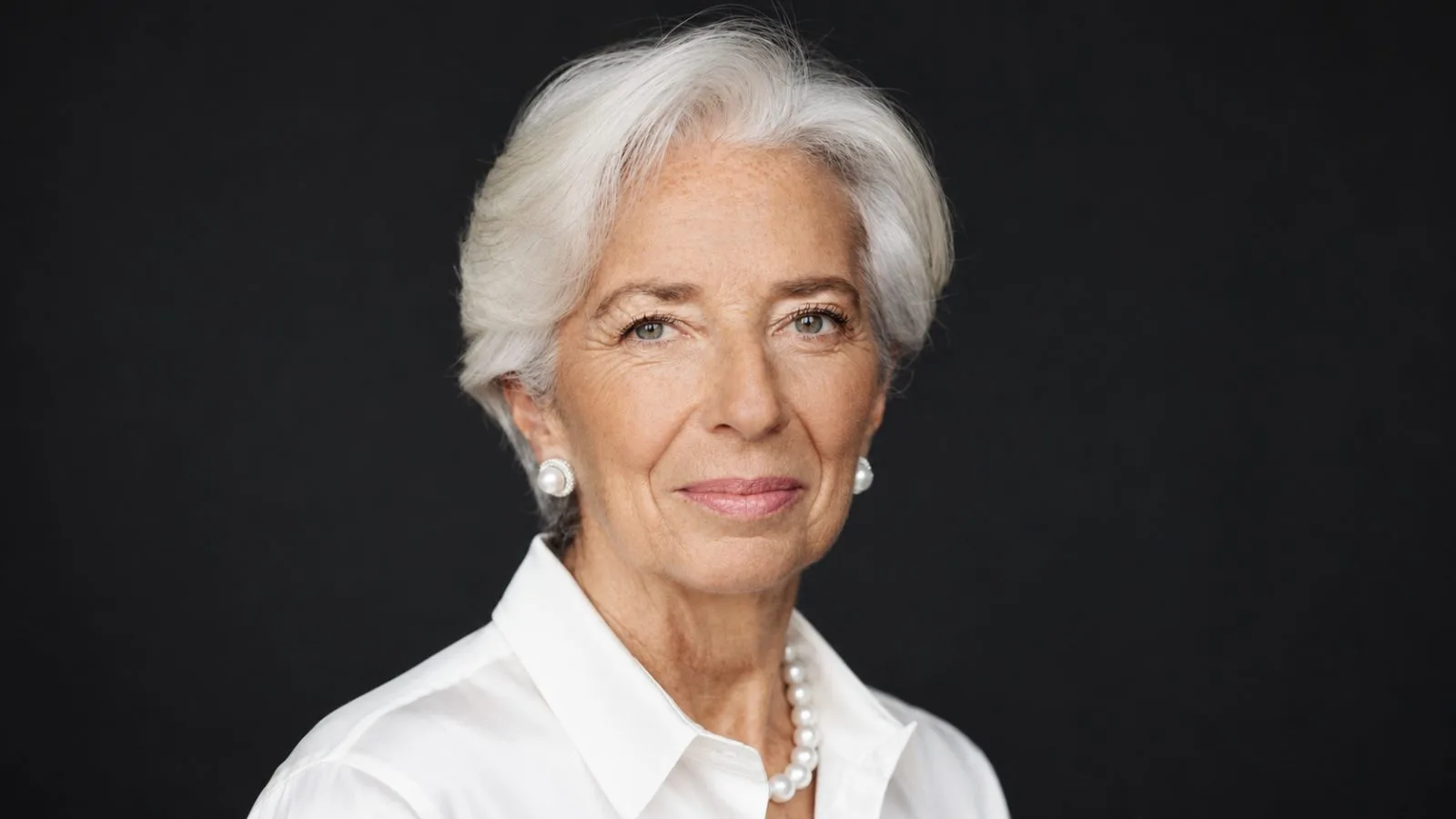
The National’s Nov. 2 commentary considered whether ECB President Christine Lagarde’s post-ECB profile could shape France’s political debate, while the central bank has announced no political role for her.
The ECB said Oct. 29 that Lagarde had informed its Governing Council and European Council President António Costa of her decision to leave on Feb. 7, 2027. Her term began Nov. 1, 2019, and was scheduled to end Oct. 31, 2027, about nine months later. At a news conference that day, Lagarde said leaving early would give her more freedom to engage on issues beyond monetary policy. She said ECB leaders must preserve political neutrality to protect the bank’s independence.
France’s official calendar sets the first round of its presidential election for April 18, 2027, and the second for May 2. The ECB has not said Lagarde plans to run, endorse a candidate or take another political post.
The National argued that Lagarde’s profile could matter to France’s political center. The commentary also pointed to former ECB President Mario Draghi’s public influence after leaving the bank and his 2024 European Commission report on competitiveness as an example of a prominent post-ECB role. That political comparison is the commentary’s interpretation; it does not establish a plan for Lagarde.
Reuters reported Sept. 30 that Lagarde told La Croix a French presidential run would not be a good idea, quoting her as saying, “That would not be a good idea at all.” Before becoming ECB president, she was France’s economy and finance minister from 2007 to 2011 and managing director of the International Monetary Fund from 2011 to 2019.
Separately, Costa said the ECB succession process would begin Oct. 29 and proceed without delay. The European Council appoints the ECB president after a Council recommendation and consultations with the European Parliament and the ECB Governing Council. France’s first-round vote is scheduled for April 18, 2027, with a second round on May 2.