A City of Lancaster summary lists proposed terms for two data center campuses, including $20 million for community funds and a water cap, as local ballot measures put projects under scrutiny.
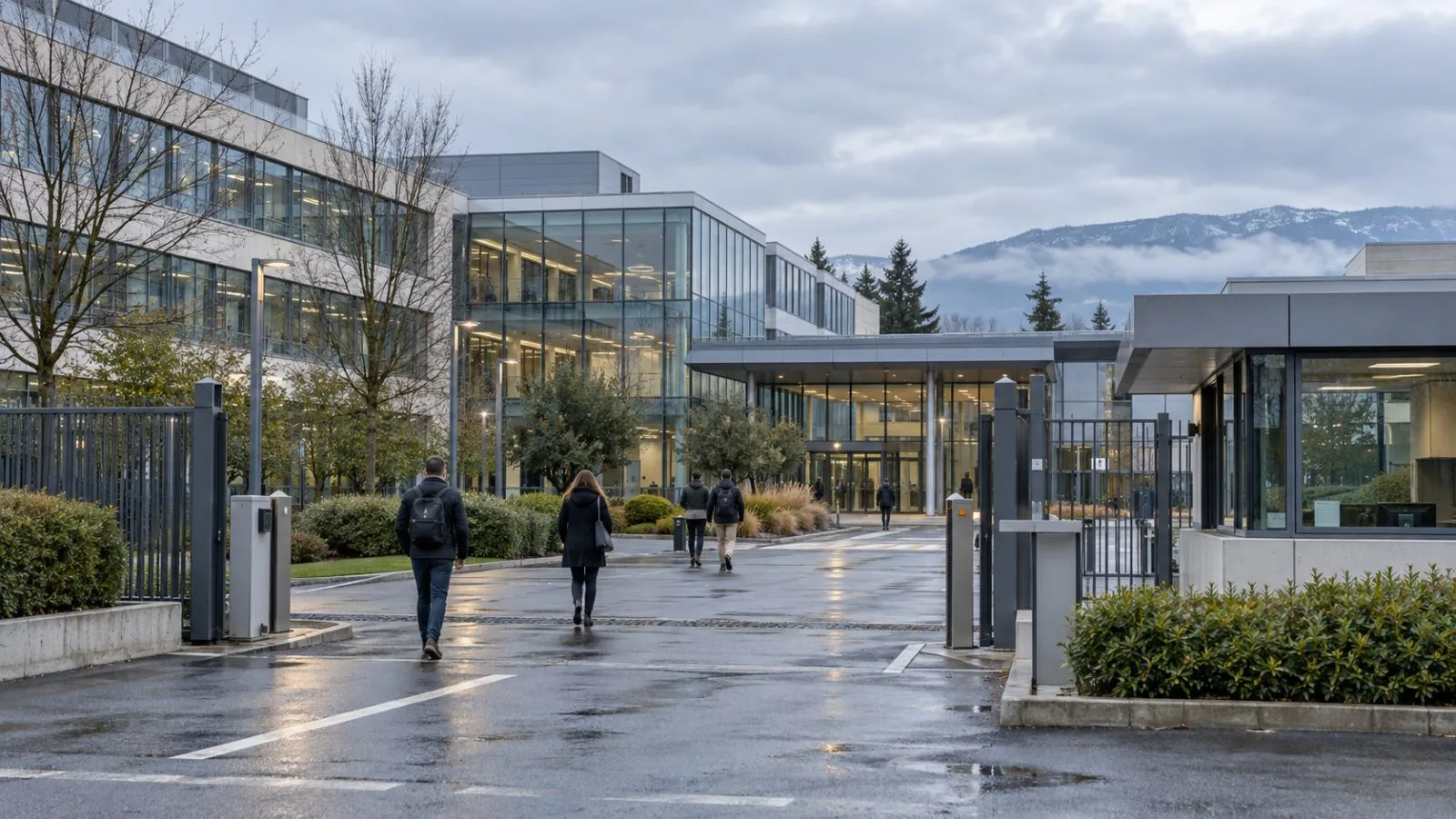
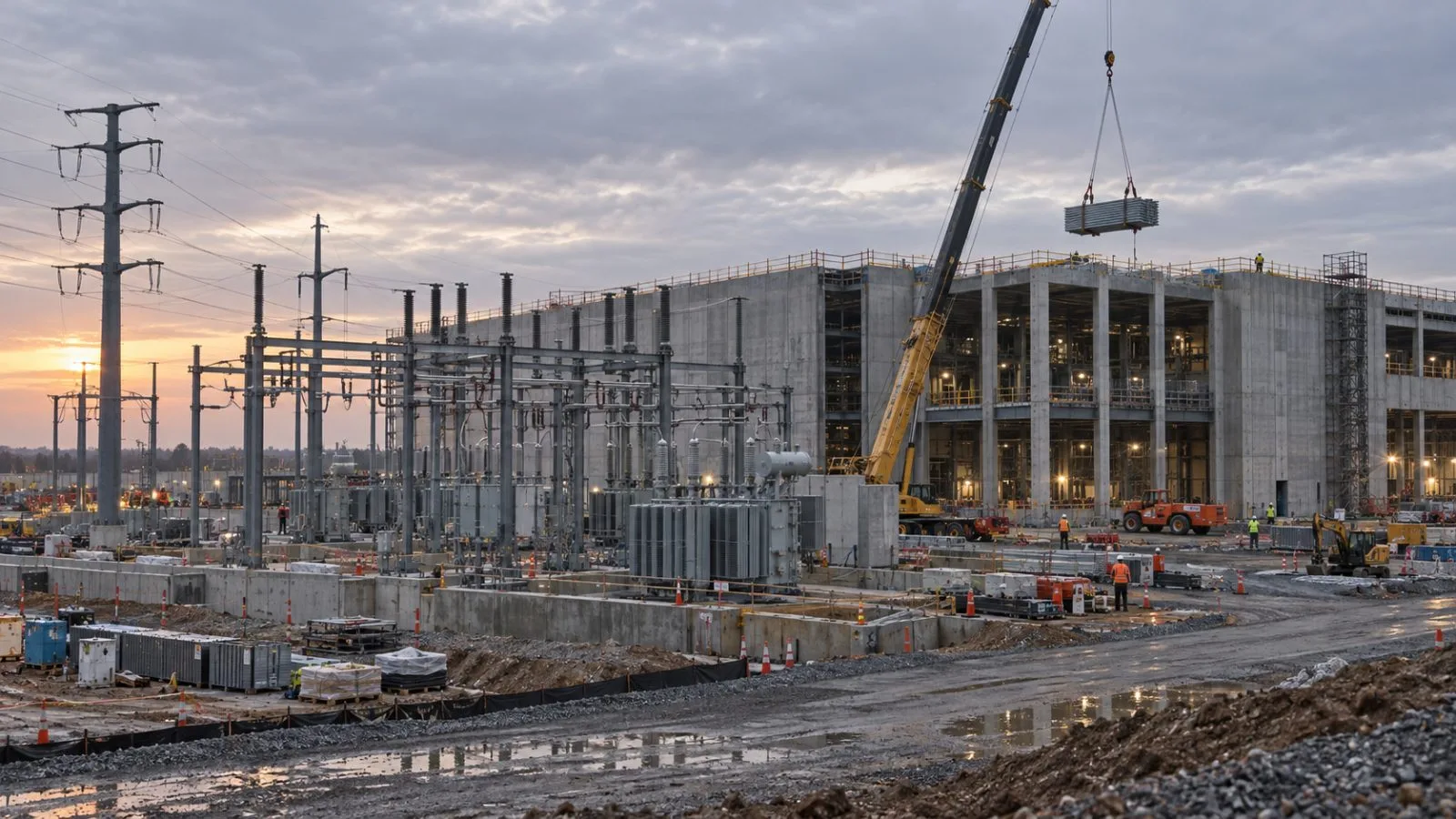
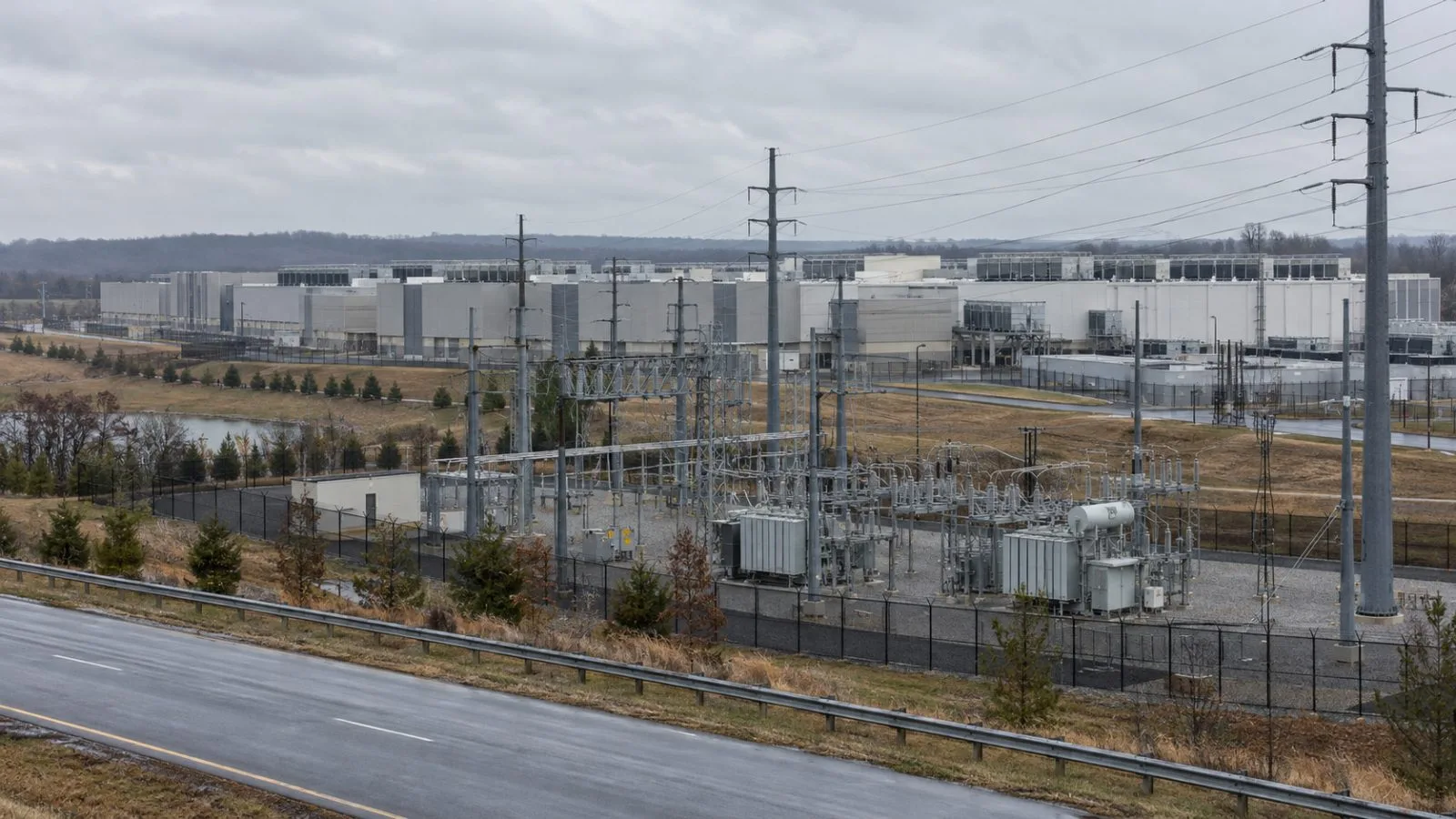
The city says Chirisa Technology Parks is developing the facilities at two former R.R. Donnelly sites. The posted agreement draft describes three buildings across two campuses of about 75 acres each, names CoreWeave, Inc. as the initial tenant for the first East campus building and says the owners expect about 150 people to operate each campus. The workforce figure is an estimate, not a reported hiring result.
The summary proposes $10 million for an economic development fund and another $10 million for Lancaster’s Sustainable Development and Clean Energy Fund, with payments phased as the project develops. The city says the developers will receive no tax breaks from Lancaster City. Proposed municipal water use is capped at 20,000 gallons per day per campus; the city says the previous site user averaged 100,000 to 125,000 gallons daily. The summary also lists a clean-energy commitment, noise limits and reimbursement of city emergency-response costs above $25,000 per incident.
The full agreement copy posted by the city is marked as a draft and leaves its effective-date and signature fields blank.
The local terms come amid wider resistance to large AI data centers. Brookings Institution senior fellow Darrell West told NPR on Oct. 29 that local officials have gained bargaining power as opposition grows. NPR reported residents’ concerns about noise, water use, land demands and electricity bills. West said data centers are one of several factors behind rising electricity rates, alongside economic and political pressures. He also described some rural residents as preferring open farmland views and opposing an industrial facility as a neighbor.
Brookings Director of the Center for Technology Innovation and Senior Fellow in Governance Studies Nicol Turner Lee and West recommend publishing measurable job and tax estimates, tracking community benefits and accounting for tax breaks and the possibility that a project never begins operating. Their analysis notes that Cleveland has used community benefit agreements for economic development projects since 2013.
Ballotpedia lists at least 49 local data center-related measures across 13 states this year, with 41 scheduled for the Tuesday, Nov. 3, general election.