Lebanon is set to begin a new round of direct negotiations with Israel in Washington on Tuesday, despite growing concerns that recent Iran-U.S. diplomatic developments have weakened Beirut’s position. Lebanese officials remain committed to pursuing face-to-face talks with Israel, viewing them as the most viable path toward ending months of conflict along the border.
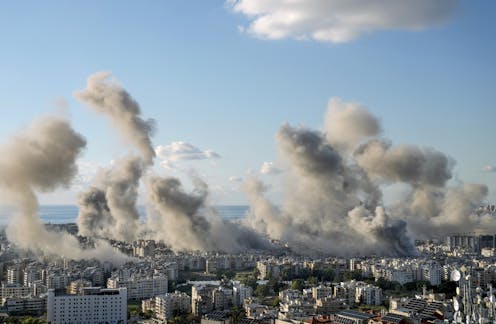
The war intensified on March 2 after Hezbollah launched attacks against Israel in support of Iran, prompting extensive Israeli airstrikes and ground operations across Lebanon. The violence has reportedly claimed more than 4,000 lives, making a lasting ceasefire a top priority for Lebanese leaders.
Although four rounds of Lebanon-Israel negotiations have taken place since April, no permanent ceasefire agreement has been reached. Instead, the most significant reduction in hostilities followed a recent memorandum of understanding between Iran and the United States, which called for a halt in fighting across multiple regional fronts, including Lebanon.
The agreement strengthened the position of Iran-backed Hezbollah while raising concerns within the Lebanese government. President Joseph Aoun and other officials have repeatedly emphasized that Lebanon’s future should not be negotiated by Tehran. Sources familiar with the situation told Reuters that the Iran-U.S. understanding has undermined Beirut’s diplomatic leverage ahead of the latest talks.
A key objective for Lebanon is securing a timetable for an Israeli military withdrawal from southern Lebanon. However, Israeli leaders have signaled that troops could remain in the area indefinitely. Lebanese negotiators are expected to push for a realistic withdrawal schedule in hopes of reviving momentum in the peace process.
Israel, meanwhile, has stated that its primary goals include disarming Hezbollah and pursuing a broader peace agreement with Lebanon. Israeli officials argue that Hezbollah remains the main obstacle to long-term stability.
The Lebanese government has cautiously explored options for reducing Hezbollah’s military influence but has avoided direct confrontation out of concern that it could trigger internal unrest. Hezbollah continues to oppose full disarmament and has urged Beirut to abandon direct negotiations with Israel, instead placing its trust in Iran’s discussions with Washington.
Analysts suggest that while the Iran-U.S. agreement has temporarily reduced violence, fundamental disagreements between Lebanon and Israel remain unresolved. As negotiations continue in Washington, prospects for a breakthrough appear uncertain, with both sides maintaining sharply different positions on security, military withdrawal, and Hezbollah’s future role in the region.