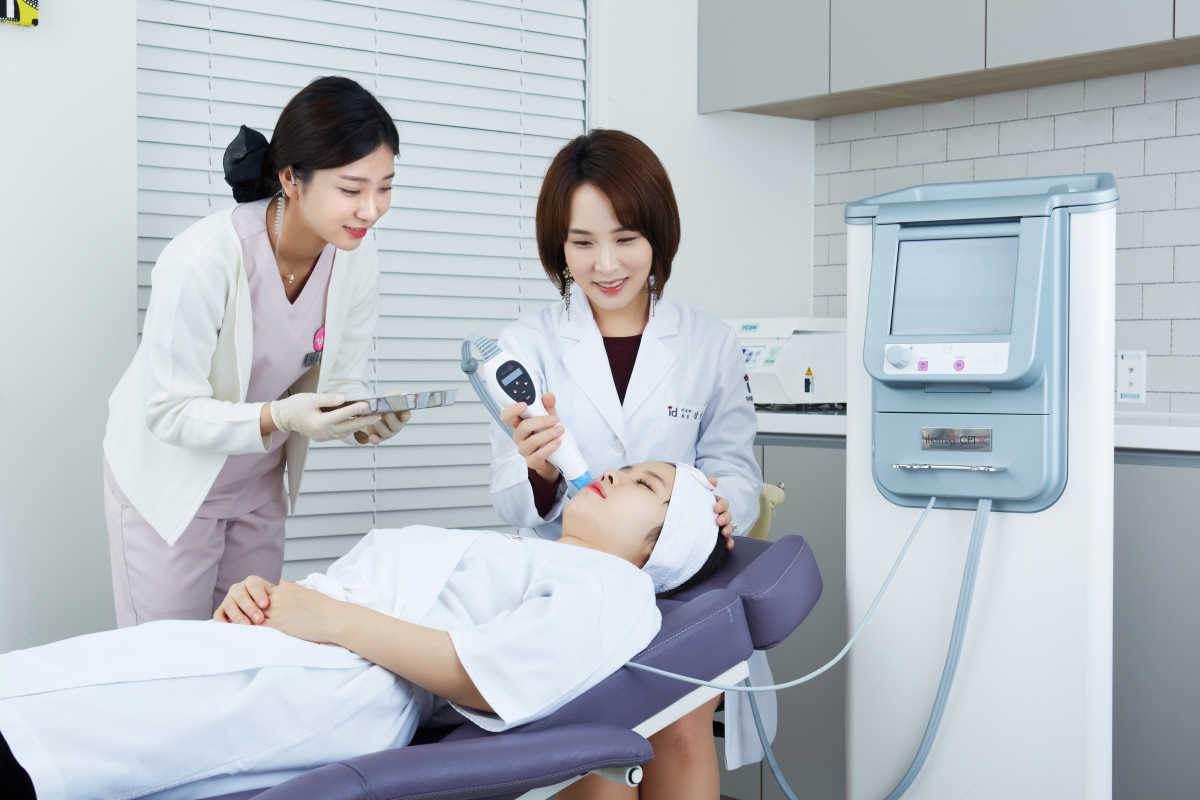
With the South Korean government lifting the outdoor mask mandate earlier this year, more citizens in their 20s are frequenting skin and plastic surgery clinics.
According to Monimo, spending at skin and plastic surgery clinics among Samsung Card holders between the ages of 20 and 50 increased by 26 percent from the previous year.
Compared to the previous year, their spending at plastic surgery clinics increased by 25 percent in the second quarter.
Young Koreans in their 20s experienced the highest rate of growth, spending 43 percent more at skin clinics and 41 percent more at plastic surgery clinics.
They were followed by those in their 40s, who in the second quarter of this year spent almost 30 percent more at skin and plastic surgery clinics, investing more in their skin than those in their 30s.
The termination of social distancing policies, according to industry observers, caused many consumers to feel uncomfortable showing their faces, which increased the need for people to attend skin and plastic surgery clinics to treat their skin issues.



Asian Currencies Steady as Yen Holds Firm, Oil Tops $100
Google Revamps EU Search Results to Meet DMA Rules
Every generation thinks they had it the toughest, but for Gen Z, they’re probably right
Yes, government influences wages – but not just in the way you might think
TetherMax Expands into Asian Market Following Rebranding, Names Actor Yun Siyun as Brand Ambassador
Disaster or digital spectacle? The dangers of using floods to create social media content
Apple Unveils $1,999 Foldable iPhone Duo
Why financial hardship is more likely if you’re disabled or sick
Blackstone Eyes $2 Billion ZO Skin Health Sale
Nvidia-Groq AI Chip Deal Faces U.S. Antitrust Probe
U.S. Accuses Chinese AI Firms of Extracting Model Capabilities
Asian Currencies Subdued as Yen Weakens Ahead of Fed, BOJ Decisions
AI is driving down the price of knowledge – universities have to rethink what they offer
Enflame Shares Surge 200% in Shanghai AI Chip Debut
Can your cat recognise you by scent? New study shows it’s likely
Debate over H-1B visas shines spotlight on US tech worker shortages 


