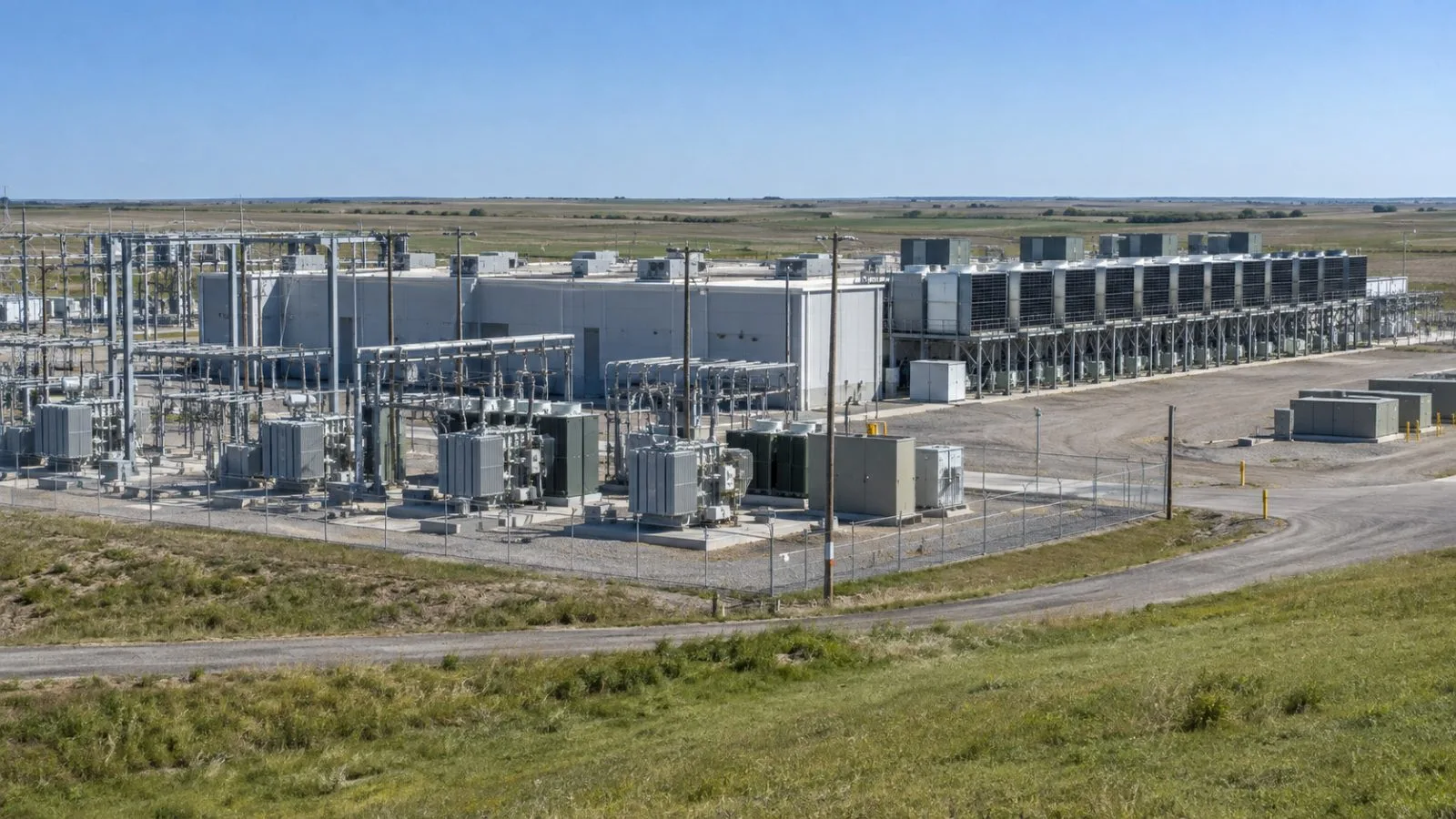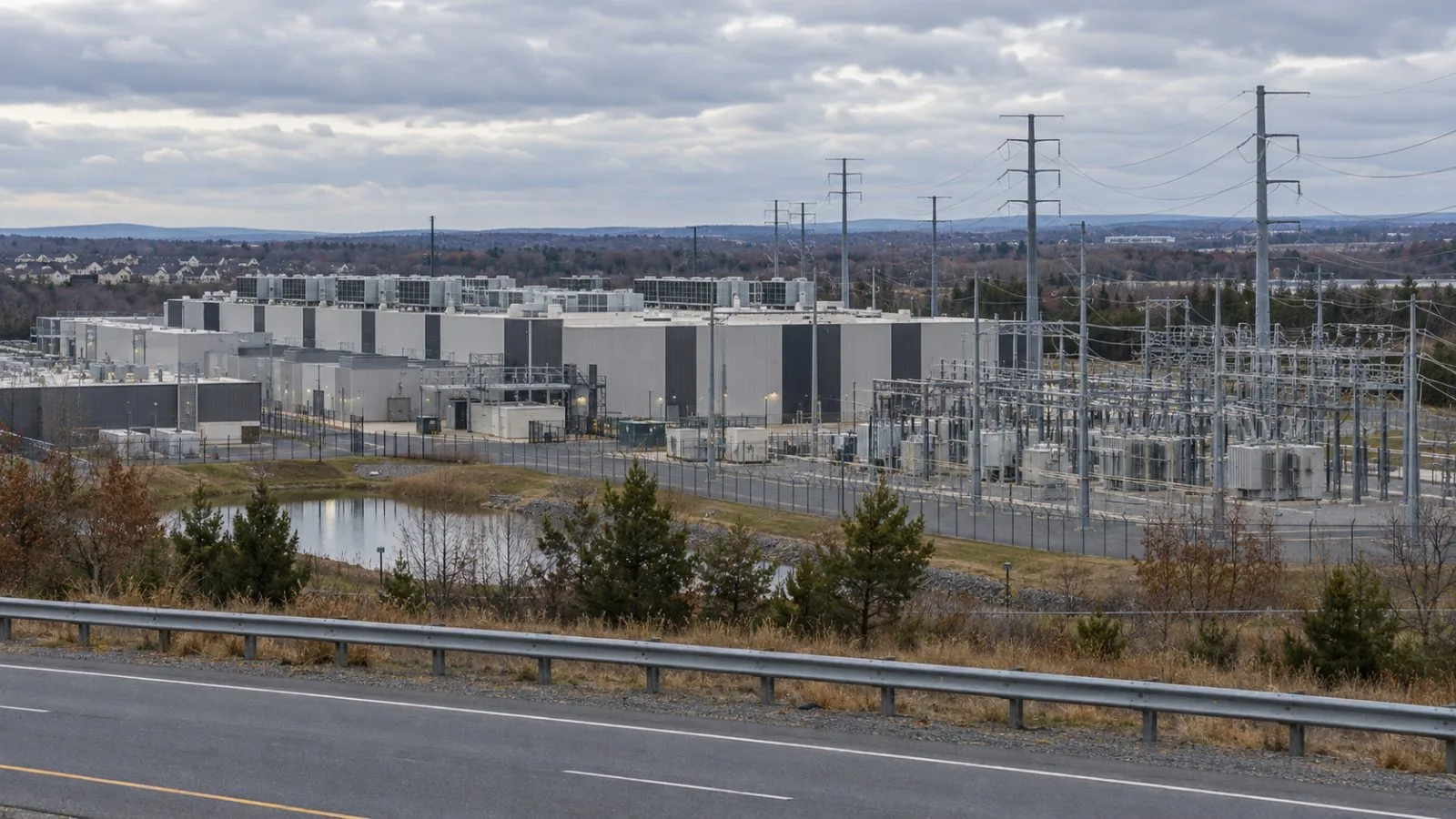
A working paper estimated that data-center entry raised U.S. household electricity prices by 2.1%, as forecasts point to rising power demand from the facilities over the rest of the decade.
Researchers at the Massachusetts Institute of Technology’s Center for Energy and Environmental Policy Research examined utility data from 2010 through 2024. They estimated a 2.7% average price effect across retail customers, with a 2.1% effect for residential customers. The estimate reached 5.6% at investor-owned utilities, was smaller at publicly owned utilities and showed no increase among cooperatives. Effects were also larger in states with deregulated electricity generation.
The researchers link how costs pass through to customers to regulation and cost recovery, including differences in utilities’ exposure to system constraints. Separately, the U.S. Energy Information Administration’s preliminary table lists the July 2026 residential average at 18.31 cents per kilowatt-hour, up 4.9% from July 2025. That national price series does not isolate data centers’ role in the annual change.
A Federal Reserve Bank of Dallas working paper modeled wholesale electricity markets. It estimated data centers raised prices 6.9% nationwide by 2025 and 15% in Northern Virginia. In its preferred case, the national effect reached 12.3% by 2028. The estimates concern bulk-market sales, while the MIT paper measures retail prices paid by customers. The Dallas Fed paper also said roughly half of the increase in generator payments would be transfers to inframarginal generators.
Lawrence Berkeley National Laboratory’s United States Data Center Energy Usage Report: 2025 Update projects data centers could account for 11.8% of U.S. electricity consumption in 2030. Its scenarios span 9.5% to 15.3%, based on different assumptions about equipment shipments and power use.
The White House reports that more than 300 organizations have joined its Ratepayer Protection Pledge, with signatories accounting for about 80% of electricity supplied to U.S. homes and businesses. Microsoft says it plans to pursue utility rates that include both its data centers’ power needs and related infrastructure costs. Anthropic says it will cover consumer price increases tied to its data centers and pay for grid upgrades needed to connect them. Microsoft has compared AI infrastructure expansion with past U.S. investments in canals, railroads, the electric grid and highways. The company announcements describe intended protections; they do not provide before-and-after household bill figures.