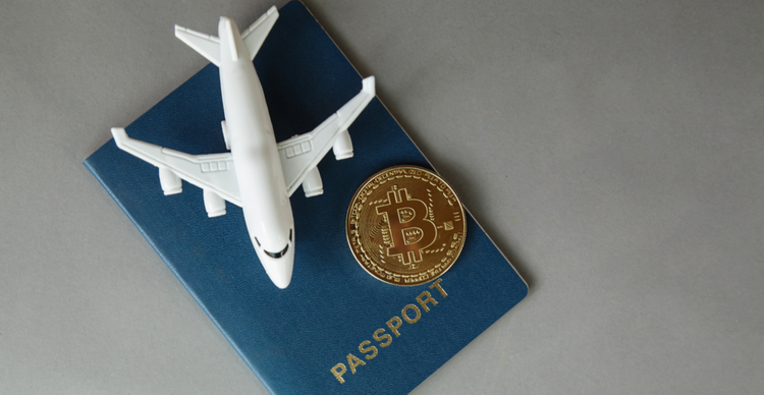
The Tourism Authority of Thailand (TAT) is considering issuing its utility token dubbed TAT Coin that would create a “cryptourism atmosphere” and attract potential travelers and visitors to increase income in the industry.
The authority hopes that the TAT Coin, or a non-fungible token (NFT), could boost demand from the cryptocurrency market and increase tourist traffic.
The TAT Coin would allow the transfer of travel vouchers into digital tokens to help operators gain greater liquidity.
The TAT is now coordinating with the Stock Exchange of Thailand on the possible introduction of the token.
As part of its cryptourism atmosphere initiative, the Tourism Authority of Thailand also considers offering bitcoin debit card services at the country’s airports.
Crypto nomads can use these cards to make purchases during trips without having to pay high fees at ATMs or money exchange shops.
The TAT’s long-term plan is to upgrade Thailand’s business and leisure tourism platform in cooperation with Bitkub, a local cryptocurrency exchange.



What’s the difference between baking powder and baking soda? It’s subtle, but significant
Gold Prices Set for Weekly Loss as Iran Tensions and Fed Rate Outlook Weigh
Disaster or digital spectacle? The dangers of using floods to create social media content
US Stock Futures Steady as US-Iran Tensions and Fed Inflation Concerns Weigh on Markets
Asian Stocks Slip as Iran Tensions, Samsung Weakness and Fed Caution Weigh on Markets
Gold Prices Slip as U.S.-Iran Conflict, Fed Rate Hike Bets Pressure Precious Metals
Why have so few atrocities ever been recognised as genocide?
US Launches New Iran Strikes as Strait of Hormuz Conflict Escalates, Oil Prices Rise
Japanese Yen Rises as Pension Fund Plan and BOJ Rate Hike Bets Weigh on Dollar
FxWirePro- Major Crypto levels and bias summary
Why financial hardship is more likely if you’re disabled or sick
How to support someone who is grieving: five research-backed strategies
Dollar Ends Week Higher as Yen Jumps on Japan Pension Fund Investment Plans
Yes, government influences wages – but not just in the way you might think 


