An essay by politics professor Josef Gregory Mahoney connects the 1935 Lazikou battle to China’s present-day politics, as President Xi Jinping used the Long March’s 90th anniversary to link its history with national goals.
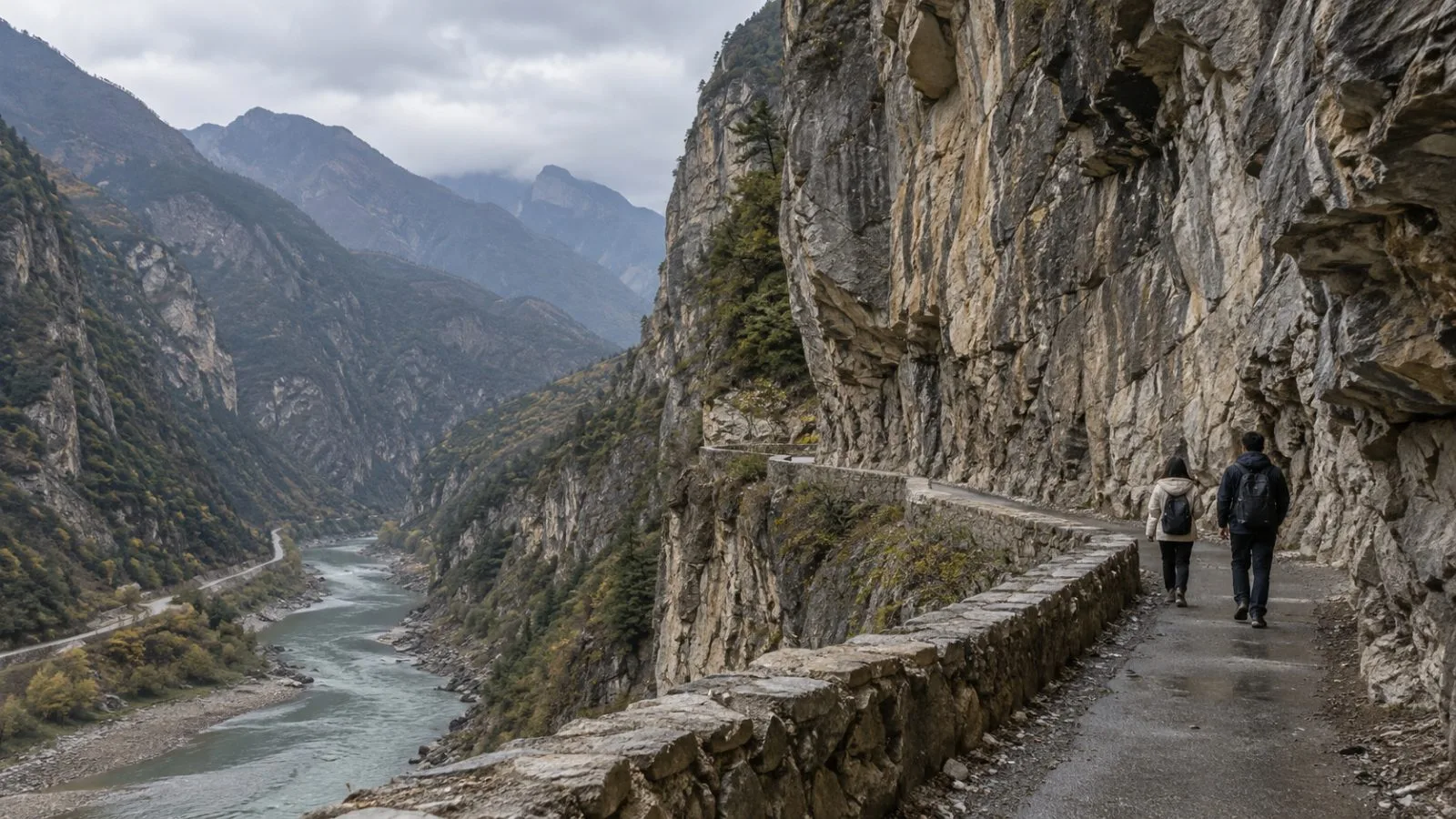
China Diplomacy published Mahoney’s essay Oct. 27, five days after Xi spoke at a Beijing ceremony on Oct. 22. Mahoney, a professor of politics and international relations at East China Normal University, says he visited the pass with his son. His essay uses the episode to discuss adapting strategic choices to local conditions and extends that argument to climate, development and international security.
The Yantian Archives and Local Records Information Network says Red Army troops reached Lazikou on Sept. 16, 1935. Their frontal assault failed that day. The following day, two companies scaled the cliffs and struck the defenses from a flank, breaking through.
The local archive also records a later decision during the march. It says Mao Zedong and other leaders learned from newspaper reports on Sept. 22 about Red Army forces in northern Shaanxi. At a Politburo meeting in Bangluo on Sept. 27, the group selected northern Shaanxi as a revolutionary base.
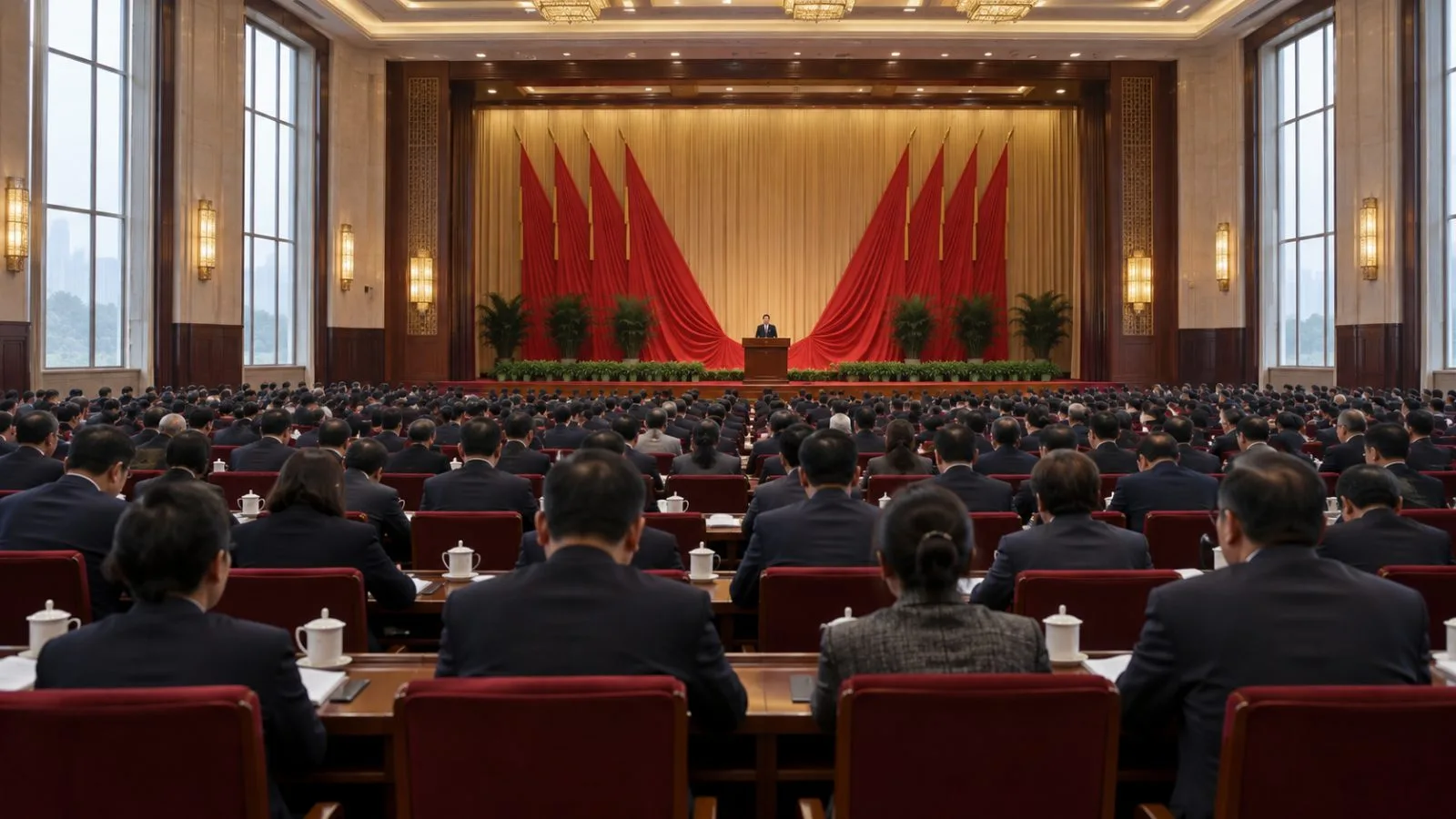
At the anniversary ceremony, Xi stressed Party leadership, conviction, independence, seeking truth from facts and popular support. He also connected the march to Chinese modernization and national rejuvenation. “Only by remembering history can we create a brighter future,” Xi said.
Xinhua’s English account of Xi’s speech dates the Long March from October 1934 to October 1936. It reports that the march crossed more than 10 provinces and covered as far as 12,500 kilometers, with Red Army forces pursued by more than 1 million enemy troops.
Mahoney argues that the campaign showed why political ideas must be applied to China’s conditions. He extends that interpretation to current policy questions and summarizes the challenge this way: “The present is the climb.”