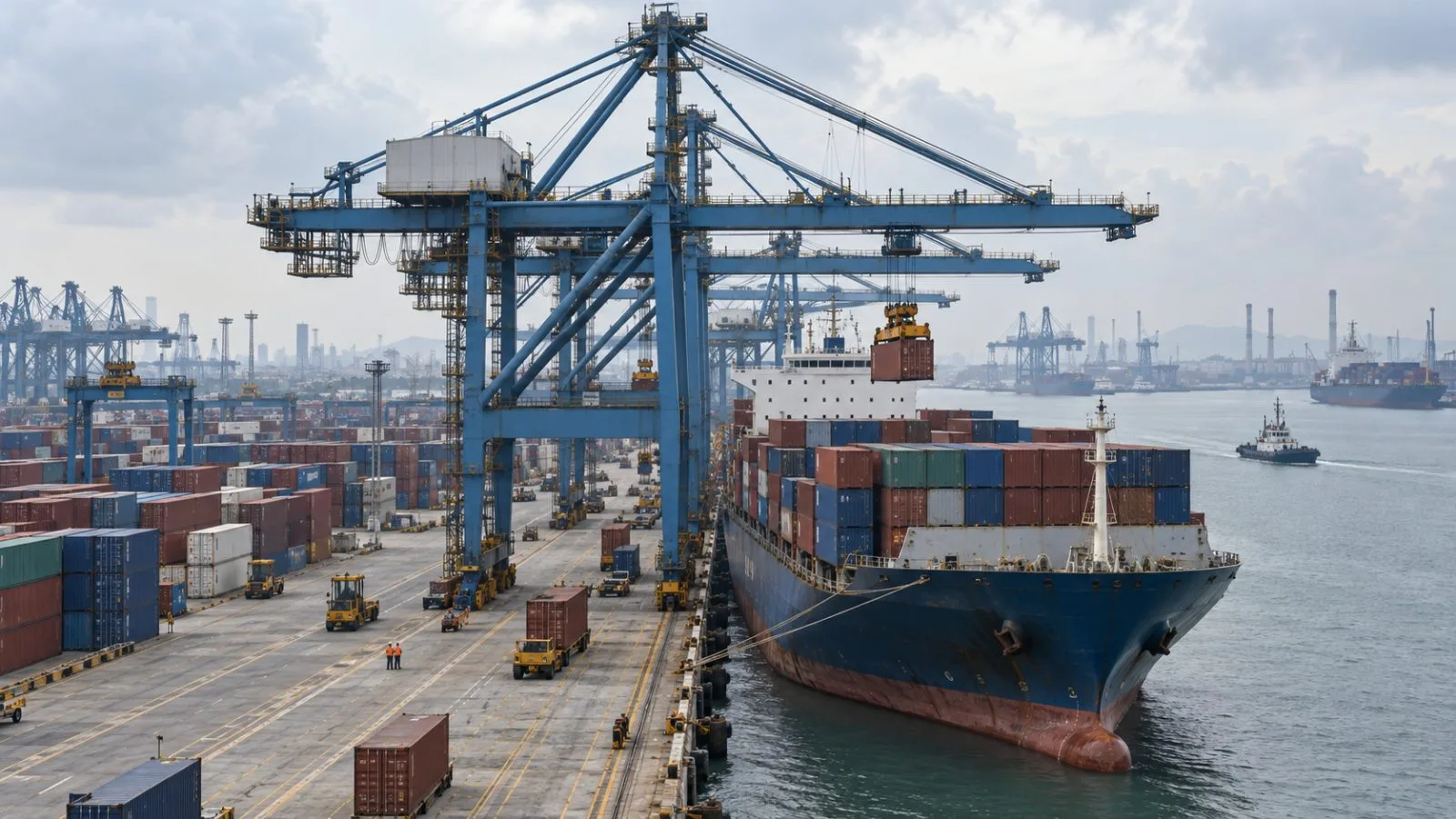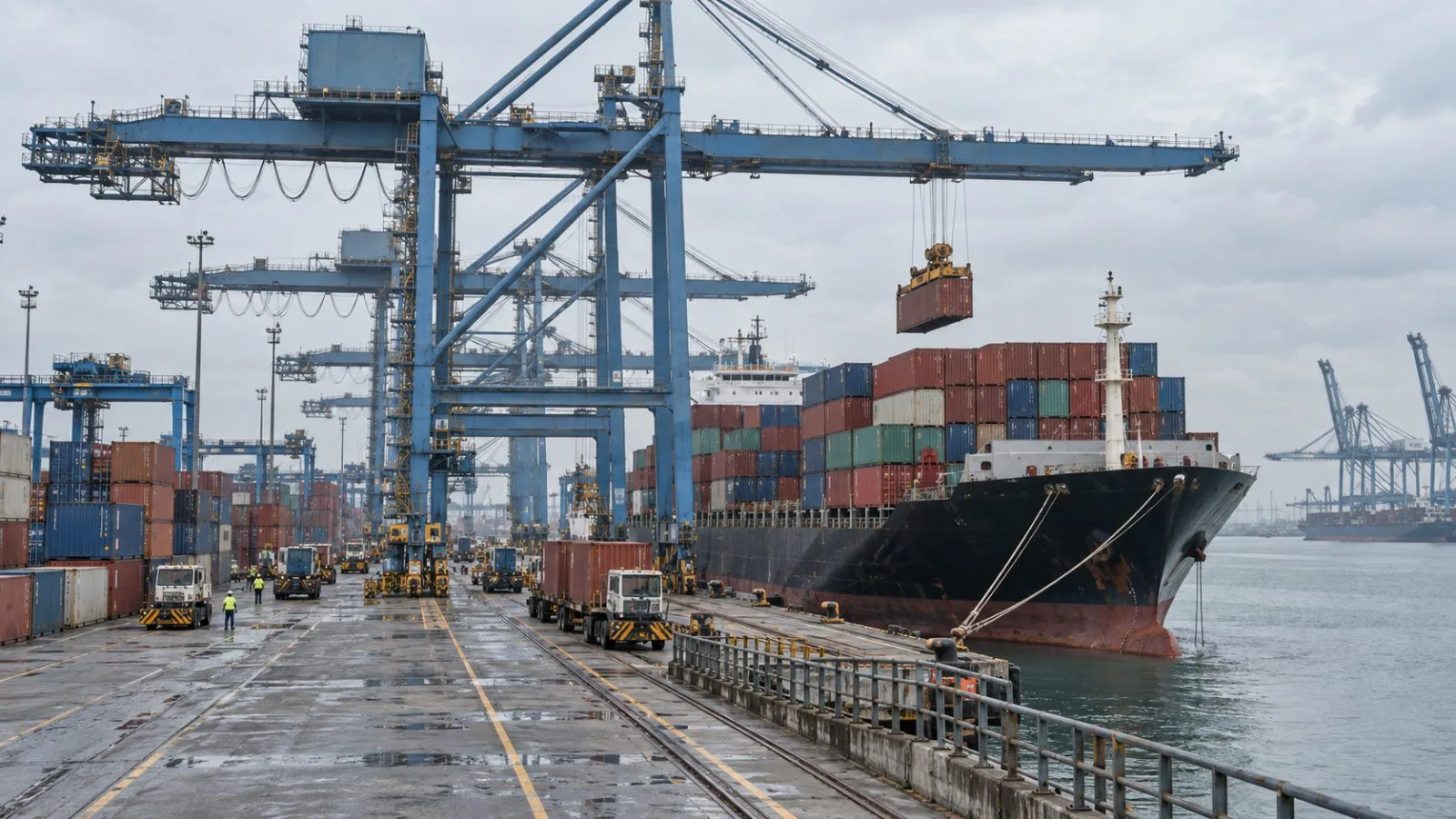
Malaysia’s trade surplus reached RM33.7 billion in September, while FXStreet reported that Oversea-Chinese Banking Corporation (OCBC) analyst Christopher Wong viewed export-earnings conversion and broader U.S. dollar movements as factors in the ringgit’s outlook.
The Department of Statistics Malaysia (DOSM) said exports rose 54.5% from a year earlier to RM215.1 billion. Imports advanced 52.7% to RM181.4 billion, leaving the surplus 64.9% higher than in September 2025. Electrical and electronic products accounted for RM45.1 billion of the export increase. Domestic exports climbed 54.7% to RM162.0 billion, while re-exports rose 53.7% to RM53.1 billion.
The monthly surplus extended a run that began in May 2020, marking Malaysia’s 77th consecutive month with a surplus. For January through September, the cumulative surplus reached RM232.4 billion, up 115.7% year over year, DOSM said. The ongoing trade trend is also covered in EconoTimes’ earlier report on Malaysia’s September trade figures.
DOSM put September headline inflation at 1.8% year over year, down from 1.9% in August. Core inflation remained at 1.7% year over year. Housing and utilities inflation eased to 1.4% from 2.1%; the department said the decline partly reflected expanded electricity-bill protections for some users in Peninsular Malaysia and a Sarawak discount covering about 714,000 households.
In its Oct. 26 account, FXStreet said Wong saw little movement in the ringgit during the previous week amid renewed regional foreign-exchange volatility. He retained a constructive view but said broad dollar trends and investor risk appetite could also shape the currency’s near-term direction.
Bank Negara Malaysia (BNM) lists its next Monetary Policy Committee decision for Nov. 5. Its overnight policy rate was 2.75% as of Sept. 3.