WASHINGTON — A nationwide aviation ground stop and other technology disruptions are testing the reliability of interconnected U.S. systems, while officials say the incidents were separate failures rather than a coordinated cyberattack.
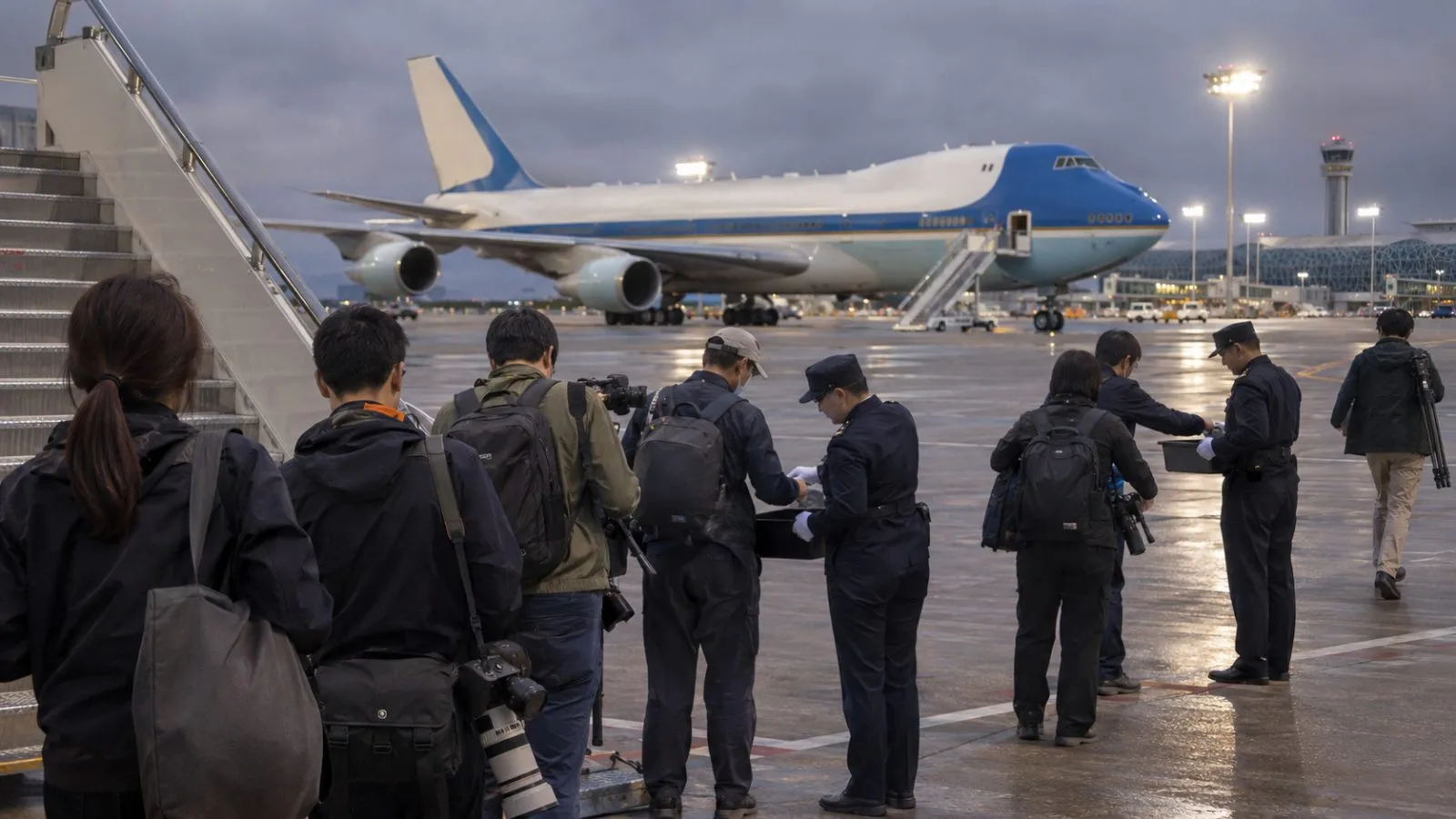
The Federal Aviation Administration said a technical problem began around 3:30 p.m. ET on Nov. 13, prompting a nationwide ground stop. Instability reached 17 of the agency’s 22 Air Route Traffic Control Centers, and about 12,462 flights were canceled, including 9,082 by major airlines. Air traffic resumed at 8:15 p.m. ET.
The FAA said older telecommunications equipment became unstable after its network received roughly 1,000 connection attempts every four to five seconds. Investigators identified potential sources at a radar site in Amarillo, Texas, and a radio communications site in El Dorado, Arkansas, where a router deployment was underway. The agency said it found no indication of a cyberattack or outside malicious actor and disabled more than 60 additional Juniper routers as a precaution.
Some communications and radar feeds remained available during the ground stop, and established safety procedures were used, the FAA said.
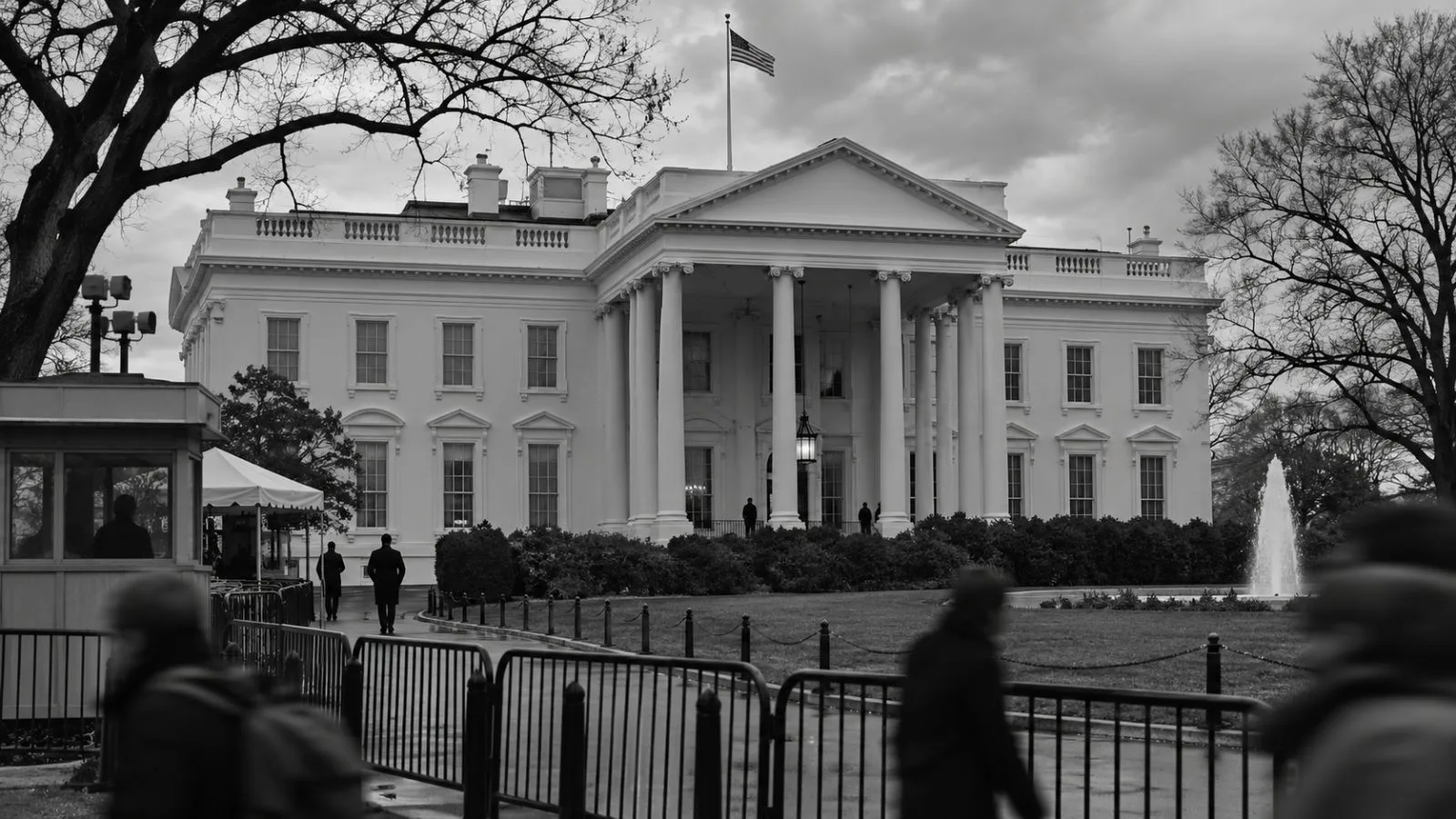
The White House said Nov. 18 that recent outages showed no indication of a coordinated cyberattack, state-sponsored activity or a malign actor. Director of National Intelligence Jay Clayton said organizations were taking systems offline to patch vulnerabilities, but some did not restart properly when control shifted between connected systems.
“This is not a cyberattack, and this is not a coordinated effort by a nation state,” Clayton said in the White House statement. National Security Adviser Marco Rubio said officials had “zero evidence” tying the incidents to hackers, criminals or a foreign government. President Donald Trump said in a Nov. 19 White House summary of a Fox News interview that the outages were “individual events.”
Al Jazeera reported that disruptions over the past week also affected services involving major banks, Microsoft, Workday and Apple, along with an internal network used by a U.S. government surveillance agency. The outlet quoted Georgetown University lecturer Danny Atherton as saying he was most concerned about essential services, while MIT FutureTech researcher Peter Slattery said artificial intelligence was becoming useful for hacking and other tools. The FAA and White House statements did not link these outages to AI.
The fiscal 2027 U.S. government budget document proposes cutting Cybersecurity and Infrastructure Security Agency programs by $707 million and redirecting the agency toward federal network defense and critical-infrastructure resilience. The proposal still requires congressional action.
Separately, the Federal Bureau of Investigation said North Korea stole more than $6 billion in virtual assets from Binance on or about Oct. 29. The FBI attributed that theft to North Korea but did not say artificial intelligence caused it.