


 Moderna Wins FDA Approval for mFLUSIVA mRNA Flu Vaccine for Adults 50+
  Sanofi, Regeneron Expand Drug Partnership in $8 Billion Deal
  Novartis Shares Plunge After Muscle Drug Fails Phase III Trial
  US-Backed Pediatric HIV Treatment Drops After Foreign Aid Changes, Study Finds
  AstraZeneca Halts Phase III Volrustomig Lung Cancer Trial After Efficacy Setback
  U.S. Issues Cuba Health Alert as Illnesses Rise
  Trump Administration Bars U.S. Travelers From Congo Flights Amid Ebola Outbreak
  3 clinical-grade skincare creams you really shouldn’t buy online
  New York Declares Measles Disaster Emergency as Cases Surge
  Novo Nordisk Eyes Turnaround as Oral Wegovy Challenges Eli Lilly in Weight-Loss Drug Race
  Trump Signs Order to Cut Routine Childhood Vaccines
  SK Biopharmaceuticals Secures Global Rights to Biohaven Epilepsy Drug Opakalim
  HUTCHMED, AstraZeneca Seek FDA Approval for Lung Cancer Combo
  Novo Nordisk Raises 2025 Outlook Despite Wegovy Pill Miss and CagriSema Setback
  Hanmi Pharm Soars 30% on $2.3 Billion Genentech Obesity Drug Deal


 Add as a preferred source on Google
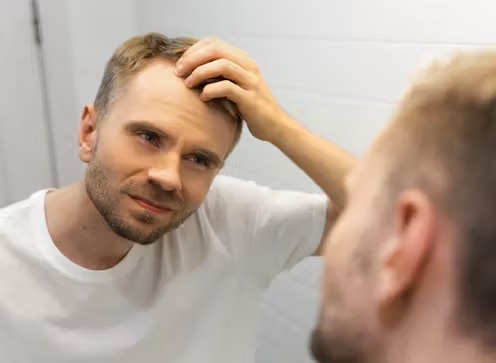


Male pattern baldness, or hereditary hair loss, has not always been taken seriously. Celebrity hair loss and transplants are greeted with fascinated amusement while, in popular media, bald men have often been absent, mocked or maligned.
The everyday lives of ordinary balding men are often punctuated by comments, jokes and an expectation to laugh along.
Hereditary hair loss can occur any time after puberty and two thirds of men are affected by the time they’re 60. Social pressures and beauty ideals prompt many to turn to the multi-billion dollar hair loss industry, amid moves to medicalise baldness. But studies that examine the detail of men’s experiences of going bald remain sparse.
Our Journeys of Hair Loss research involved in-depth interviews with 34 men of different ages and backgrounds. It highlights why the challenges balding men can face should be taken seriously — and not only by those seeking to profit from them.
Negative emotions
Experiences varied among the men we interviewed, but it was clear that most felt hair loss had been negative overall, and many described moments or periods of emotional struggle.
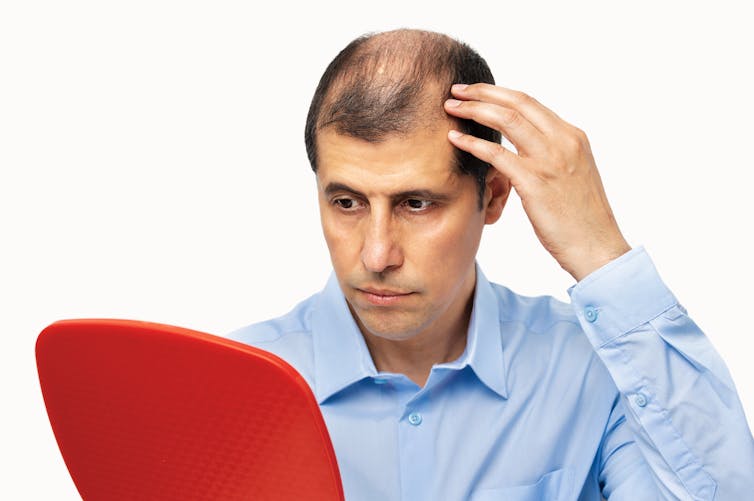
Most interviewees felt hair loss had been negative experience overall. cunaplus/Shutterstock
Balding could often be accompanied by a sense of loss, or the development of social anxieties. The process could be particularly challenging for younger men, those who were single, those experiencing other life struggles, or those connected to cultures that placed high value on appearance and grooming, including some gay participants.
Sometimes, attempts to hide hair loss came to dominate everyday life. Constant adjusting of hair, avoiding being viewed from particular angles, and careful negotiating of weather and lighting conditions could be accompanied by ever present worry. As Nick* explained:
If it’s windy, I’m thinking I need to have a look … I’ve not looked at my hair for a little while, is there a mirror? It’s something I’m looking at more and more.
Hair loss treatment
Encounters with the hair loss industry were mixed. Some pointed towards the hope or relief that medical treatments, such as finasteride or hair transplants, could provide. Many, though, regarded this level of intervention as unfeasible, or undesirable.
Topical treatments such as oils and caffeinated shampoos were more commonly tried, but many struggled with cycles of false hope. Ishaan* said he was “fooling himself” into thinking it was actually helping" and that checking for results “becomes obsessive because you want to see a difference”.
Advertising for treatments could also contribute to anxiety, particularly where men found themselves repeatedly targeted by algorithmic ads. Awareness about baldness and treatments varied strikingly, with reliable, non-commercial information sometimes difficult to find.
Talk and humour
“Serious” talk with others about the emotional challenges of hair loss was unusual. This may partly have reflected longstanding masculine difficulties with opening up about struggles. However, some men conveyed a more specific sense that baldness was not a legitimate subject for seeking support.
Marcus* explained how baldness struggles “are not a thing we are open about”, noting that “if somebody was to talk about depressive thoughts, anxiety, self-harm, these are all things that are accepted…but I’d never lump baldness into that”.
Interaction with others about hair loss, then, more often took the form of jokes and teasing. Some welcomed how jokes could bring their hair loss into the open, and even made self-depreciating jokes themselves. Others, though, found jokes hurtful, or felt under pressure to laugh at themselves.
Bald men can receive comments, nicknames or even unwanted physical attention.
Acceptance
Many men felt they had come to accept their hair loss over time, whether through gradual adjustment or dramatic moments of intervention. For some, shaving their head for the first time felt like a key moment where struggles or worries were brought under control.
David* was left wondering why he hadn’t taken the step earlier: “I remember seeing the results and I was like, why did I not do this five years ago? It was just relief.”
Acceptance of baldness often entailed genuine relief from struggles to live up to dominant beauty ideals, and could act as a form of resistance against the hair loss industry discourse and medicalisation. Acceptance often had limits, though; feelings could fluctuate and many noted that, were a cost-free “magic solution” to appear, they still might be tempted.
Moving forward, men experiencing hair loss would benefit from compassion, support and trustworthy information as they navigate competing social pressures. Taking their experiences seriously might offer a valuable starting point.







