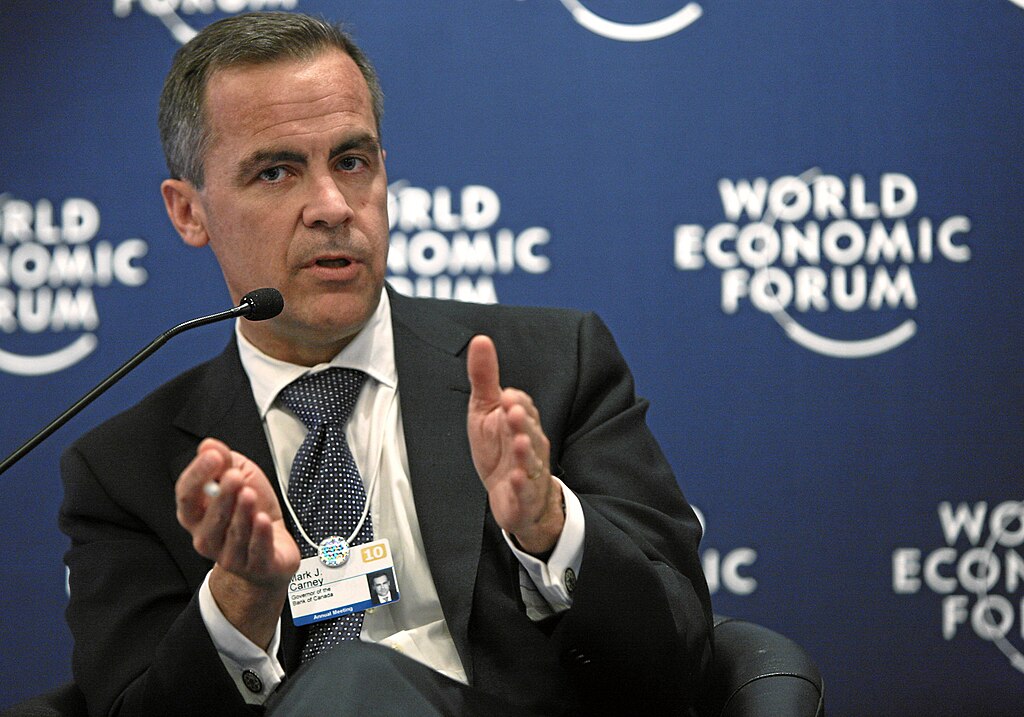
Mark Carney, a seasoned banker and crisis manager, is set to become Canada’s next prime minister, succeeding Justin Trudeau. The Liberal Party nominated Carney after Trudeau’s resignation in January following nearly a decade in office. A political outsider with no legislative or cabinet experience, Carney’s background as a former central banker made him a strong candidate to tackle the economic challenges posed by Donald Trump’s tariffs.
Born in Fort Smith, Northwest Territories, Carney attended Harvard and later built a global financial career. He spent 13 years at Goldman Sachs before becoming deputy governor of the Bank of Canada in 2003. As governor in 2008, he managed the global financial crisis with emergency loan measures and clear interest rate guidance. His expertise led the Bank of England to recruit him in 2013, making him the first non-British governor in its 300-year history. He navigated Brexit turmoil but faced criticism for warning about its economic risks.
Carney also served as a U.N. finance and climate envoy and chaired the Bloomberg board before launching his political bid in January. His campaign highlights his crisis management skills, emphasizing a strong stance on retaliatory tariffs and diversifying trade. However, his political inexperience has led to scrutiny, particularly over Brookfield Asset Management’s move to the U.S. while he was involved.
With an election required by October 20, Carney will compete against Conservative leader Pierre Poilievre, a career politician with limited global experience. As Canada faces economic uncertainty, Carney’s leadership will be tested in managing trade disputes and financial stability.